A single misplaced roll-off container can drain 15% of a crew's daily productivity just through increased foot traffic and redundant debris handling. You already know that a cluttered job site is both dangerous and expensive. It's frustrating when unexpected weight overages or delivery delays stall your progress. By following these best practices for Book Your Dumpster USA, you'll master the logistics of roll-off rentals to eliminate surprise fees and protect your property from damage. We've modernized the process so you don't have to guess which cubic yardage fits your project or worry about when the truck will arrive. This 2026 efficiency guide provides professional strategies to secure 100% transparent pricing and ensure your next pickup happens exactly on schedule. Book your dumpster with confidence and keep your project moving forward. We'll break down the exact steps to transition from a state of clutter to a clean, resolved site with minimal cognitive load.
Key Takeaways
- Plan your project timeline strategically to prevent common logistical delays and avoid unexpected overage charges.
- Select the optimal container size for your specific debris volume to avoid the expensive "under-sizing" trap and eliminate double-hauling fees.
- Implement the best practices for Book Your Dumpster USA by ensuring 60 feet of approach space and using driveway protection to maintain a safe job site.
- Master weight limits and identify prohibited materials, such as hazardous chemicals and tires, to ensure a safe, violation-free pickup.
- Streamline your waste management through our transparent digital portal to secure instant pricing and confirm precise delivery instructions.
Essential Best Practices for Your Dumpster Rental Project
Effective waste management is the backbone of any successful construction or cleanup job. The best practices for Book Your Dumpster USA center on the intersection of safety, cost-efficiency, and regulatory compliance. If you ignore these pillars, your project costs will climb. Planning ahead prevents the two biggest project killers: logistics delays and weight overages. Successful managers adopt a "Problem-Solution-Action" mindset. You have debris; we have the container; you book the service. This streamlined approach defines the 2026 standard for transparent Roll-off (dumpster) logistics, ensuring your site remains clear and your budget stays intact.
Why Efficiency Matters in Waste Management
A poorly managed dumpster can stall a $50,000 home renovation for 72 hours or more. If a container is overfilled or placed incorrectly, subcontractors often can't unload new materials, causing a total site shutdown. Efficiency also impacts the environment. Proper debris sorting can divert up to 40 percent of waste from landfills, depending on local recycling facilities. This level of organization links directly to the "no hidden fees" promise at Book Your Dumpster. When you manage your waste efficiently, you avoid the contamination penalties and trip fees that plague unorganized projects. You save money by being precise.
Setting Your Project Timeline
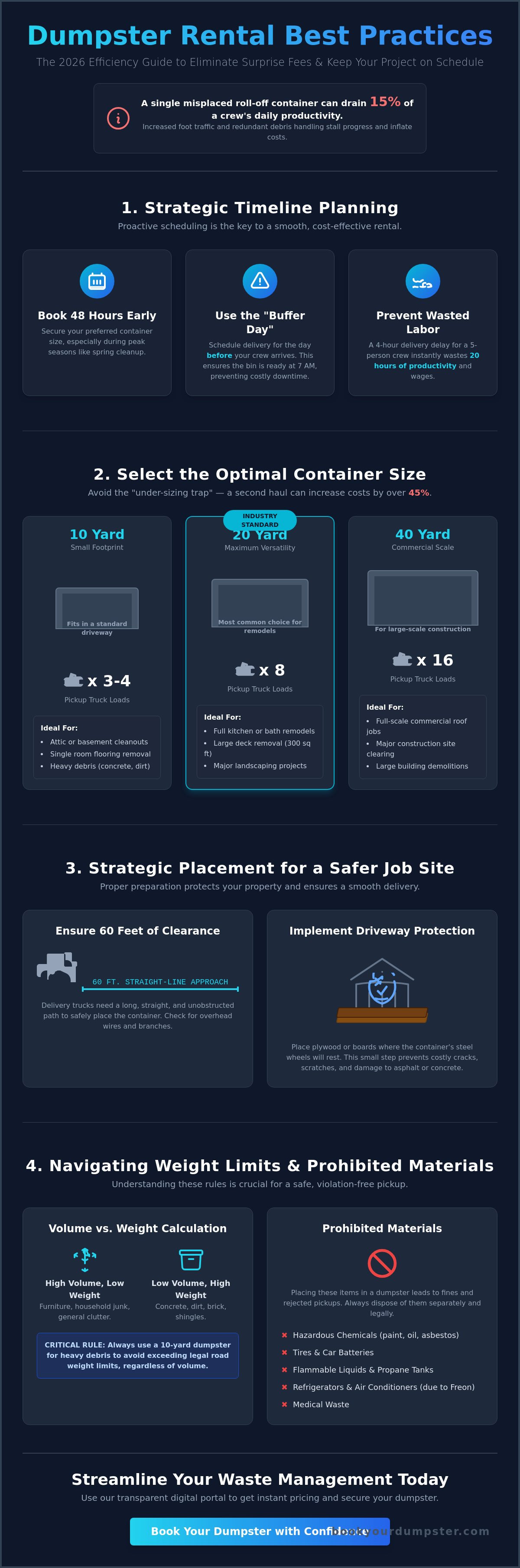
Timing is everything in logistics. Book your dumpster at least 48 hours in advance to guarantee we have your preferred size in stock. High-demand periods, like the spring cleanup season starting in March, often see inventory fluctuate. Use the "buffer day" strategy for maximum reliability. Schedule your delivery for the day before your main labor crew arrives. This ensures the bin is ready for the first piece of debris at 7:00 AM. Coordinating your crew with the dumpster arrival prevents wasted labor costs. If a 5-person crew waits 4 hours for a delivery, you lose 20 hours of productivity instantly. Follow these steps to keep your project moving:
- Book 48 hours early: Secure the 10, 20, or 30-yard bin you actually need.
- Schedule a buffer day: Avoid paying workers to wait for a delivery truck.
- Confirm placement: Mark the drop-off spot with cones to ensure the driver places the bin correctly the first time.
Adhering to these best practices for Book Your Dumpster USA keeps your site professional and your timeline on track. Don't leave your waste strategy to chance. Plan the delivery, manage the load, and schedule the pickup as soon as the job is done. This proactive approach removes logistical stress and keeps your focus on the actual work.
Selecting the Right Container Size to Maximize Value
Choosing the wrong size wastes money. Period. One of the best practices for Book Your Dumpster USA involves matching your debris volume to the container capacity before the truck arrives. If you underestimate your needs, you fall into the under-sizing trap. This leads to double-hauling costs where you pay for two trips instead of one efficient drop-off. Most users find that a second haul can increase total disposal expenses by 45% or more.
Visualize your waste in terms of pickup truck beds. A 10-yard dumpster holds roughly 3 to 4 pickup truck loads. A 20-yard container holds 8 loads, while a 40-yard beast handles 16. If your pile looks like it will fill more than 4 trucks, skip the small bin. A 20 yard dumpster is the industry standard for versatility. It is the ideal choice for kitchen remodels, basement cleanouts, or removing a 300-square-foot deck. Applying these best practices for Book Your Dumpster USA ensures your project stays on schedule without unexpected rental extensions.
Residential vs. Commercial Sizing Needs
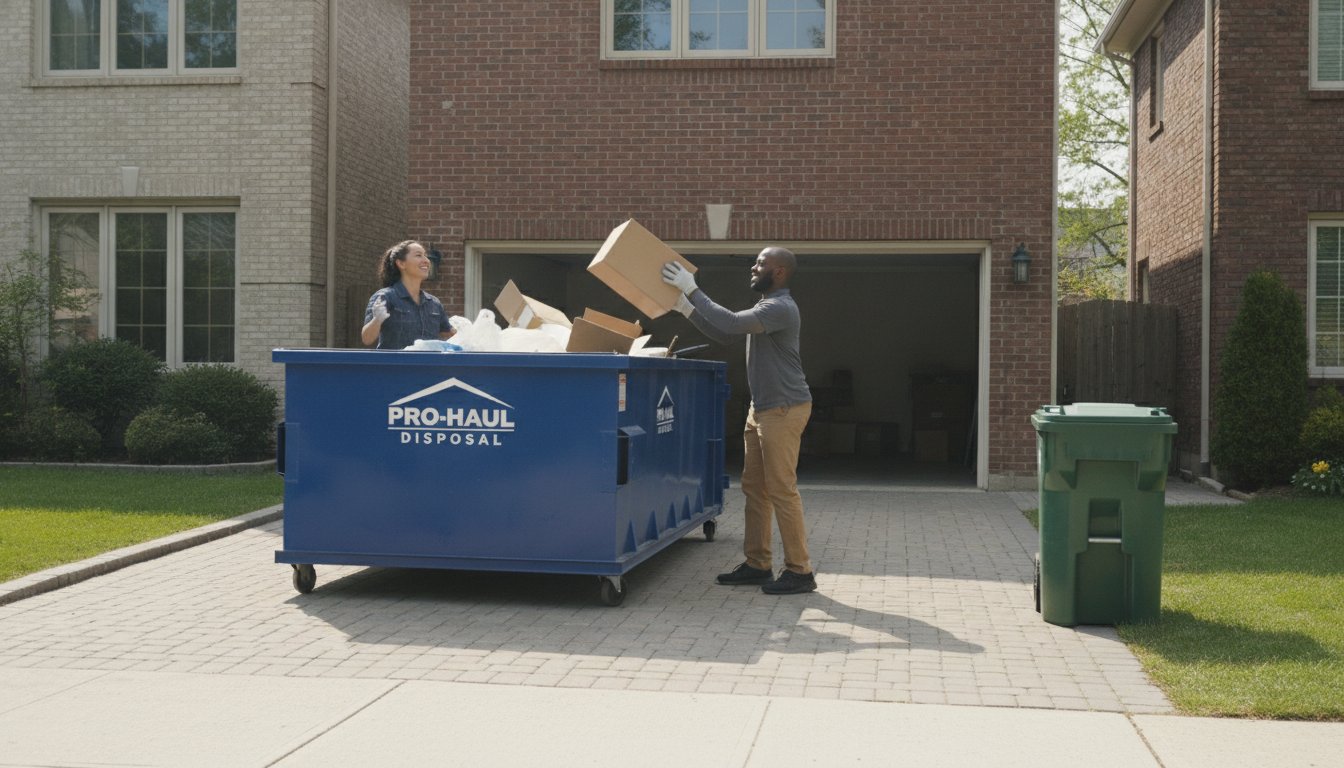
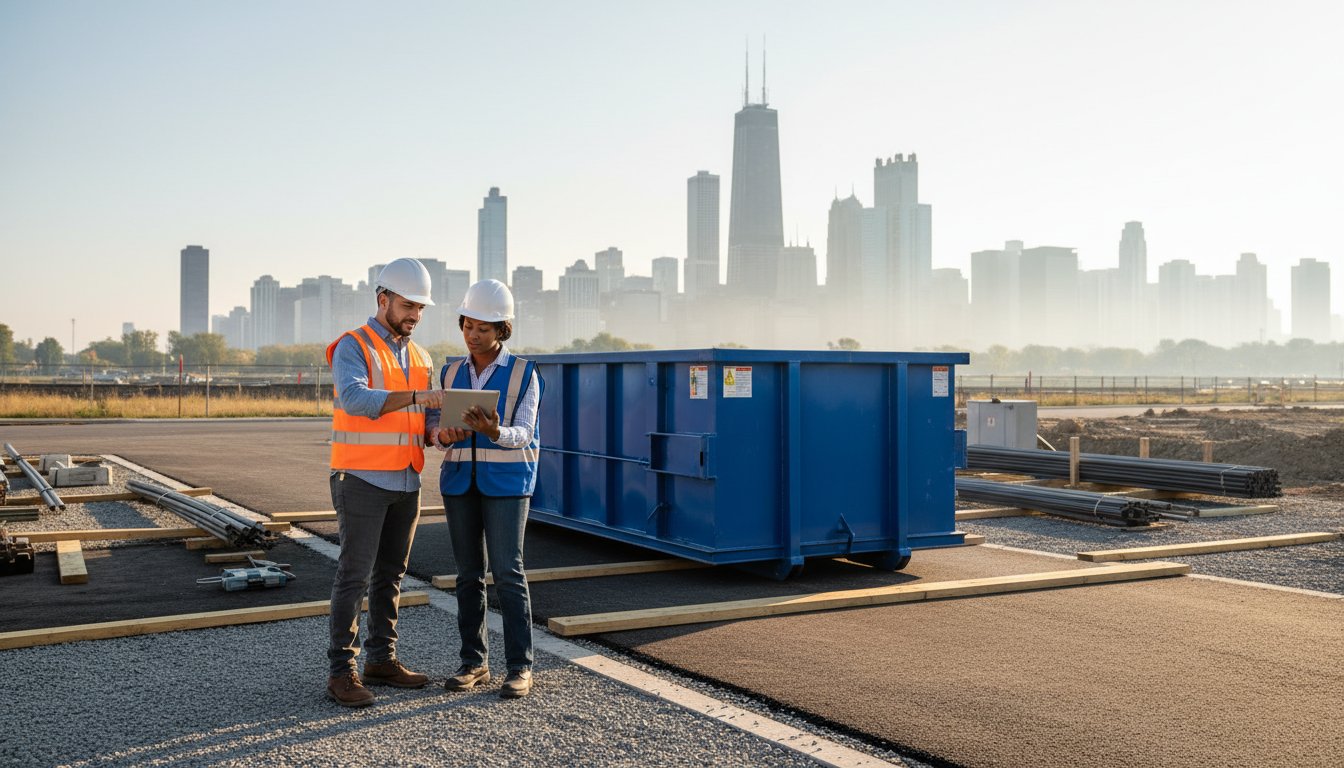
Small home projects require a compact footprint. For attic purges or single-room flooring removals, a 10 yard dumpster rental is the most efficient choice. It fits easily in a standard driveway, leaving room for your personal vehicle. Commercial projects demand more scale. Site clearing or full-scale roof replacements for buildings over 3,000 square feet require 30 or 40-yard options. These larger bins stand up to 8 feet tall. Always confirm your lot has 60 feet of straight-line clearance for the delivery truck to operate safely.
The 'Volume vs. Weight' Calculation
Volume and weight are not the same. Furniture and household junk are high-volume but low-weight. Conversely, materials like dirt, brick, and concrete are heavy and dense. You must use a 10-yard dumpster for heavy debris to avoid exceeding legal road weight limits. A 40-yard bin filled with concrete is impossible to lift and violates safety protocols. Following OSHA waste material disposal regulations keeps your job site compliant and prevents equipment failure during the haul-away process.
- 10-Yard: 2 tons capacity; best for concrete or small garage cleanouts.
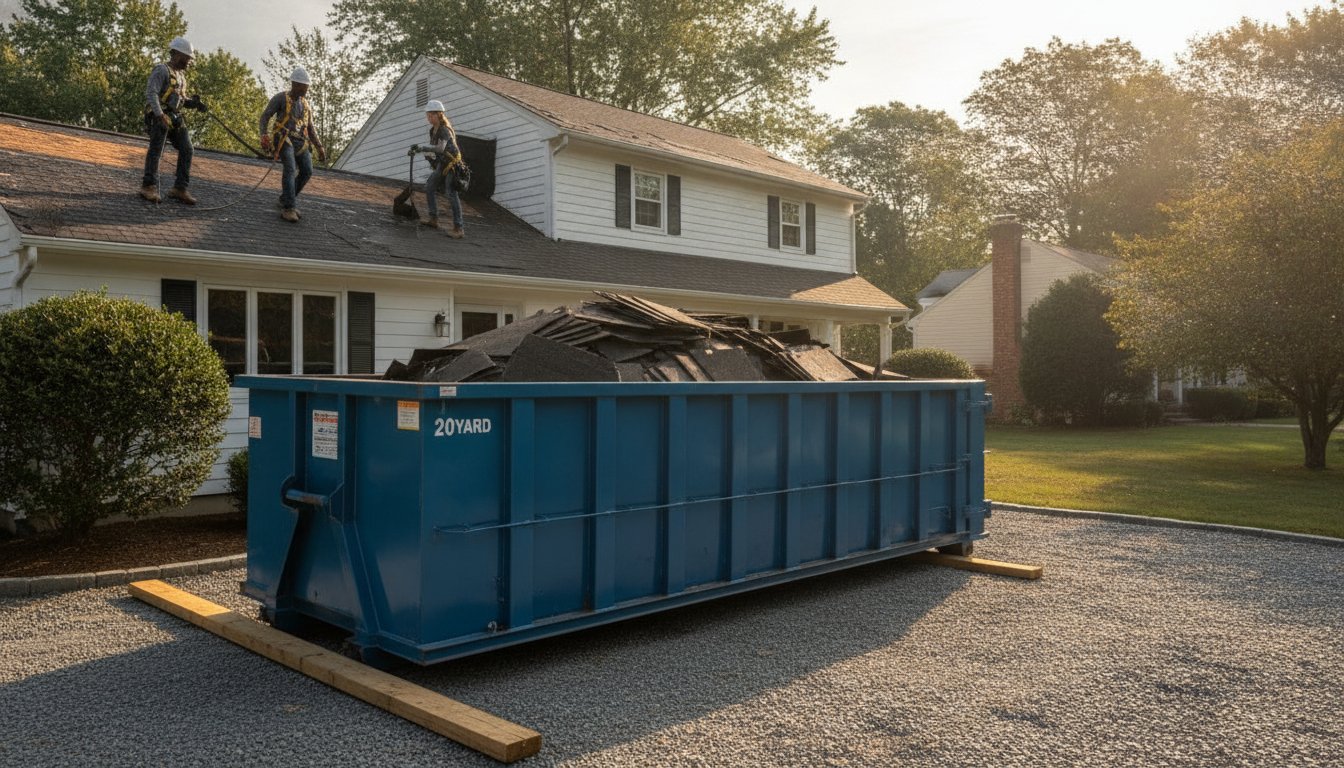
- 20-Yard: 3 tons capacity; best for roofing and remodeling.
- 30-Yard: 4 tons capacity; best for large home additions.
- 40-Yard: 5-6 tons capacity; best for commercial demolition.
Don't let your project stall because of a capacity error. If you're stuck between two sizes, choose the larger container to save on potential overage fees and secondary hauls.
Strategic Placement and Loading for a Safer Job Site
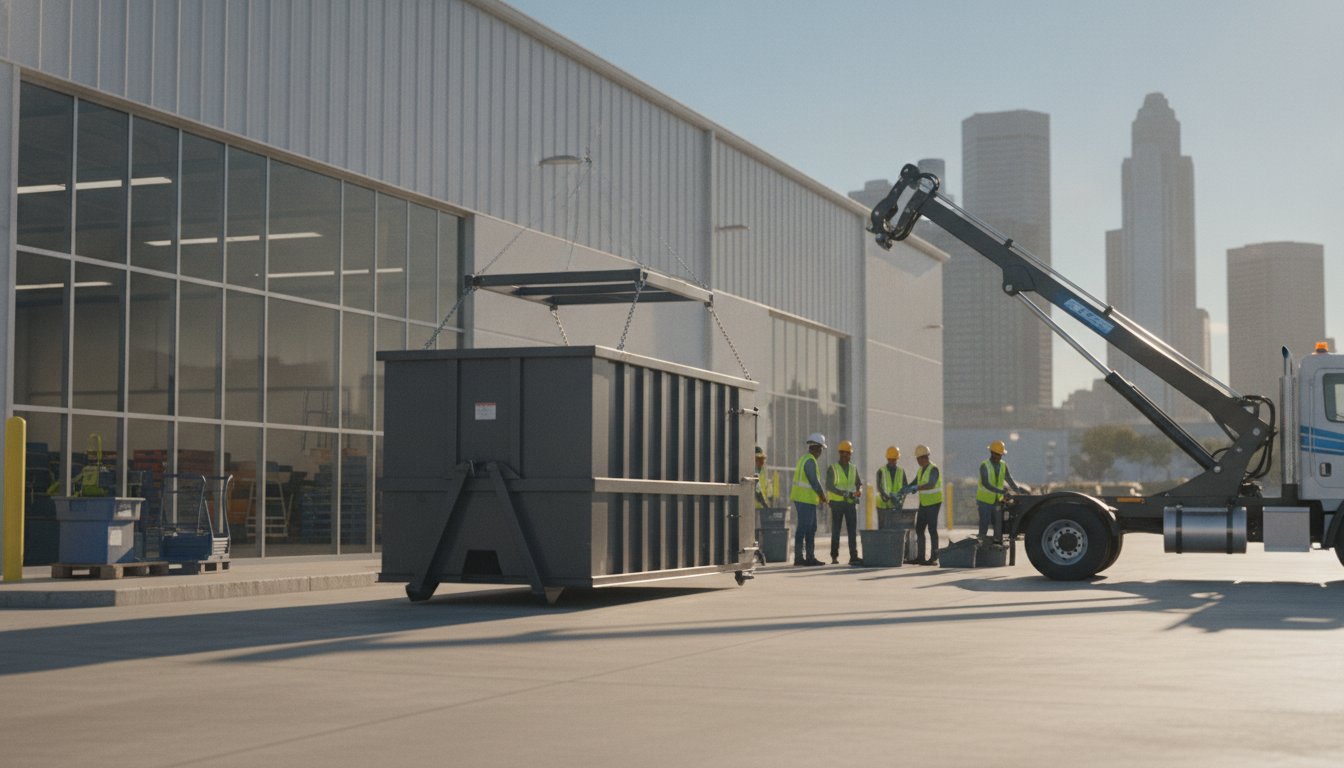
Efficiency starts before the truck arrives. Following Best practices for Book Your Dumpster USA ensures your project remains on schedule and your property stays intact. Prepare a clear delivery path by ensuring the site has 22 feet of vertical clearance to lift the hoist and 60 feet of straight approach space for the truck to maneuver. Clear all vehicles, equipment, and debris from this zone to avoid delivery delays.
Surface Preparation and Protection
Don't let a heavy container damage your driveway or yard. A standard 20-yard dumpster weighs approximately 4 tons empty, and it can exceed 10 tons once loaded with construction debris. Placing this weight on 'soft ground' or uncompacted soil leads to sinking and property damage. Identify a flat, hard surface for the drop-off.
Create a 'safe drop zone' using 3/4-inch plywood sheets or 2x4 boards. Place these materials exactly where the dumpster wheels will land to distribute the pressure and prevent asphalt cracking. Always scan the area for overhead obstructions. Maintain a 10-foot safety buffer from power lines and trim back any low-hanging tree branches. This preparation protects both the driver and your infrastructure during the drop-off and pickup phases.
The 'Tetris' Method of Loading Debris
Maximize every cubic yard of your rental by using a strategic loading technique. Adhering to Best practices for Book Your Dumpster USA regarding weight distribution prevents safety hazards during transport. Use the swinging door feature for heavy items instead of lifting them over the side. This allows you to walk large objects directly into the unit, saving your back and optimizing space.
- Load heavy items first: Place concrete chunks, old appliances, or large furniture at the bottom to create a stable base.
- Eliminate air pockets: Break down bulky items like cabinets or boxes. Voids in the load can waste up to 25% of your total container capacity.
- Level the load: Keep all debris flush with the top of the container. Never 'mountain' the load or allow items to hang over the sides.
- Distribute weight: Ensure the weight is balanced from left to right and front to back to keep the truck stable during pickup.
If your load extends above the rim, the driver cannot safely tarp the container. This leads to dry-run fees or requires you to offload material before the truck can depart. For a seamless waste management experience, Book your dumpster today and plan your loading strategy before the container arrives. Taking ten minutes to prep the site saves hours of logistical headaches later.
Navigating Weight Limits and Prohibited Materials
Respecting the fill line is a non-negotiable safety requirement for every project. When debris rises above the top rail of the container, it becomes a hazard for the driver and other motorists. Drivers cannot legally transport a bin if the load prevents the safety tarp from laying flat. If your dumpster is overfilled, you must remove the excess material before the haul can proceed. Following the best practices for Book Your Dumpster USA ensures your project stays on schedule and avoids these avoidable site delays.
Mixing different types of waste often leads to unexpected financial penalties. Landfills categorize loads as "clean" or "contaminated." For example, a bin filled strictly with concrete is processed differently than a mixed load of household junk and renovation debris. In 2024, regional disposal facilities increased sorting surcharges by 15% for contaminated bins. Keep your heavy materials like dirt, brick, or concrete separate from general trash to maintain the lowest possible disposal rates. Book Your Dumpster USA provides clear weight limits upfront to ensure you have the right capacity for your specific debris type.
Commonly Prohibited Items to Keep Out
Certain materials require specialized disposal and cannot go into a standard roll-off container. Hazardous waste poses environmental risks and remains strictly prohibited. This category includes:
- Liquid Waste: Wet paint, motor oils, and flammable liquids like gasoline or propane.
- Automotive Parts: Tires and lead-acid batteries are banned from most landfills.
- E-Waste: Many states now enforce strict rules for televisions, computer monitors, and printers.
Mattresses and appliances containing freon often require a per-item fee depending on your local municipal regulations. If you have these items, contact a local recycling center or a dedicated hazardous waste drop-off site. Keeping these out of your bin is one of the best practices for Book Your Dumpster USA to avoid rejection at the scale.
Managing Weight Overages
Landfills calculate disposal costs based on tonnage, which is the weight of your waste measured in units of 2,000 pounds. When the truck arrives at the facility, it's weighed on a certified scale to determine the exact mass of your debris. Overage fees are a pass-through cost from the landfill that apply only if the weight of your material exceeds the limit included in your initial rental agreement.
To avoid these charges, protect your bin from the elements. A heavy rainstorm can add significant "water weight" to porous materials like drywall or carpeting. Use a heavy-duty tarp to cover the dumpster during storms to keep the contents dry. This simple step prevents you from paying landfill fees for rainwater. When you are ready to clear your site, book your dumpster and select the weight capacity that matches your project's scale.
The Book Your Dumpster USA Process: Best Practices for Instant Booking
Efficiency in waste management relies on precision and timing. Following the best practices for Book Your Dumpster USA ensures your project remains on schedule while eliminating the risk of unexpected costs. Our 2026 digital platform utilizes real-time data to provide immediate price transparency. This removes the guesswork often found in traditional waste hauling. By using the digital portal, you lock in rates and secure your equipment in under five minutes. This speed is critical for construction debris removal where logistics delays can cost contractors significant labor expenses every hour.
Reliability comes from clear, documented communication. Confirm your delivery instructions through the portal to avoid placement errors on-site. Specify exactly where the roll-off should sit. Use landmarks or distances from permanent structures to guide the driver. Our on-time delivery guarantee is a core component of the service; it ensures your dumpster arrives within the scheduled window. If your project needs change, don't wait on a phone queue. Message our team directly through the platform for hassle-free scheduling adjustments. This direct line of communication keeps your workflow moving without the friction of traditional customer service channels.
The 3-Step Online Booking Best Practice
Successful booking starts with accurate data. First, input your project requirements to generate an instant, no-hidden-fee quote. Second, select your container size based on our 2026 capacity guide. This guide accounts for updated weight limits and volume standards for various materials. Third, schedule your drop-off. Always include specific placement notes in the digital form. These steps reduce the 15% of delivery delays typically caused by vague location data or blocked access points.
Ensuring a Smooth Pickup
Preparation prevents haul-away failures. Verify that the area around the dumpster is clear of vehicles, equipment, and debris at least 60 minutes before the scheduled window. Double-check the load level before the driver arrives. Debris must be flush with the top rail to meet DOT safety regulations. Use the instant notification feature to track your hauler's ETA in real-time. This 2026 update provides a 10-minute arrival alert, allowing you to move any final obstacles. Following these best practices for Book Your Dumpster USA guarantees a seamless transition from a full bin to a clean job site.
Streamline Your 2026 Waste Management Strategy
Efficient debris removal starts with a solid plan. By selecting the correct container size and following strategic loading protocols, you reduce site hazards and avoid unnecessary delays. These Best practices for Book Your Dumpster USA help you navigate strict local regulations and weight limits with professional confidence. Our national logistics expertise provides a local feel while maintaining the high-efficiency standards required for modern construction and renovation projects. You don't have to worry about surprise costs because we provide a no hidden fees guarantee along with reliable on-time delivery and pickup. It's about moving your project forward without the usual logistical headaches. Stop letting debris pile up and start your cleanup with a clear, actionable plan. Our digital platform is designed to handle the heavy lifting so you can focus on the work that matters most. Book your dumpster now with our transparent online system and get your job site back under control today.
Frequently Asked Questions
What is the best way to prevent damage to my driveway?
Place plywood or 2x4 planks under the wheels and front feet of the container to distribute its weight. This prevents the heavy steel from scratching or cracking your concrete or asphalt surface. Following these best practices for Book Your Dumpster USA ensures your property remains intact throughout the project. Make sure the drop-off area is level to prevent the unit from shifting during the loading process.
Can I move the dumpster once it has been delivered?
Don't attempt to move the dumpster once our driver sets it down on your property. These containers weigh several thousand pounds empty and can cause severe injury or property damage if moved without professional equipment. If you realize the placement is wrong, call us immediately to schedule a relocation service. Our specialized roll-off trucks are the only safe way to reposition a 10, 20, or 30-yard container.
How much weight can a 20-yard dumpster typically hold?
A 20-yard dumpster typically holds between 2 and 3 tons of debris, which equals 4,000 to 6,000 pounds. This capacity varies based on your specific rental agreement and local road weight limits. For context, 3 tons is roughly equivalent to the weight of 2 mid-sized SUVs. If you're loading heavy materials like concrete or dirt, you'll reach this weight limit before the container is physically full.
What happens if I fill the dumpster above the top rail?
Stop loading your dumpster once the debris reaches the top rail to ensure safe transport. Our drivers can't legally haul overfilled loads because loose items can fall out during transit, creating dangerous road hazards. If your load is above the rim, you must remove the excess before we can pick it up. This prevents safety violations and keeps your project on schedule without incurring extra trip fees.
Are there items that are always prohibited in Book Your Dumpster USA containers?
Hazardous materials like wet paint, car batteries, tires, and appliances containing Freon are strictly prohibited. These items require specialized disposal at 100% of certified waste facilities to prevent environmental contamination. Local regulations in 50 states mandate that flammable liquids and medical waste stay out of standard roll-off containers. Check our full list of restricted items before you start loading to avoid disposal penalties and environmental fines.
Do I need to be home for the delivery or pickup?
You don't need to be home for delivery or pickup if the drop-off area is clear of all obstructions. Ensure there are no parked cars, low-hanging branches, or locked gates blocking the path for our 30-foot trucks. Provide clear instructions during your online booking so the driver knows exactly where to place the unit. We'll handle the logistics while you focus on your project and your timeline.
How do I calculate if I need a 10-yard or a 20-yard dumpster?
Choose a 10-yard dumpster for small projects like a 250-square-foot deck removal or a single-room cleanout. If you're tackling a 3-bedroom house declutter or a 2,000-square-foot roof replacement, the 20-yard option is more efficient. A 20-yard container holds approximately 120 large trash bags. Following these best practices for Book Your Dumpster USA helps you avoid the cost and logistical delay of ordering a second rental.
What should I do if my dumpster is full before my project is finished?
Call us to schedule a swap-out if your container fills up before your work is done. We'll bring a fresh, empty dumpster and haul away the full one in a single trip to maintain your workflow. This ensures your crew doesn't lose momentum while waiting for a disposal solution. Most swap-out requests are fulfilled within 24 to 48 hours to keep your site productive, clean, and safe.