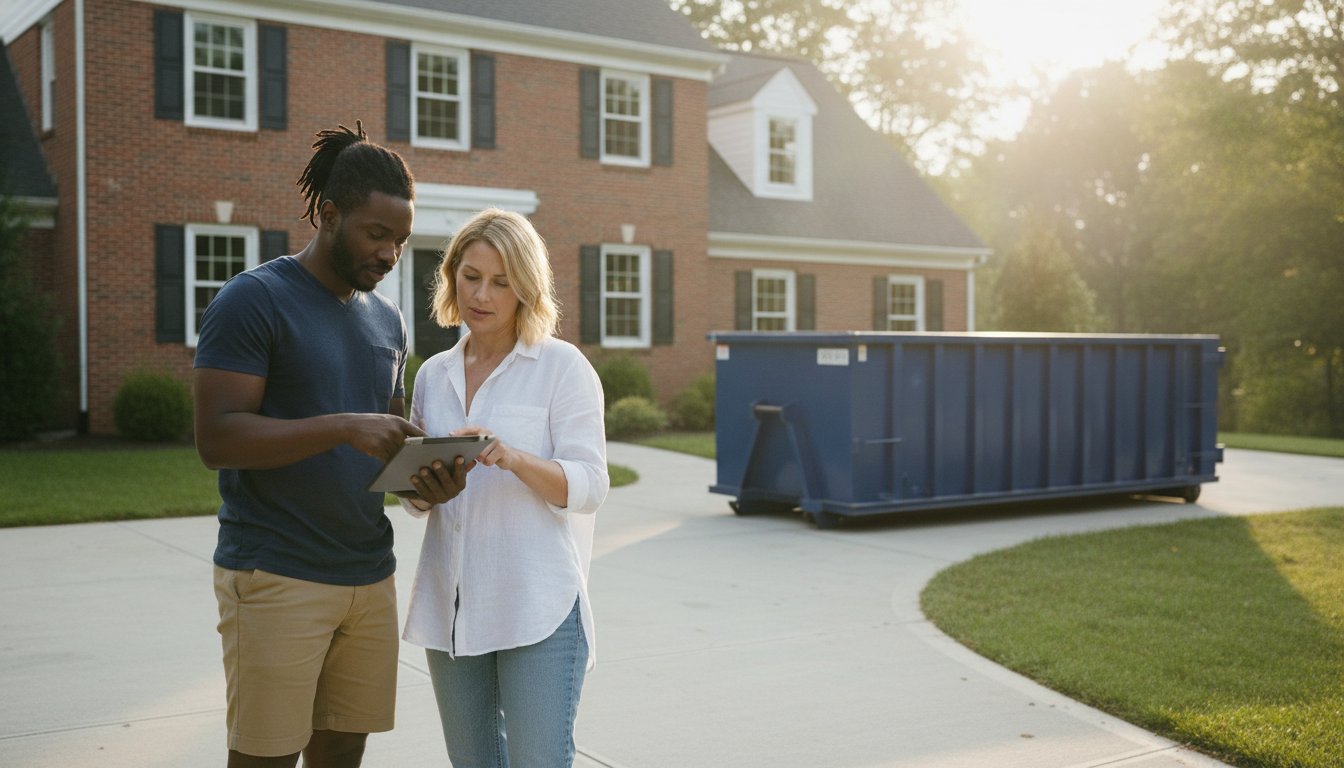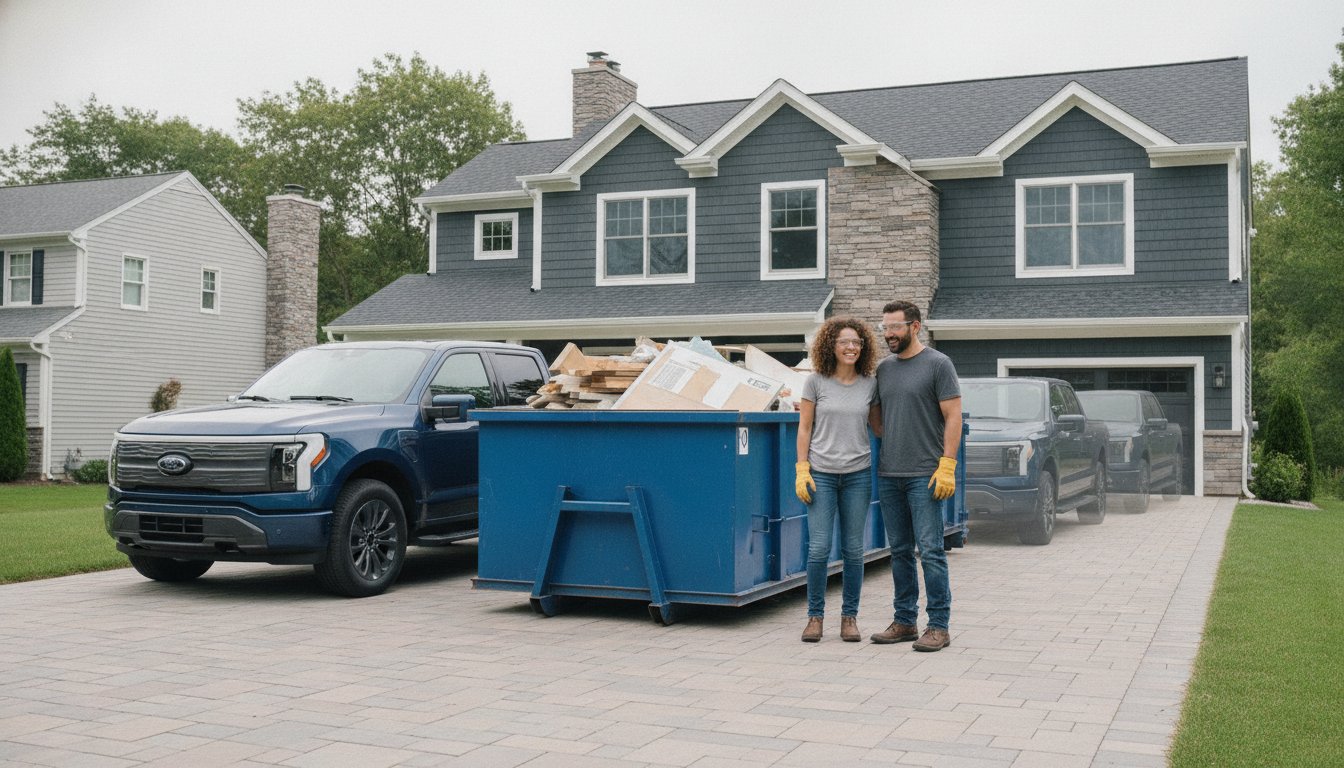
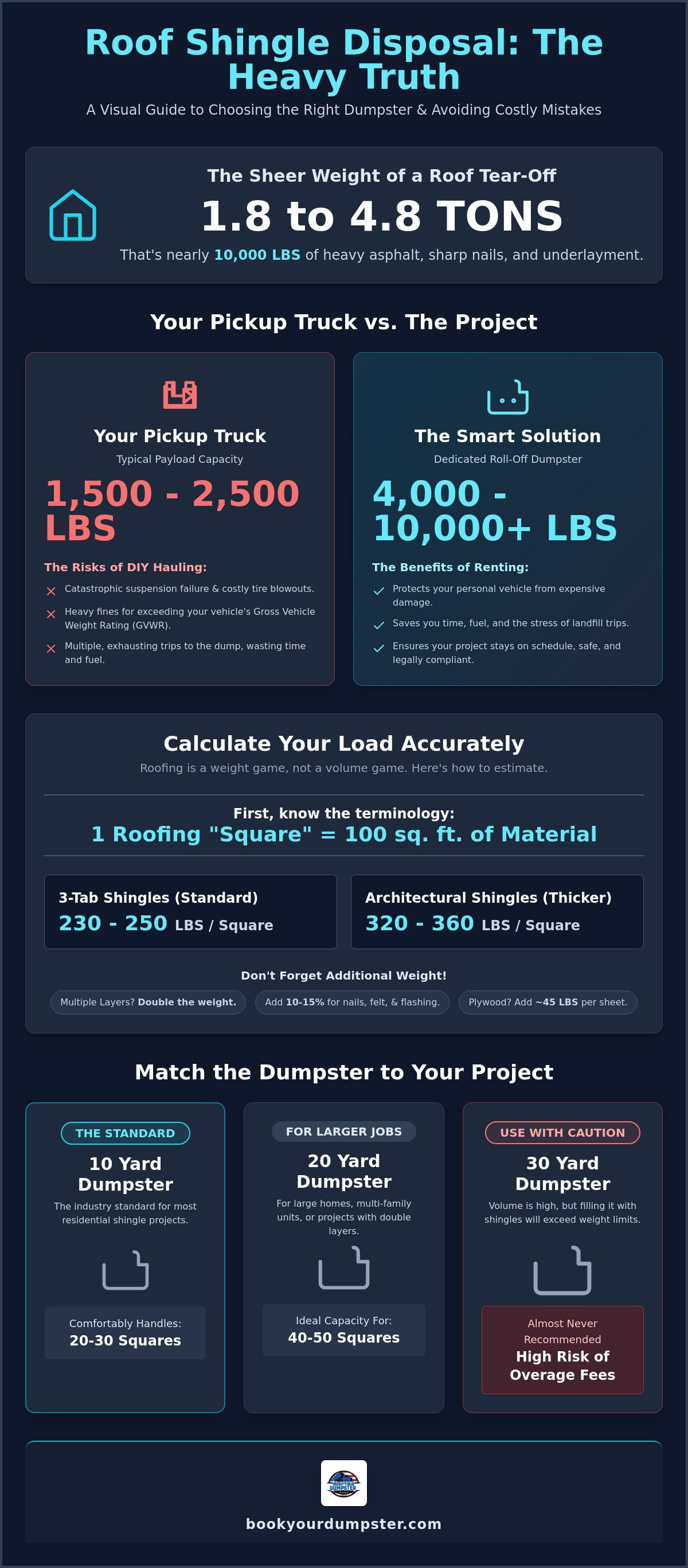
A typical roof tear-off generates between 1.8 and 4.8 tons of debris. That is nearly 10,000 pounds of heavy asphalt and sharp nails sitting on your property. You might think your pickup truck can handle the load, but choosing a dedicated dumpster for roof shingle disposal is the only way to protect your vehicle and your sanity. Shingles are deceptively heavy. While they don't take up much volume, their weight can quickly exceed payload limits and lead to expensive truck repairs or hidden overage fees at the landfill.
It's exhausting to manage multiple trips to the dump while trying to finish a renovation. This guide helps you calculate the correct dumpster size based on your roof square count so you can avoid logistical stress. You'll learn why renting a bin beats DIY hauling and how to secure fast delivery for your specific city. Follow these professional insights to ensure your project stays on schedule and under control.
Key Takeaways
- Calculate your total debris weight by converting roofing squares to tons to ensure you choose a container with the correct payload capacity.
- Evaluate the hidden expenses of DIY hauling, such as fuel and landfill tipping fees, against the efficiency of a dumpster for roof shingle disposal.
- Select between 10-yard and 20-yard models specifically designed to handle the high density of asphalt shingles without exceeding safety limits.
- Master loading techniques that keep your job site organized and prevent the costly overage charges associated with heavy construction materials.
The Heavy Reality of Roof Shingle Disposal
Roofing projects generate a massive amount of waste that most homeowners aren't prepared to move. In the waste industry, we categorize these materials as "heavy debris" because they possess a high density that quickly exceeds the weight limits of standard trucks. While a pile of old shingles might look small in your driveway, the combined weight of the Asphalt shingle, heavy underlayment, and metal flashing can easily reach several tons. As we move through 2026, landfill tipping fees continue to climb across the country. This makes selecting the right dumpster for roof shingle disposal a matter of financial strategy as much as logistics. You must understand that roofing is a weight game, not a volume game. A container that looks half-empty can still be at its maximum legal weight limit.
Why Shingles Aren’t Standard Household Trash
Municipal waste services are built for kitchen scraps and light packaging. They are not equipped to handle the extreme density of construction materials. Asphalt shingles are composed of a mix of fiberglass, mineral granules, and bitumen. This creates a material that is both weather-resistant and incredibly heavy. Most local curbside programs strictly prohibit these items because they can damage hydraulic compactors on garbage trucks. Don't expect your local trash collector to take even a few bundles. Additionally, if it rains during your project, the porous nature of the debris traps water. A wet roof tear-off can weigh nearly twice as much as a dry one. This turns a manageable load into a logistical nightmare that standard waste services simply won't touch.
The Danger of Overloading Personal Vehicles
A standard bundle of asphalt shingles weighs between 60 and 80 pounds. If you are tearing off a 20-square roof, you are managing roughly 4,000 to 6,000 pounds of waste. Most consumer pickup trucks have a payload capacity of only 1,500 to 2,500 pounds. Attempting to haul this yourself often leads to catastrophic suspension failure or tire blowouts. It isn't worth the risk to your vehicle's frame. Driving an overweight vehicle also carries legal risks. Local authorities frequently monitor roads near landfills. The fines for exceeding your vehicle's Gross Vehicle Weight Rating (GVWR) often exceed the cost of a professional rental. Using a dedicated dumpster for roof shingle disposal ensures that heavy-duty equipment handles the burden instead of your personal truck. It keeps your vehicle safe and your project on track. You can find the right capacity for your load at Book Your Dumpster USA.
Calculating Your Load: How Many Squares Fit in a Dumpster?
To choose the right dumpster for roof shingle disposal, you must first speak the language of roofing. Professionals measure roofs in "squares." One square represents 100 square feet of roofing material. This unit of measurement is the foundation for estimating both the cost of your materials and the weight of your waste. Calculating these numbers accurately ensures you rent a container that can safely handle the load without paying for unused space or facing overweight penalties. Remember that heavy debris is subject to different rules than household junk. You cannot simply fill the container to the top rim. Most haulers require you to stop at a specific "max fill" line to ensure the truck can safely lift and transport the weight on public roads.
The Shingle Weight Formula
The total weight of your debris depends on the type of shingle and the number of layers being removed. Use these general guidelines to build your estimate:
- 3-Tab Shingles: These standard shingles typically weigh between 230 and 250 pounds per square.
- Architectural Shingles: These are thicker and heavier, usually ranging from 320 to 360 pounds per square.
- Multiple Layers: If you are tearing off two layers of old roofing, you must double your weight estimate.
- Add-ons: Factor in an additional 10% to 15% for the combined weight of nails, felt underlayment, and flashing.
If your project involves replacing damaged plywood decking, account for that extra weight as well. A single sheet of 1/2 inch CDX plywood weighs about 45 pounds. Review our available dumpster sizes to find the right fit for your specific square count.
Choosing Between 10, 20, and 30 Yard Dumpsters
The 10 Yard Dumpster is the industry standard for most residential shingle projects. It comfortably handles 20 to 30 squares of 3-tab shingles while staying within legal weight limits. For larger homes or projects involving double layers of architectural shingles, the 20 Yard Dumpster is a better choice. It offers the capacity for 40 to 50 squares, making it ideal for multi-family units or expansive ranch-style roofs. Be cautious with larger containers. While a 30 Yard Dumpster offers more volume, filling it with heavy shingles will almost certainly exceed the truck's mechanical lifting capacity. We rarely recommend 30-yard or 40-yard bins for roofing debris because the weight of the material creates a safety risk before the container is even half full. Stick to the specialized 10 or 20-yard options to keep your project compliant and safe.
Renting a Dumpster vs. Making Trips to the Dump
Deciding between self-hauling and professional service is a matter of economics and physical stamina. In 2026, the logistical landscape for waste in the Northeast and West Coast has shifted significantly. Landfills in states like New York and Massachusetts have stricter regulations, and high fuel costs impact the bottom line of every project. While you might think using your own truck saves money, the reality often proves otherwise. Renting a dumpster for roof shingle disposal eliminates the need for multiple trips, allowing you to focus entirely on the installation. Professional roll-off services provide a centralized solution that keeps your property clean and your personal vehicle out of the repair shop.
The Hidden Costs of DIY Hauling
Manual hauling involves expenses that go far beyond a tank of gas. Tipping fees in regions like San Francisco and the New York metro area are among the highest in the country. Many facilities in Massachusetts have implemented strict bans on construction waste at residential drop-off points, forcing you to drive to commercial transfer stations that charge premium rates. You also have to value your time. If your local facility in Queens or suburban Illinois is 45 minutes away, you'll lose over 90 minutes per trip in traffic. A typical roof tear-off requires five to seven trips in a standard pickup truck. That is an entire workday lost to driving. You also risk damaging your truck's bed or transmission, which costs significantly more than a rental fee.
Why Renting a Dumpster Wins for Roofing
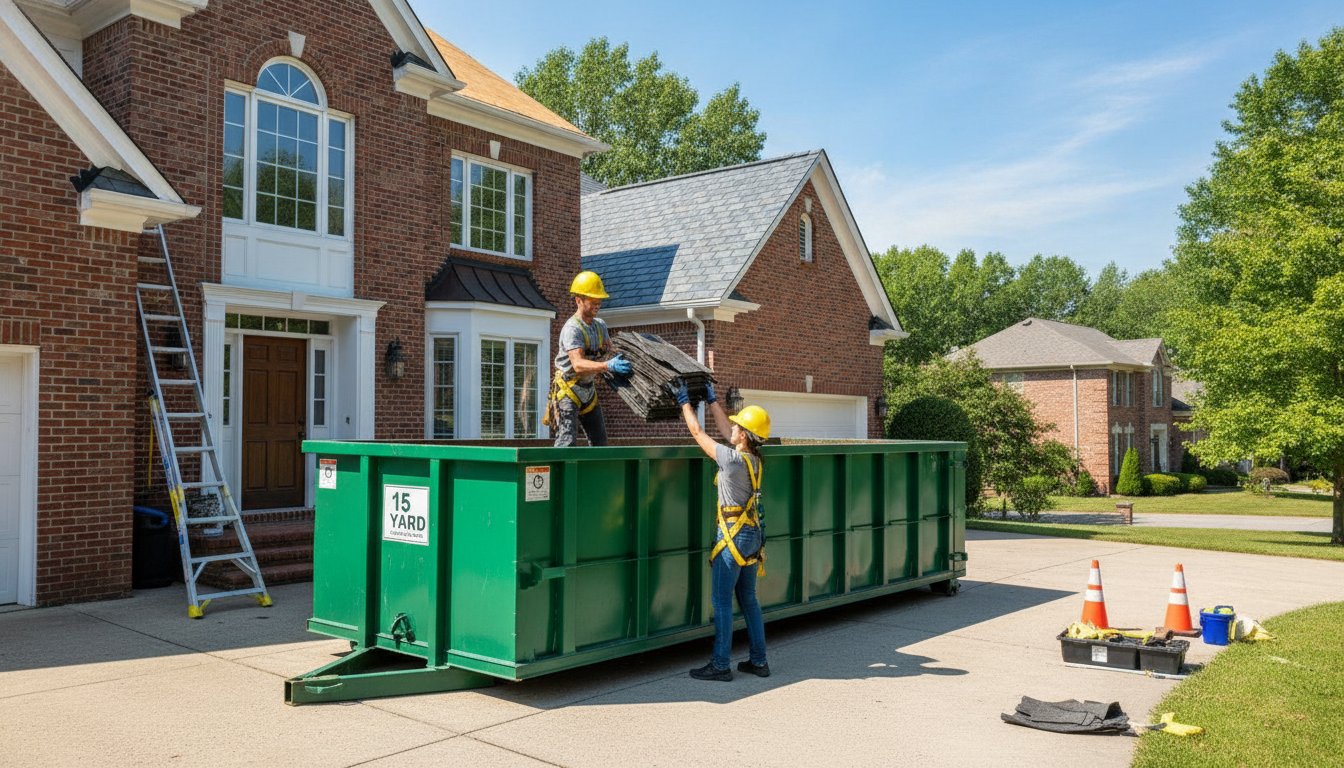
Efficiency is the primary advantage of a roll-off container. You can position the bin directly under the eaves, allowing your crew to toss shingles straight from the roof. This method eliminates the need to move heavy debris twice. It keeps your job site clean and prevents nails from hiding in your grass. Professional services also offer predictable pricing. You know exactly what you are paying before the project begins, unlike the variable costs found at a landfill scale house. For residents in congested neighborhoods, professional placement is vital. Expert drivers use specialized equipment to protect your driveway from the weight of the container. This level of precision is something you cannot replicate with a DIY approach. Secure your rental at Book Your Dumpster USA to maintain total control over your project timeline.
Avoiding Overages and Loading Best Practices
Managing weight is the most critical part of using a dumpster for roof shingle disposal. Standard debris limits for household junk don't apply here. Because shingles are incredibly dense, you must follow specific loading protocols to ensure the roll-off truck can safely lift the container. Distribute the weight evenly across the floor of the bin rather than piling it all at one end. This balance prevents the container from tipping or becoming unhitchable at the scale. If your dumpster exceeds the weight capacity specified in your agreement, you will face overage fees per extra ton. These charges occur because the hauler is billed more at the landfill, and those costs pass directly to the project. Keep your load level with the top of the bin. Safety regulations prohibit drivers from hauling "top-heavy" loads that might spill onto the road.
The "Clean Load" Concept
Recycling facilities often provide better processing rates for "clean" loads. A clean load consists almost entirely of asphalt shingles, underlayment, and nails. Many facilities process these old shingles into materials for road paving, but they can't do that if the load is contaminated with trash. Remove metal flashing, gutters, and large pieces of wood decking before tossing your shingles into the bin. Mixing household junk, chemicals, or tires with roofing debris turns a recyclable resource into expensive mixed waste. Always check for asbestos if you are working on a home built before 1990. Asbestos-containing shingles require specialized disposal and cannot be mixed with standard roofing waste. Keeping your materials separated is the fastest way to control your disposal budget.
Driveway Protection and Site Prep
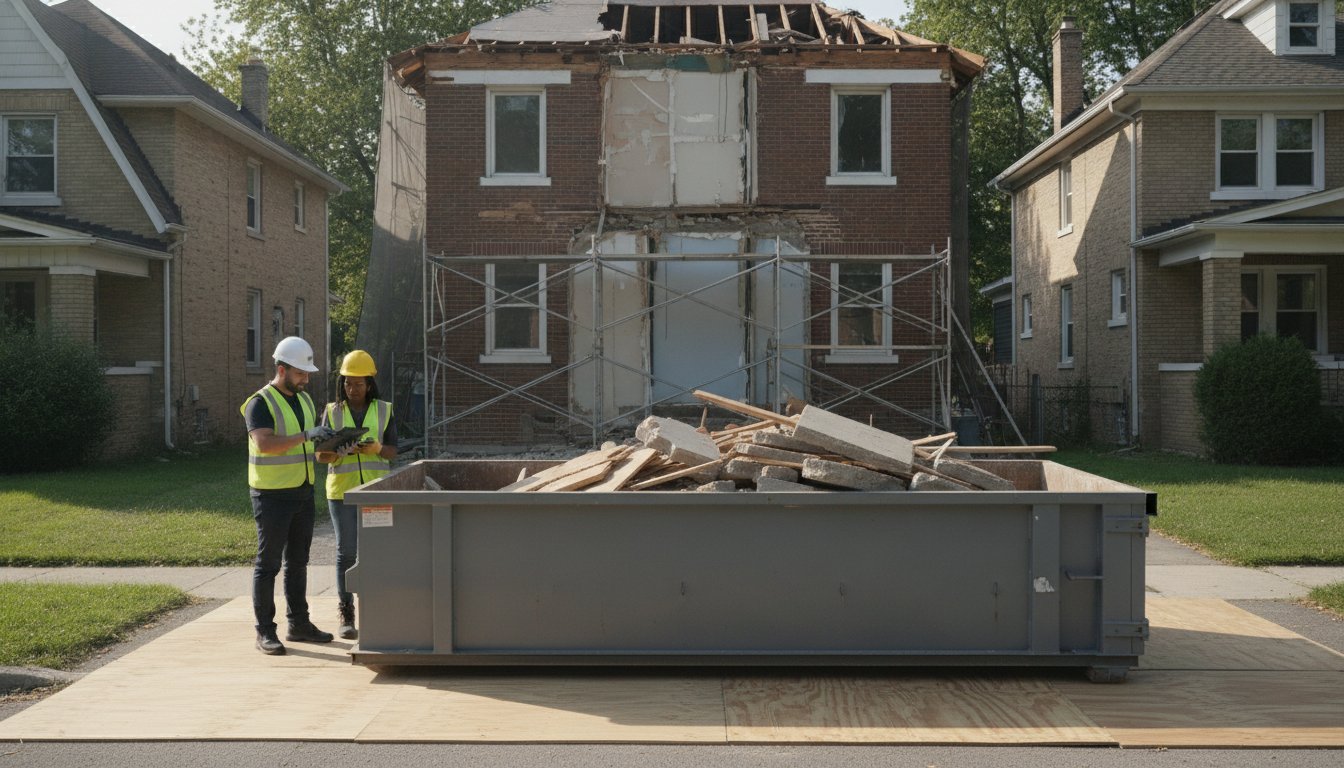
A 10-yard dumpster filled with shingles can weigh over five tons. This pressure can crack older asphalt or leave indentations in soft concrete. Protect your property by laying down large wood planks or plywood sheets before the delivery truck arrives. This creates a buffer that distributes the weight of the steel rollers. Site access is also vital, especially in tight urban areas like Queens or narrow suburban cul-de-sacs. Ensure the path is clear of low-hanging branches and power lines. If you plan to place the container on a public street, check your local regulations. States like Illinois and Massachusetts often require a right-of-way permit for street placement. Avoid the stress of last-minute logistics by having your site ready before the driver arrives. Schedule your delivery today to ensure you have the right equipment for a clean, safe job site.
Book Your Dumpster for Your Next Roofing Project
Managing a roofing project requires precision and a partner who understands the high-density nature of construction debris. Book Your Dumpster USA provides the logistical backbone for homeowners and contractors alike. We specialize in providing the ideal dumpster for roof shingle disposal, ensuring your materials are handled according to local weight and recycling standards. Our process is designed to remove the friction from your workflow. You select the size, set the date, and let our professional drivers handle the heavy lifting. In 2026, waste management is about more than just a bin; it's about transparency and punctuality. We ensure that your project stays on schedule by coordinating deliveries and pickups with digital precision. You can focus on the roof while we manage the mess.
Localized Service for Local Roofers
Disposal regulations are not universal. In areas like Queens or the wider New York market, strict recycling mandates require specific handling of asphalt shingles. Similarly, Massachusetts has implemented waste bans that prioritize the diversion of construction materials from landfills. We navigate these regional complexities for you. Our team understands the permit requirements and street placement rules in Illinois and New Jersey, preventing costly delays or fines. Even in markets like San Francisco, where environmental compliance is paramount, we provide the expertise needed to keep your job site legal. We commit to on-time delivery because we know a delayed dumpster stalls your entire crew. Get a fast quote and secure your project timeline by visiting Book Your Dumpster USA today. Our local knowledge ensures that your heavy debris is moved efficiently and responsibly.
The 10-Yard Specialist: Our Most Popular Roofing Choice
The 10 Yard Dumpster is the most efficient tool for residential roofing. Its compact footprint fits into tight driveways without blocking garage access or damaging landscaping. This size is specifically engineered to handle the extreme weight of a standard 20 to 30 square roof tear-off. For larger multi-family projects or expansive commercial buildings, our 20 Yard Dumpster offers the extra capacity needed while remaining within safe payload limits. We focus on these shingle specialists because they offer the best balance of volume and weight management. Using a bin that is too large often leads to dead space that you still pay for, while a bin that is too small leads to messy overflows. Don't risk your driveway or your budget on an oversized, unmanageable bin. Our online platform allows you to schedule your rental in under two minutes, providing instant confirmation and clear pricing. Book your 10-yard dumpster online now to experience a cleaner, faster disposal process that respects your time and your property.
Streamline Your Roofing Project with Professional Disposal
Managing a roof tear-off is a heavy responsibility that requires more than just a pickup truck. You now understand that roofing squares translate into thousands of pounds of debris. Choosing a dedicated dumpster for roof shingle disposal is the most efficient way to protect your vehicle from suspension damage and avoid the exhausting cycle of multiple dump trips. By selecting the right 10-yard or 20-yard container, you ensure your project stays organized and compliant with local weight regulations.
Book Your Dumpster USA has served New York, New Jersey, Illinois, and Massachusetts since 2018. We provide transparent pricing with no hidden fees and a streamlined online booking process for our full range of 10 to 40-yard containers. Don't let logistical stress slow down your renovation. Focus on the new roof and let us handle the heavy lifting with precision and reliability. Your property is a major investment; treat it with the professional care it deserves.
Rent a Roofing Dumpster Today and clear your site with confidence.
Frequently Asked Questions
How many squares of shingles fit in a 10-yard dumpster?
A 10-yard dumpster for roof shingle disposal typically holds 20 to 30 squares of standard 3-tab shingles. If you are removing architectural shingles, this capacity drops to approximately 20 squares due to the increased weight. Never exceed the "max fill" line on the side of the container. Overfilling creates a safety hazard during transport and will likely result in a failed pickup attempt or additional overage charges at the landfill scale.
Is it cheaper to haul shingles to the dump myself?
DIY hauling is rarely cheaper once you calculate the total cost of fuel, vehicle wear, and landfill tipping fees. Landfills often charge residential users higher rates for single loads compared to professional contractors. A typical roof requires five to seven trips in a standard pickup truck. When you value your time at a professional hourly rate, the convenience of a single roll-off container provides much better financial value and less physical exhaustion.
Do I need a permit for a roofing dumpster in New York or New Jersey?
You generally need a permit if the dumpster is placed on a public street or sidewalk in New York or New Jersey. For example, New York City requires a DOT permit for any container placed on a public roadway. If the bin stays entirely on your private driveway, a permit is usually not required. Always check your specific municipal code before scheduling your delivery to avoid city fines and unnecessary project delays.
Can I put old gutters and flashing in the same dumpster as shingles?
You can mix gutters and flashing with shingles, but doing so often prevents the load from being recycled. Many facilities offer discounted rates for "clean" shingle-only loads that are free of metal and wood. If you choose to mix materials, the entire container is treated as standard construction debris. This may increase your total disposal cost. Keep metal separate if you want to maximize recycling efficiency and lower your total fees.
What is the weight limit for a roofing dumpster?
Weight limits for roofing dumpsters typically range from 2 to 4 tons for a 10-yard container. Asphalt shingles are extremely dense, so the weight limit is reached long before the container is physically full. Exceeding this limit creates mechanical stress on the roll-off truck and violates road safety laws. Always discuss your specific square count with your provider to ensure your weight allowance matches the physical reality of your roof tear-off project.
How much does a square of shingles weigh?
A single roofing square of standard 3-tab shingles weighs between 230 and 250 pounds. Heavier architectural shingles weigh between 320 and 360 pounds per square. If your roof has multiple layers, you must add the weight of each layer together. For a 2,000 square foot roof with two layers of architectural shingles, you are managing over 14,000 pounds of waste. This massive weight makes a professional dumpster for roof shingle disposal a necessity.
Can shingles be recycled in Massachusetts or Illinois?
Yes, asphalt shingle recycling is available in both Massachusetts and Illinois through specialized processing facilities. These states have active programs that turn old shingles into hot-mix asphalt for road paving. Recycling is often more cost-effective than landfilling because it avoids high tipping fees. To participate, ensure your load is "clean" and free of contaminants like wood, trash, or excessive metal flashing before the hauler arrives at your job site.
What happens if my dumpster is too heavy for the truck to pick up?
If a dumpster is too heavy for the truck, the driver will not pick it up. You will be responsible for removing the excess material until the container meets the legal weight limit. This often results in a "dry run" fee for the attempted pickup. To avoid this, never fill the bin past the designated heavy debris line. Accurate estimation of your roof squares is the best way to prevent a failed pickup.