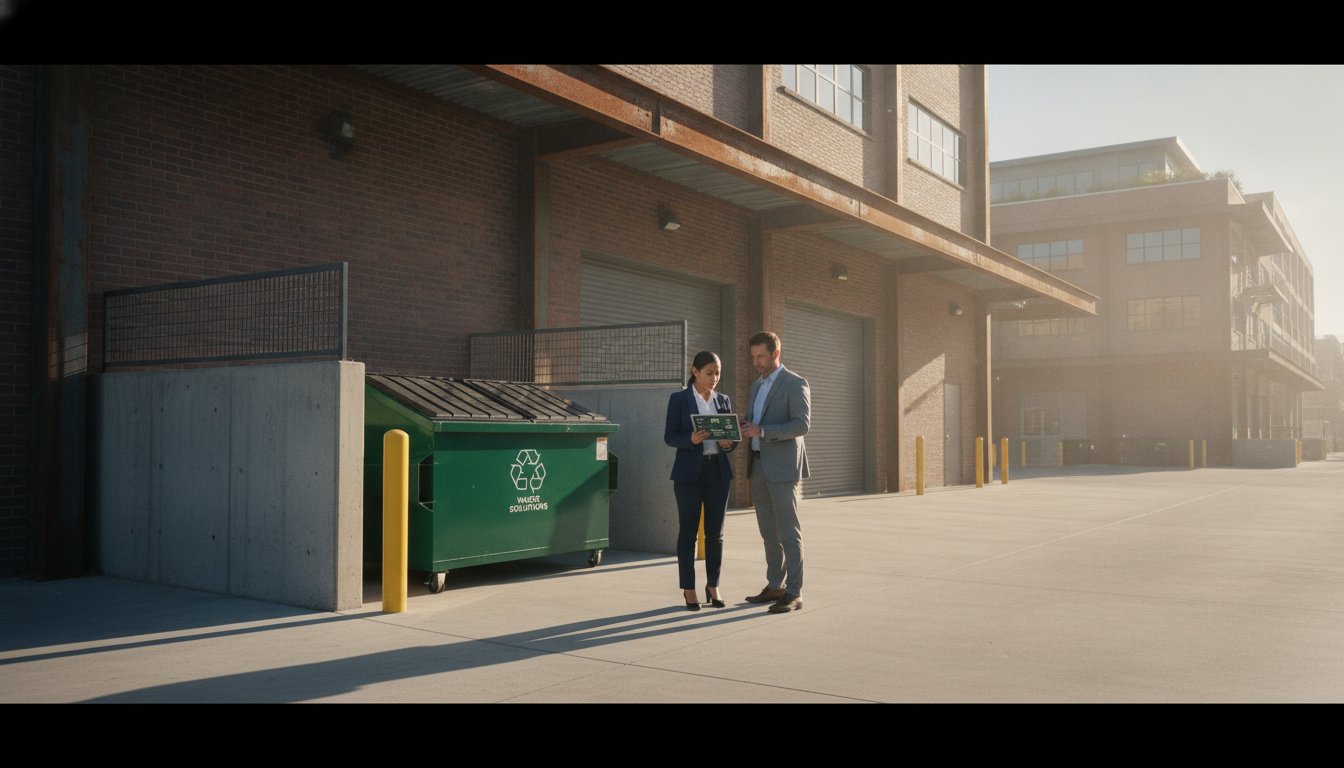
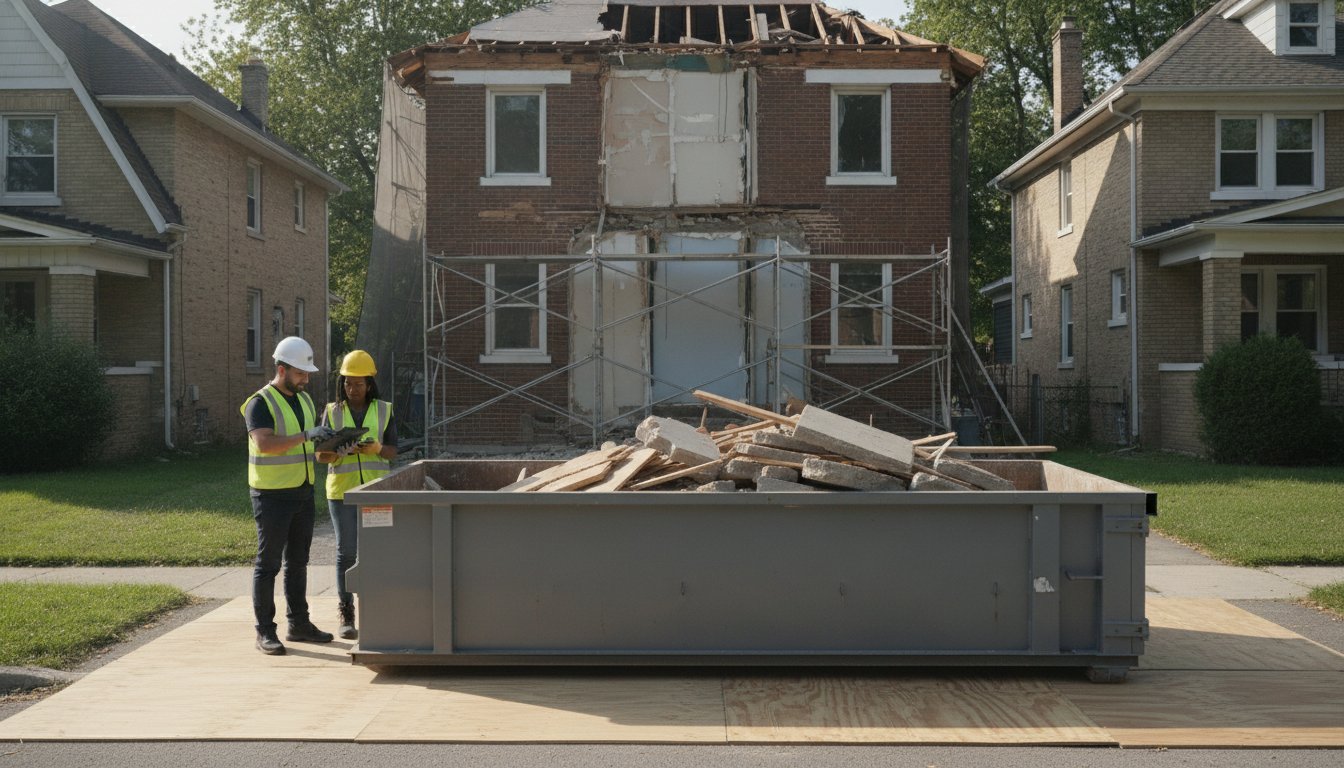
Loading a demolition dumpster based on volume alone is the fastest way to blow your project budget. While it's tempting to focus on how much debris fits inside the steel walls, the real challenge lies in the density of concrete, shingles, and timber. You likely understand the frustration of a container that arrives late or a final bill inflated by hidden overage fees. These logistical failures don't just cost money; they stall your entire crew and create unnecessary friction on the job site.
Managing a demolition dumpster rental requires a professional approach to weight and timing. This guide provides the framework you need to select the right container size and streamline your waste removal with professional efficiency. Learn how to protect your property from heavy roll-off damage, navigate local permit requirements, and maintain a transparent cost structure. We will break down the specific requirements for heavy debris and show you how to keep your project site clean and compliant without the typical industry headaches. Follow these steps to ensure your next project stays on schedule and within its financial targets.
- Distinguish between standard waste and heavy-duty debris to choose a demolition dumpster rental that fits your project's structural needs.
- Match your teardown scope to 10, 20, 30, or 40-yard containers to prevent overflow and project delays.
- Navigate tonnage limits for heavy materials like concrete and brick to maintain a transparent and predictable budget.
- Manage local permits and site preparation to ensure safe placement and protect your driveway or sidewalk from damage.
- Leverage professional booking systems to automate your waste logistics and focus on the demolition work.
Choosing the Right Demolition Dumpster Rental for Your Project
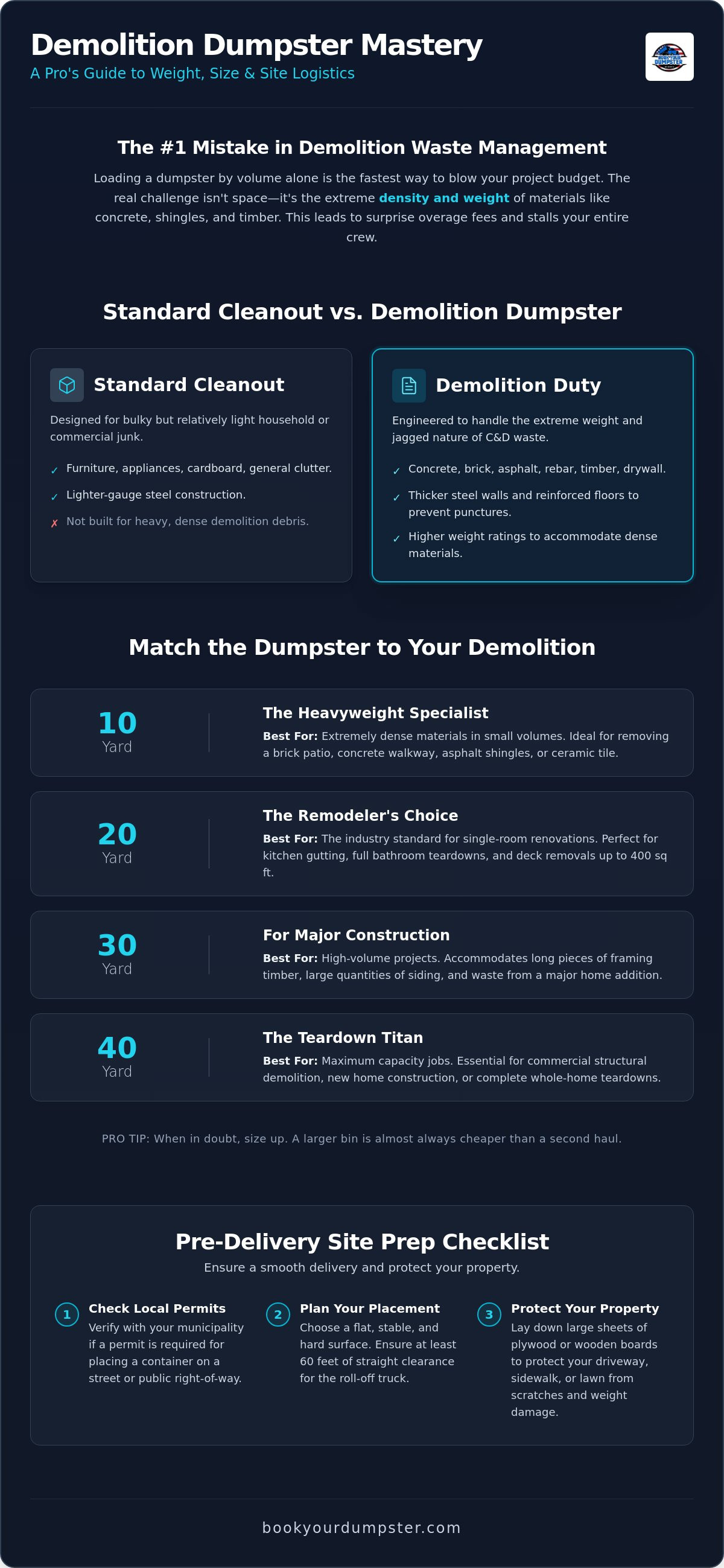
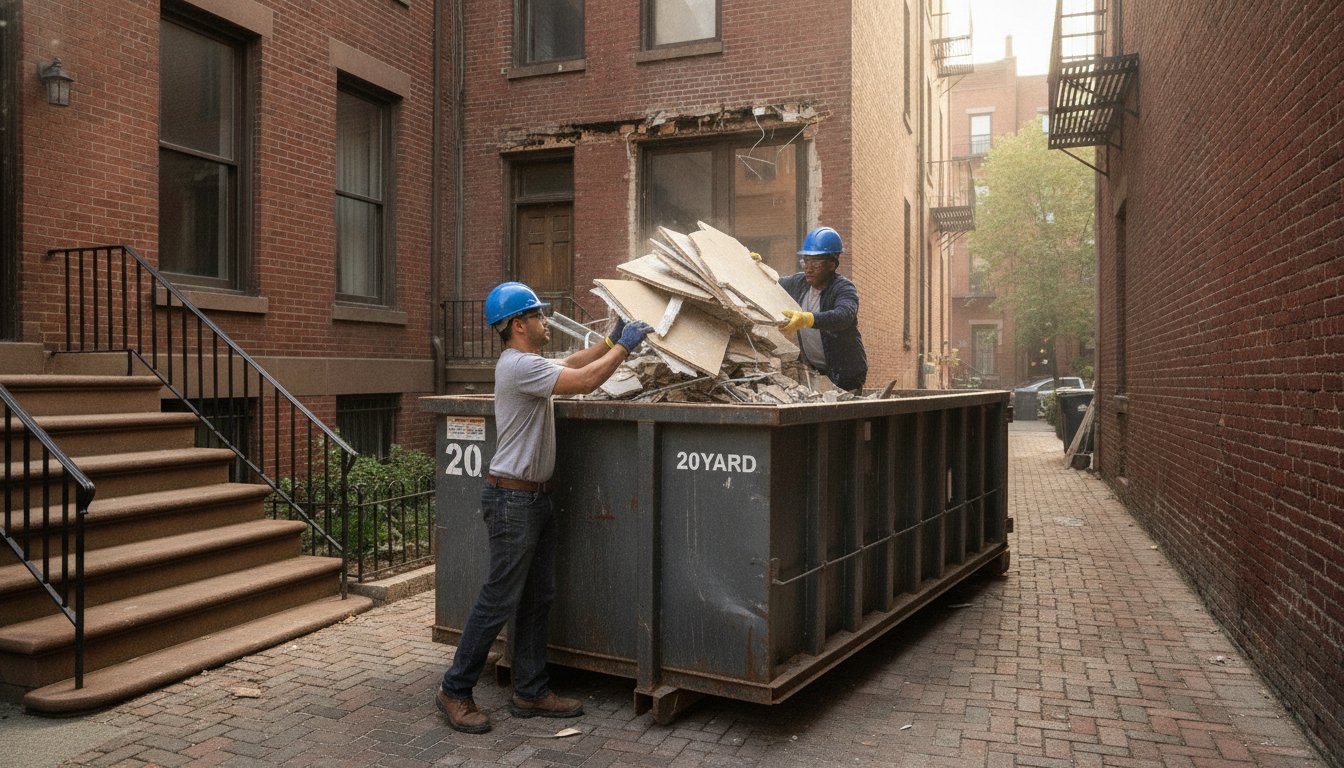
A demolition dumpster is a heavy-duty roll-off container specifically engineered to handle the extreme weight and jagged nature of construction and demolition (C&D) waste. Unlike standard residential bins used for spring cleaning, these containers must withstand the impact of heavy beams, concrete slabs, and metal rebar. When you start a teardown, you aren't just dealing with volume; you're managing mass. Selecting the correct demolition dumpster rental ensures your equipment can actually leave the site once it's full. If the container is too light for the load, it may suffer structural damage or exceed the lifting capacity of the haul truck.
Effective waste management starts before the first sledgehammer swings. You must plan for debris flow to prevent site clutter from stalling your crew. Piles of loose drywall and timber create bottlenecks that slow down contractors and increase the risk of accidents. Professional debris removal keeps your job site organized, allowing for a faster transition between the demolition and reconstruction phases. It also ensures you remain compliant with local safety standards and environmental codes.
The Difference Between Demolition and Standard Cleanout Dumpsters
The primary distinction lies in structural reinforcement and weight ratings. Standard cleanout dumpsters are built for bulky but relatively light items like furniture or cardboard. In contrast, demolition units feature thicker steel walls and reinforced floors to prevent punctures from sharp materials. Material density dictates your choice here. While a standard bin might hold several rooms of old clothes, a demolition unit is required for dense materials such as drywall, laminate flooring, and heavy siding. Understanding these roll-off dumpster sizes and their weight capacities is vital for any project involving structural changes.
Benefits of Professional Demolition Debris Removal
Reliable debris management is a safety requirement. Piled debris on an active site leads to trips, falls, and injuries from exposed nails or splintered wood. By using a dedicated container, you maintain a clear workflow and keep your team focused on the task at hand. Professional services also help you navigate complex local regulations. For example, federal rules often require specific handling for materials like asbestos during a renovation. Using a professional service ensures your waste is hauled to the correct facility, reducing your liability and protecting the local environment. Visit Book Your Dumpster USA to secure a container that matches your project's specific demands and keeps your site running with professional efficiency.
Dumpster Sizes for Demolition: From Small Bathrooms to Full Teardowns
Choose your container based on the heaviest material you plan to toss. A demolition dumpster rental requires a calculation of both space and mass. For instance, a pile of drywall takes up significant volume but weighs far less than a stack of concrete pavers. If you're unsure about the total weight, opt for the next size up. Paying for a slightly larger bin is almost always cheaper than paying for a second haul because you underestimated the debris pile. You should treat one cubic yard as roughly the size of a standard kitchen stove when estimating your total waste volume.
10 and 20 Yard Dumpsters for Residential Demolition
Use these sizes for focused residential work where space is limited. A 10 yard dumpster rental excels in weight-heavy tasks like removing a brick patio, old ceramic tile, or asphalt roofing shingles. It's compact enough for suburban driveways, which helps prevent property damage and keeps the container close to the exit point. The 20-yard option is the industry standard for kitchen gutting and deck removals. It offers more vertical space, making it better for bulky items like cabinets, vanity units, and large sections of flooring that don't lay flat.
30 and 40 Yard Dumpsters for Major Construction
Professional contractors rely on 30 and 40-yard containers to keep high-volume sites clear. A 30-yard bin accommodates long pieces of framing timber and large quantities of siding that won't fit in smaller units without extensive cutting. The 40-yard dumpster is essential for commercial structural demolition or whole-home teardowns. This size ensures your crew spends their time working, not waiting for a truck to arrive for a swap. High-volume bins are the most efficient way to manage massive amounts of waste on professional job sites where every hour of labor impacts the bottom line.
Proper waste management also involves following EPA guidelines for demolition debris to ensure materials are handled sustainably. Whether you are stripping a single room or leveling a multi-story structure, matching the container to your debris type is the first step toward a successful project. You can view our available inventory to find the best fit for your specific teardown and schedule your delivery today.
Weight Limits and Material Restrictions for Demolition Waste
Weight is the most critical factor in the final cost of a demolition dumpster rental. Every container comes with a specific tonnage limit, which is the maximum weight of debris included in your initial rate. If you exceed this limit, you will face overage fees based on the additional tonnage recorded at the landfill scales. For heavy demolition projects, it's easy to reach these limits long before the bin is physically full. You must monitor the density of what you toss to avoid a heavy surprise on your final invoice.
Industry standards distinguish between light demolition and heavy debris. Light demolition typically involves materials like drywall, timber, and flooring. These items have a lower density and allow you to use larger 30 or 40-yard containers. Heavy debris projects involve concrete, brick, asphalt, or dirt. These materials are so dense that they can only be loaded into specialized 10 or 20-yard containers to ensure the truck can safely lift and transport the load without violating road weight laws. Failing to separate these materials can lead to a "rejected load" or significant financial penalties.
Calculating the Density of Your Debris
Material weight fluctuates based on condition and type. For example, wet drywall weighs significantly more than dry sheets, and a single cubic yard of concrete can weigh up to 4,000 pounds. If your project involves mixed materials, place the heaviest items at the bottom and distribute the weight evenly across the floor of the container. To calculate cubic yardage for heavy debris, multiply length by width by height in feet and divide by 27. This simple math helps you estimate if you need a specialized "low-boy" container for masonry or if a standard roll-off will suffice.
Avoiding Overage Fees and Prohibited Item Penalties
Exceeding your weight allowance isn't the only way to incur extra costs. Prohibited items like hazardous chemicals, paints, batteries, and asbestos-containing materials are strictly banned from standard demolition rentals. These items require specialized disposal to comply with environmental regulations. Many contractors consult resources like the Construction & Demolition Recycling Association to find better ways to manage recyclable materials and reduce their total landfill weight.
Communicate your material types to your provider before the bin arrives. If you plan to dump heavy shingles or concrete, we need to know so we can provide a container with the appropriate weight capacity. Clear communication prevents delays and ensures your project stays within its budget. You can check our service availability to find a container that matches the specific weight requirements of your next teardown.
Planning Your Rental: Permits, Placement, and Local Logistics
Securing a demolition dumpster rental involves more than just picking a delivery date. You must first determine where the container will sit and whether that specific location requires legal authorization. If you place the unit on a public street, sidewalk, or right-of-way in a major city, a permit is almost always a requirement. For instance, permit costs in New York City currently range from $75 to $150. In Chicago, these fees typically fall between $50 and $100. Always verify these requirements with your local public works or engineering department to avoid fines that can easily exceed the cost of the rental itself. If you have a private driveway, you can usually skip the city permit, but you still need to account for the physical footprint of the truck and the bin.
Navigating Urban Logistics and Permits
Urban environments like Queens or San Francisco present unique challenges for heavy equipment. In high-density areas, you must often secure a right-of-way permit weeks in advance to reserve curb space. San Francisco permit fees generally range from $44 to $88 for street placement. Whether you are working in Illinois, Massachusetts, or New Jersey, check your local municipal code for specific "dumpster ordinances" that dictate how long a container can remain on the curb. Don't forget to check with your Homeowners Association (HOA); they often have stricter rules regarding placement and duration than the city does. Coordinating these details early prevents the delivery truck from being turned away on arrival day.
Site Preparation for Heavy Roll-Off Containers
Protect your property before the truck arrives. A full demolition dumpster can weigh several tons, and this pressure can easily crack asphalt or leave deep ruts in soft soil. Lay down 4x8 sheets of plywood or professional street pads to distribute the weight and shield your driveway surface. You must also ensure at least 22 feet of overhead clearance for the roll-off truck to lift its bed and slide the container into place. Clear away low-hanging branches or power lines that could obstruct the delivery path. If your teardown generates waste faster than expected, schedule a "swap-out" at least 24 hours in advance. This ensures a fresh container arrives exactly when the full one is hauled away, keeping your crew on task without any downtime.
Effective planning prevents the logistical delays that stall demolition projects. You can schedule your delivery online to secure your container and start coordinating your site logistics today.
Streamlined Demolition Debris Removal with Book Your Dumpster USA
Managing a demolition site requires a partner that respects your schedule and your budget. While many companies force you through a slow and opaque "request a quote" process, we provide immediate access to the equipment you need. Choosing a professional roll off dumpster rental shouldn't be the most complicated part of your teardown. We focus on pricing integrity and transparent weight limits so you can budget with confidence. By removing the logistical friction of a demolition dumpster rental, we allow you to focus on the structural work at hand. We serve major US metros, ensuring that whether you're in a high-density urban center or a suburban neighborhood, your waste logistics are handled with precision.
Why Contractors Choose Book Your Dumpster USA
Reliability is our core promise. Contractors don't have time to wait for a truck that's stuck in traffic or a container that never arrives. Our digital-first booking tool allows you to schedule deliveries and pickups in seconds, giving you total control over your site's timeline. We support commercial-scale projects with our heavy-duty 30 and 40-yard options, ensuring you have the capacity to move massive amounts of waste quickly. You get clear communication and punctual service, which are essential for maintaining a safe and productive job site. We've modernized the traditional industrial sector by prioritizing digital convenience and straightforward honesty.
Get Started with Your Demolition Project
Securing your container is a straightforward process designed to save you time. First, select your size based on the material density of your specific project. Second, use our online system to check real-time availability in your area. Third, confirm your delivery date and provide specific placement instructions to protect your property. For more complex logistics or unique material questions, our expert team is ready to provide direct, no-nonsense answers. You can also review our guide on construction debris removal to further optimize your site's waste flow. Don't let debris pile up and stall your progress. Visit Book Your Dumpster USA to finalize your demolition dumpster rental and experience waste management with professional efficiency.
Take Control of Your Project Waste
Successful demolition depends on matching container capacity to material density and securing the right permits before the first hammer falls. You now have the framework to avoid overage fees and keep your job site moving with professional speed. Securing a reliable demolition dumpster rental is the final step in your planning phase. It's the difference between a cluttered, hazardous site and a streamlined workflow that respects your project timeline.
We provide available sizes from 10 to 40 yards to handle any project scale, from residential bathroom guts to full commercial teardowns. Our digital-first booking system allows for 24/7 scheduling; this ensures you have a container exactly when you need it. You can count on transparent pricing with no hidden fees to keep your budget on track. Book Your Demolition Dumpster Online Today and clear the way for your next build with confidence and efficiency.
Frequently Asked Questions
How much does a demolition dumpster rental cost?
The total cost is determined by the container size, your project's location, and the weight of the debris generated. National averages for a standard weekly rental typically fall between $385 and $618. For instance, a 20-yard dumpster often costs between $275 and $700, while larger 30-yard units can range from $300 to $725. Always check if your quote includes landfill tipping fees to avoid unexpected charges on your final bill.
What is considered "demolition debris" for a dumpster?
Demolition debris consists of structural materials removed during a teardown or major renovation. This includes drywall, timber framing, siding, roofing shingles, and various types of flooring. It differs from standard household junk because the materials are often heavier and more jagged. A professional demolition dumpster rental is engineered to handle these dense materials without suffering structural damage during transport.
Can I put concrete and brick in a 40-yard dumpster?
You should not put heavy masonry like concrete, brick, or asphalt in a 40-yard container. These materials are extremely dense and will exceed the truck's legal lifting capacity before the bin is even half full. For heavy debris projects, stick to 10 or 20-yard dumpsters. This keeps the load within safe transport limits and helps you avoid significant overweight penalties at the scale.
How long can I keep the dumpster on my demolition site?
Most standard rental agreements include a period of 7 to 10 days. If your project schedule shifts, you can typically extend the rental for a daily fee, which often ranges from $5 to $10 per day. Contact your provider at least 24 hours before you need the pickup to ensure the truck can reach your site exactly when you're finished with the teardown.
Do I need a permit for a demolition dumpster in New York or Chicago?
Permits are required if the dumpster sits on a public street, sidewalk, or right-of-way in these cities. In New York City, permit fees range from $75 to $150, while Chicago fees are usually between $50 and $100. In San Francisco, you must secure a right-of-way permit for any street placement. You don't usually need a permit if the container stays entirely on your private driveway or job site.
What happens if the dumpster is too heavy to pick up?
If a container exceeds the truck's lifting capacity, the driver will be unable to complete the pickup. You'll be responsible for removing enough debris to bring the unit back under the legal weight limit before the truck returns. This delay usually results in a dry-run fee, so monitor your weight limits closely when loading dense materials like wet drywall or heavy timber.
Are there items I cannot put in a demolition dumpster?
Hazardous materials are strictly prohibited and require specialized disposal to comply with environmental codes. This includes asbestos, chemicals, batteries, fuel, and wet paint. Federal EPA regulations require you to identify asbestos-containing materials in many residential buildings before you begin demolition. Mixing these items with structural debris can lead to environmental fines and rejected loads at the facility.
How far in advance should I book my rental for a teardown?
Secure your rental at least 24 to 48 hours before your project begins to ensure your preferred container size is available. If your project is in a high-density urban area like Queens or requires a street permit in Massachusetts, start the process two weeks early. This lead time ensures you have the right equipment on-site the moment your crew is ready to work.
More Articles
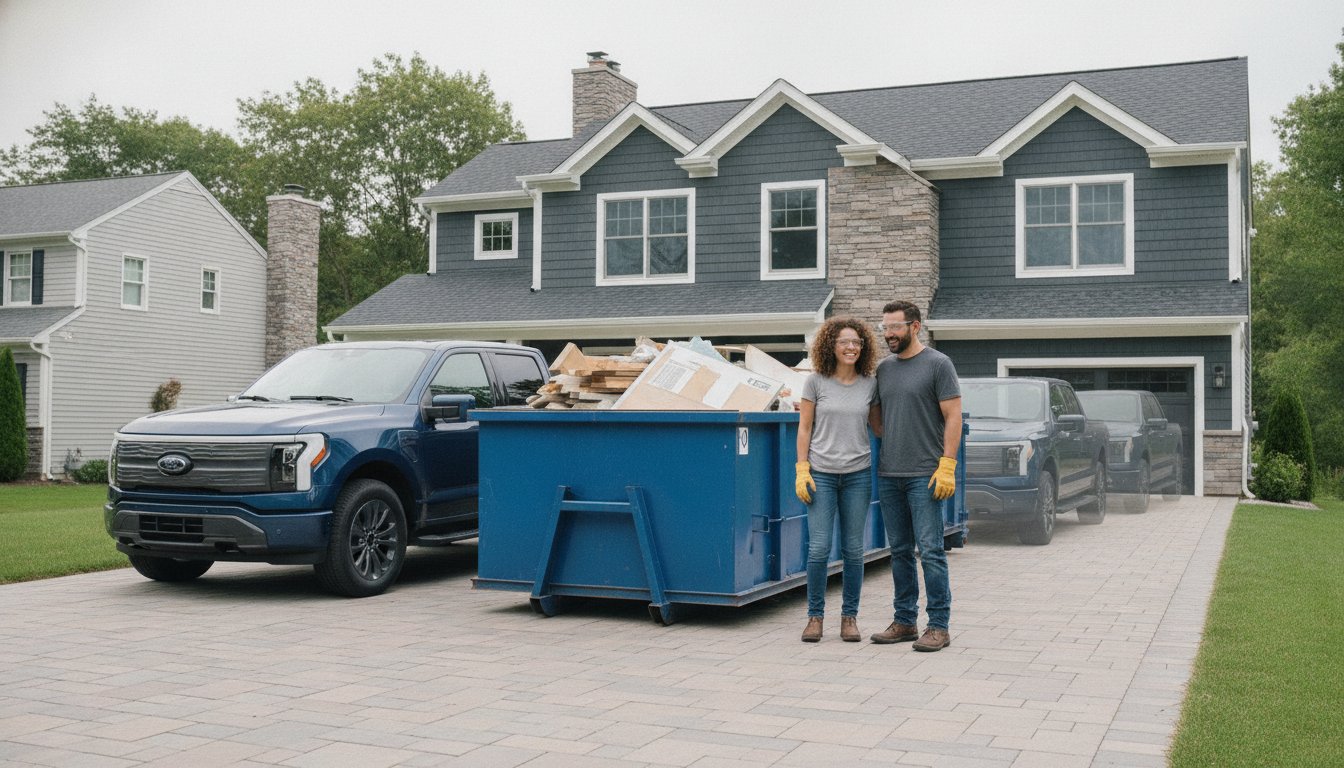
How Many Pickup Truck Loads in a 10 Yard Dumpster? A Visual Guide for 2026
Dumpster for Interior Demolition: A Buying Guide for Contractors & Homeowners