A single hidden fee can increase your total project cost by 25% before you even toss the first piece of debris. You want a clear path to getting rid of junk, not a complicated logistical puzzle that ends with a surprise bill. Most project managers and homeowners agree that a roll off dumpster rental is the most overlooked part of a successful renovation. It shouldn't be.
Master the logistics of waste management with this comprehensive guide to efficient disposal. We'll show you how to avoid the $75 overage fees that impact 28% of first-time rentals and ensure your delivery is seamless. You'll gain a firm grasp on cubic yard capacities, site preparation strategies, and the transparent pricing models used by industry experts to keep costs predictable. Stop guessing about volume and Book Your Dumpster USA with complete confidence.
We've mapped out the entire process, including specific dimensions for 10 to 40-yard containers and the 5 critical steps to protect your property during drop-off.
Key Takeaways
- Understand how the roll-off mechanism works to ensure precise placement and a smooth delivery process.
- Select the right container size by volume to handle your debris efficiently without paying for unused space.
- Prepare your site properly to prevent "dry run" fees and facilitate a safe, on-time delivery.
- Follow a simple 5-step process to book your roll off dumpster rental online and secure your project dates instantly.
- Master efficient loading techniques to maximize your rental capacity and ensure a seamless pickup.
What is a Roll-Off Dumpster Rental and Why Do You Need One?
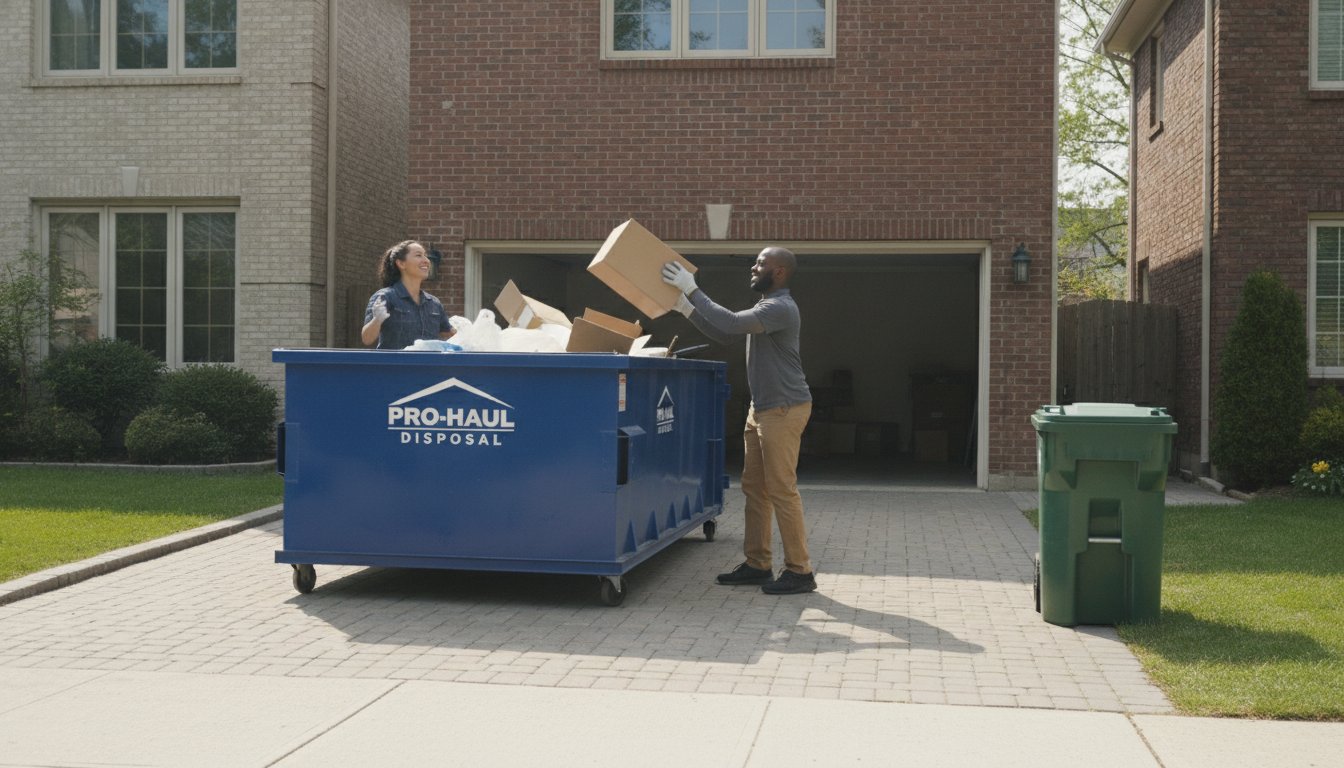
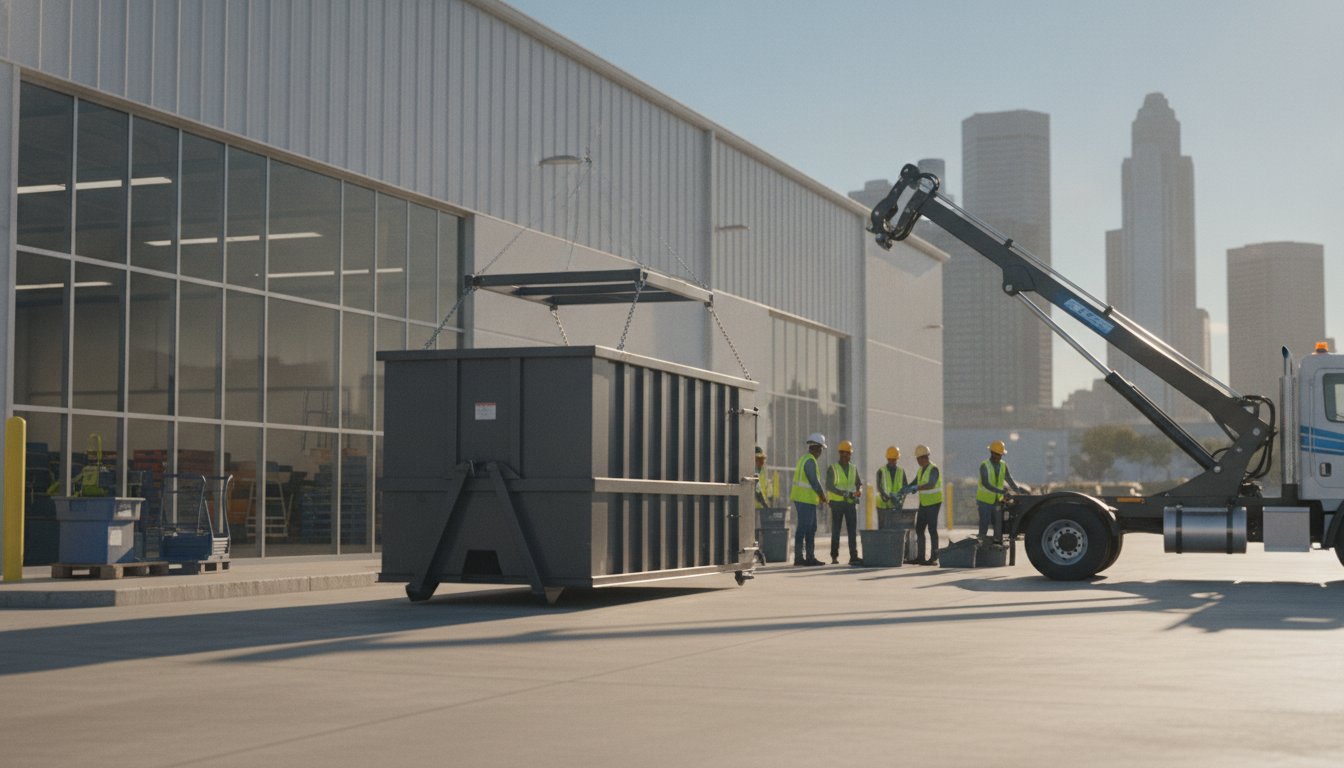
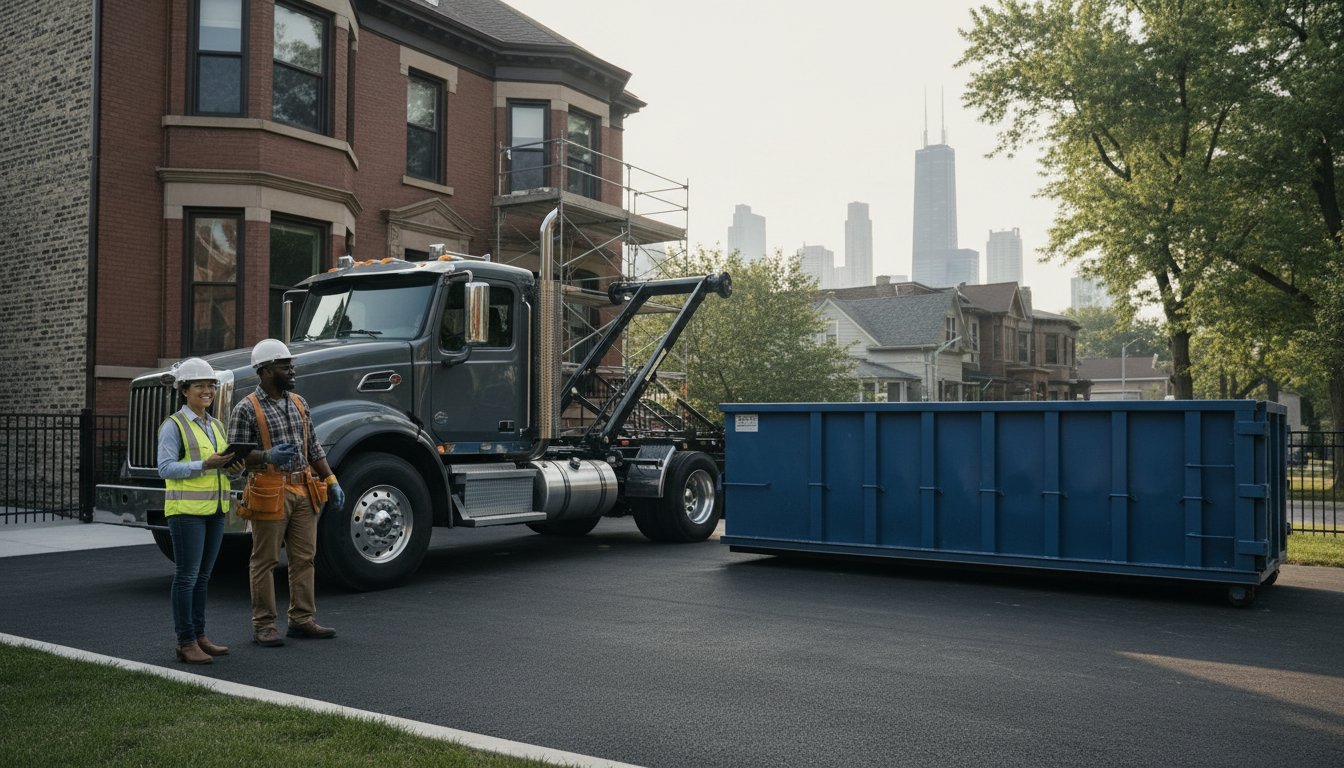
A roll-off dumpster is a heavy-duty, open-top waste container designed for large-scale disposal projects. Unlike your curbside bin, this is a rectangular steel box that arrives on a specialized truck. To understand What is a Roll-Off Dumpster, you must look at the delivery mechanism. A hydraulic hoist tilts the truck bed, allowing the container to slide or "roll off" onto your driveway or job site. This system handles massive weight loads that standard garbage trucks cannot manage.
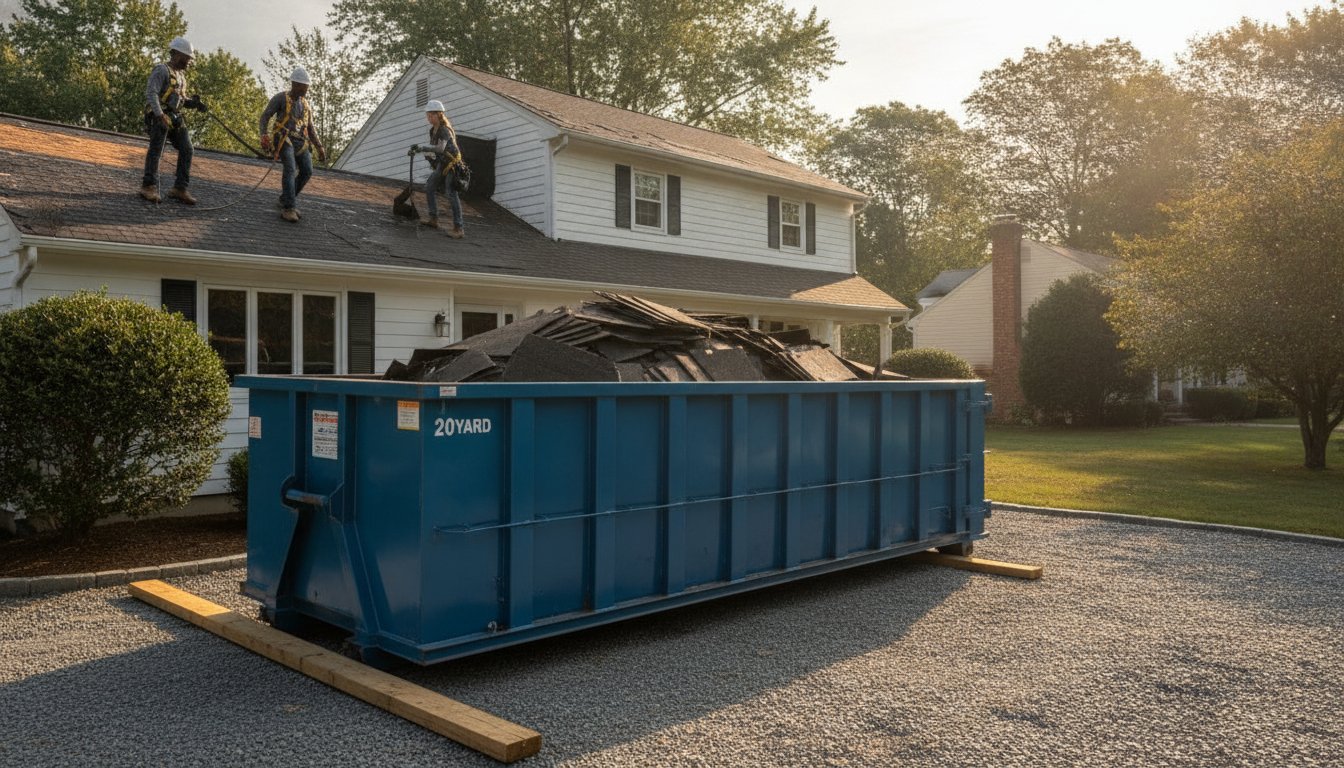
You need a roll off dumpster rental when standard trash collection fails. Most residential trash services limit you to two 96-gallon bins per week. A single bathroom remodel can generate 2,000 pounds of tile and drywall debris, making standard bins useless. Contractors managing a 3-bedroom estate cleanout or a 2,500 square foot roof replacement rely on these steel containers. They handle heavy materials like asphalt shingles, broken concrete, and framing lumber that would damage smaller equipment.
Roll-Off vs. Front-Load Dumpsters: Key Differences
Front-load dumpsters are the permanent fixtures found behind retail centers or restaurants. They have plastic lids and stay on-site for years with scheduled weekly pickups. Roll-off containers are project-specific tools. Their open-top design facilitates fast disposal of bulky items. While a commercial front-load bin usually caps at 8 cubic yards, a roll off dumpster rental offers 10, 20, 30, or 40 cubic yards of capacity. This makes them the only viable choice for 5-ton debris hauls.
The Logistics of the Roll-Off Delivery System
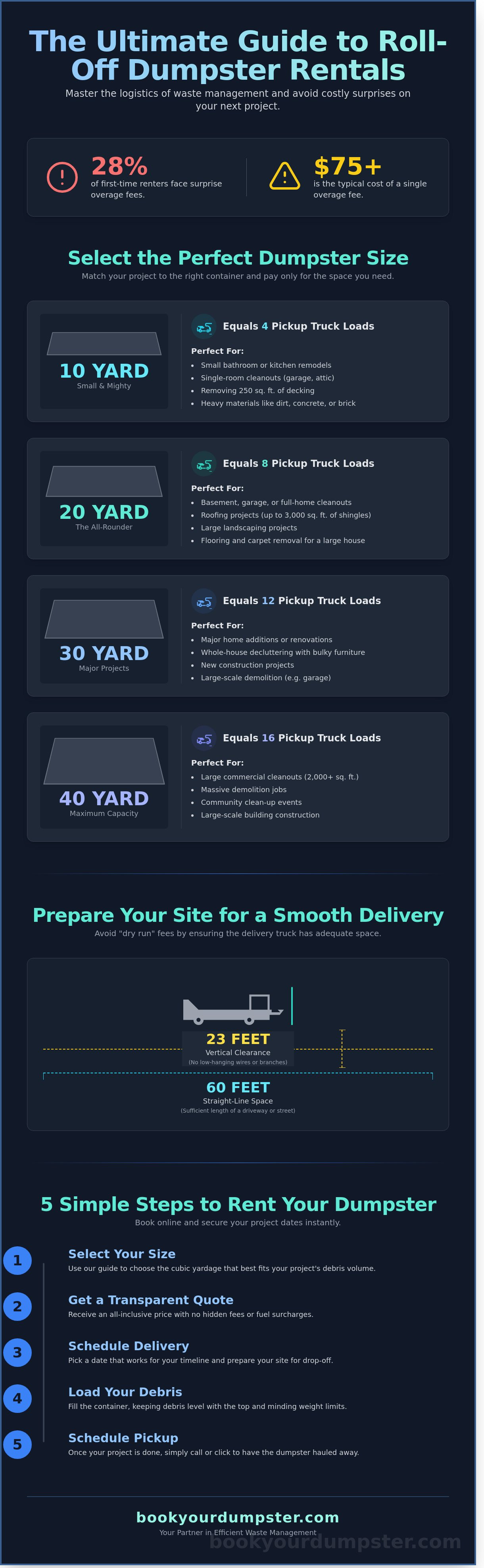
Delivery requires significant physical clearance. A specialized truck needs 60 feet of straight-line space and 23 feet of vertical clearance to operate the hydraulic hoist. Most units include a "swing-open" door on the rear. This feature lets you walk heavy items like cast-iron tubs or old refrigerators directly into the container. Most providers price these rentals per haul or per 7-day period. At Book Your Dumpster, we focus on transparent pricing so you avoid the 15% fuel surcharges common in the industry. Book your dumpster today to keep your job site moving without delays.
Selecting the Perfect Dumpster Size for Your Project
Choosing the right roll off dumpster rental depends on two specific factors: volume and weight. Standard containers come in four primary sizes: 10, 20, 30, and 40 cubic yards. These numbers represent the total volume of waste the bin can hold. If you choose a bin that is too small, you will face the logistical headache of a second haul. If you go too large, you are paying for empty space. Efficiency starts with an accurate estimate of your debris.
Cubic Yardage and Weight Limits Explained
A cubic yard is a unit of volume measuring 3 feet wide, 3 feet long, and 3 feet high. To visualize this, think of a standard kitchen stove; it occupies roughly one cubic yard of space. While volume tells you how much room you have, it does not account for the density of your materials. A 10-yard bin filled with household junk is light, but that same 10-yard bin filled with concrete or dirt will reach its weight capacity quickly. Weight limits represent the maximum tonnage allowed by the truck and local road regulations.
Before you start tossing items, consider your disposal strategy. Professional contractors often follow a construction waste management plan to separate heavy materials from light debris. This practice prevents your roll off dumpster rental from exceeding legal road weights, which can result in significant fines. Always match the size to the material weight, not just the physical space it occupies.
Matching Sizes to Common Projects
Visualizing cubic yards can be difficult. To make it easier, compare these bins to the bed of a standard full-size pickup truck, which typically holds 2.5 cubic yards when filled level with the top. Use these benchmarks to guide your decision:
- 10-Yard Dumpster: Holds 4 pickup truck loads. This size is perfect for small bathroom remodels or removing 250 square feet of old decking. It is also the go-to choice for heavy materials like dirt or brick.
- 20-Yard Dumpster: Holds 8 pickup truck loads. Use this for basement cleanouts or 3,000 square feet of roof shingles. It offers the best balance for most residential DIY projects.
- 30-Yard Dumpster: Holds 12 pickup truck loads. This is the standard for major home additions or whole-house decluttering projects involving bulky furniture.
- 40-Yard Dumpster: Holds 16 pickup truck loads. Reserve this for 2,000 square foot commercial cleanouts or massive demolition jobs where volume is the primary concern.
Don't let your project stall because of poor planning. Once you have estimated your debris volume, select your container size and schedule your delivery to keep your site clear and safe.
Preparing Your Site for a Safe Dumpster Delivery
Proper preparation ensures your roll off dumpster rental arrives on schedule without unexpected costs. You're responsible for clearing the path before the truck pulls up. If a driver cannot safely drop the container due to obstacles, you'll likely face a "dry run" fee. These charges often range from $150 to $200 depending on your location. Communicate clearly where you want the bin placed. Mark the spot with orange cones or chalk to remove any guesswork for the driver.
Space Requirements and Vertical Clearance
A standard delivery truck requires 60 feet of linear space to roll the container off the hoist. This is roughly the length of four mid-sized cars parked end-to-end. You also need to account for vertical clearance. Trucks must raise their beds to nearly 23 feet to slide the dumpster off. Check for low-hanging power lines, cable wires, or tree limbs that might snag the equipment. For narrow driveways or alleyways, ensure the driver has at least 10 feet of width to maneuver. If your street is narrow, move your own vehicles to the opposite side to provide a wider turn radius for the truck.
Protecting Your Property and Driveway
The most common concern is whether a heavy steel bin will crack your concrete. While most driveways are built to hold the weight of a vehicle, the concentrated pressure points of a dumpster can cause surface scratches or small fractures. Use the "plywood method" to mitigate this risk. Place two 4x8 sheets of 3/4-inch thick plywood on the ground where the dumpster's rollers will land. This simple step distributes the weight across a larger surface area and protects your property from scrapes.
If you plan to place the bin on a public street, check local regulations first. For example, many municipalities have specific guidelines that dictate where containers can sit and which materials are restricted. Always choose level ground. Placing a roll off dumpster rental on a steep incline is dangerous for the driver during pickup and can cause the bin to shift as it's loaded with heavy debris.
Pre-Delivery Checklist
Review this list 24 hours before your scheduled delivery time to ensure a seamless experience:
- Move all vehicles out of the driveway and away from the street access point.
- Trim back tree branches that sit lower than 23 feet.
- Provide gate codes or keys to the dispatcher if the site is fenced.
- Clear away bikes, lawn ornaments, and loose debris from the drop zone.
- Confirm the ground is firm; avoid soft soil or muddy areas that could cause the truck to sink under the weight of the load.
The 5-Step Process to Renting Your Dumpster Online
Renting a dumpster shouldn't be a complicated logistics puzzle. Our digital platform simplifies the transition from a cluttered site to a clear plan. Follow these five steps to secure your roll off dumpster rental and keep your project on schedule.
- Step 1: Identify your debris and volume. Determine if you're hauling "clean" heavy debris like concrete or mixed household junk. A 15-yard container typically holds 2 to 3 tons of material, which is roughly equivalent to six pickup truck loads.
- Step 2: Book your container. Use the online interface to select your required size and choose a delivery date. Aim for a date at least 24 hours before you plan to start heavy labor.
- Step 3: Review the quote. Check the line items for transparency. Every quote includes the rental period, weight limit, and haul-away service. We guarantee no hidden fees at checkout.
- Step 4: Prepare the site. Clear a path for the truck. You need 60 feet of linear space and 23 feet of vertical clearance to safely drop the container.
- Step 5: Schedule your pickup. Don't wait for the container to overflow. Once you've reached the fill line, log in and request a haul-away.
Understanding Pricing and Avoiding Extra Fees
Transparent pricing depends on four components: delivery, pickup, tonnage, and the rental duration. Most 20-yard rentals include a 3-ton weight limit. If you exceed this, you'll encounter overage fees, which typically range from $65 to $100 per additional ton based on local landfill rates. Avoid trip fees by ensuring the drop-off zone is accessible. A $150 dry run fee applies if a parked car or locked gate prevents our driver from placing or pulling the bin.
Scheduling and Delivery Logistics
Efficiency starts with timing. Book your roll off dumpster rental 48 hours in advance to ensure your specific size is in stock. You don't need to be present for the delivery if you've provided clear instructions and cleared the area. Standard rental periods last 10 to 14 days, but flexibility is built into the service. If your renovation takes longer than expected, you can extend your rental for a flat daily rate of $15 to $25. This keeps your site clean without the pressure of a ticking clock.
Ready to clear your site? Book your dumpster online today and get an instant quote for your project.
Maximizing Your Rental: Loading Rules and Pickup Procedures
Efficiency starts the moment the truck drops the container. Open the rear swing-door immediately. This allows you to walk heavy items like appliances or bulky furniture directly into the unit. You'll save your back and utilize the floor space better. Place large, flat items like drywall sheets or old flooring at the bottom first. This foundation prevents large gaps and keeps the load stable. By stacking items tightly, you ensure you're getting the most value out of every cubic yard.
Follow the "water level" rule strictly. Never stack debris higher than the top rim of the container. If materials protrude, the driver cannot legally secure the safety tarp for transport. This leads to a refused pickup and a dry-run fee, which typically ranges from $75 to $150 depending on your location. Once your roll off dumpster rental is full, contact the office. We don't track your progress automatically. Schedule your pickup at least 24 hours in advance to ensure a timely removal from your job site or driveway.
Prohibited Items and Disposal Regulations
Landfills enforce strict rules on what they accept. You cannot put tires, lead-acid batteries, wet paint, hazardous chemicals, or electronics into the bin. These items contain toxins like mercury or lead that require specialized recycling facilities. If a driver spots these during pickup, they'll leave the bin behind. You'll face a contamination fine, often starting at $100 per prohibited item. Check your local 2024 municipal guidelines for nearby e-waste drop-off centers to handle these pieces separately.
Efficient Loading Techniques to Stay Under Weight
Air pockets are your enemy. They waste the volume you paid for and can lead to uneven weight distribution. Break down old sofas, chairs, and cabinets into smaller pieces. This fills the voids and keeps the total weight manageable. Always spread heavy materials like brick or dirt evenly across the floor rather than piling them in one corner. An unbalanced load creates a tipping hazard for the truck during the 10-minute winching process. Proper weight distribution ensures the roll off dumpster rental stays within its rated capacity, avoiding overage charges that can cost $65 per ton.
Ready to clear the clutter? Book your dumpster now with Book Your Dumpster USA.
Simplify Your Waste Management Today
Effective waste management doesn't have to be a source of stress for your next project. By selecting the correct container size and following our site preparation guide, you eliminate 90% of common delivery delays. Our national logistics network ensures your roll off dumpster rental arrives on schedule, regardless of your location. We've modernized the process with transparent pricing that features $0 hidden fees, ensuring your budget stays intact from start to finish.
You don't have time for outdated rental processes or long phone queues. Our streamlined online system allows you to complete your entire booking in under 5 minutes. We handle the heavy lifting and the logistical coordination, letting you focus on the actual work at hand. It's the most efficient way to turn a mountain of debris into a clean, manageable workspace without the typical industry headaches.
Choose your size and book your dumpster online today
Let's get your site cleared and your project moving forward.
Frequently Asked Questions
How much does a roll off dumpster rental cost on average?
National averages for a roll off dumpster rental range from $290 to $610 per week. Your total price depends on the container size, your specific zip code, and the weight of your debris. A 10-yard bin typically costs $300 while a 40-yard unit averages $780. We provide flat-rate pricing to ensure you don't see hidden fees on your final bill.
What items are not allowed in a roll off dumpster?
You can't dispose of hazardous materials, wet paint, tires, or lithium batteries. Local regulations in 100 percent of service areas prohibit chemicals and flammable liquids to prevent environmental damage. If you toss these items, the landfill will reject the load and apply a $150 contamination fee. Stick to household junk, construction debris, and yard waste for a smooth experience.
How long can I keep the dumpster on my property?
Standard rental periods usually last 7 to 14 days. If your project runs long, you can extend your rental for a daily rate of $10 to $25. Just call us 24 hours before your scheduled pickup to adjust the timeline. This flexibility helps you finish your cleanup without rushing through the labor. We'll pick it up as soon as you're ready.
Do I need a permit to put a dumpster on the street?
You need a right-of-way permit if the container sits on a public street or sidewalk. These permits usually cost between $25 and $100 depending on your city's local ordinances. If you place the unit on your private driveway, you won't need any special paperwork. Check with your local public works department to secure a permit at least 3 days before delivery.
What size dumpster do I need for a 2,000 square foot roof replacement?
A 2,000 square foot roof replacement requires a 10-yard or 15-yard dumpster. Shingles are heavy, and 20 squares of asphalt shingles weigh approximately 5,000 pounds. A 10-yard container handles this weight easily while fitting into a standard parking space. If you're tearing off 2 layers of shingles, book a 20-yard unit to accommodate the 10,000 pound total weight safely.
Can I put the dumpster on my lawn if my driveway is too small?
We don't recommend placing dumpsters on grass because the weight causes soil compaction and ruts. A loaded 20-yard bin can weigh over 10 tons, which will sink into soft turf immediately. If your driveway is too small, place 4-by-8 foot sheets of 3/4-inch plywood on the lawn to distribute the weight. This protection reduces the risk of permanent landscape damage during your project.
What happens if I overfill the dumpster or exceed the weight limit?
Exceeding the weight limit results in an overage fee of $50 to $100 per additional ton. If debris is piled above the rim, our drivers can't legally transport the load due to safety regulations. You'll have to remove the excess material and pay a $150 trip fee for the attempted pickup. Always keep your waste level with the top of the bin to avoid these costs.
Is same-day delivery available for roll off dumpsters?
Same-day delivery is available in 15 percent of cases, but you should typically book 24 to 48 hours in advance. Scheduling early ensures your roll off dumpster rental arrives exactly when your crew starts working. For the best results, use our online booking tool to reserve your size at least 2 days before your project begins to guarantee your preferred delivery time.