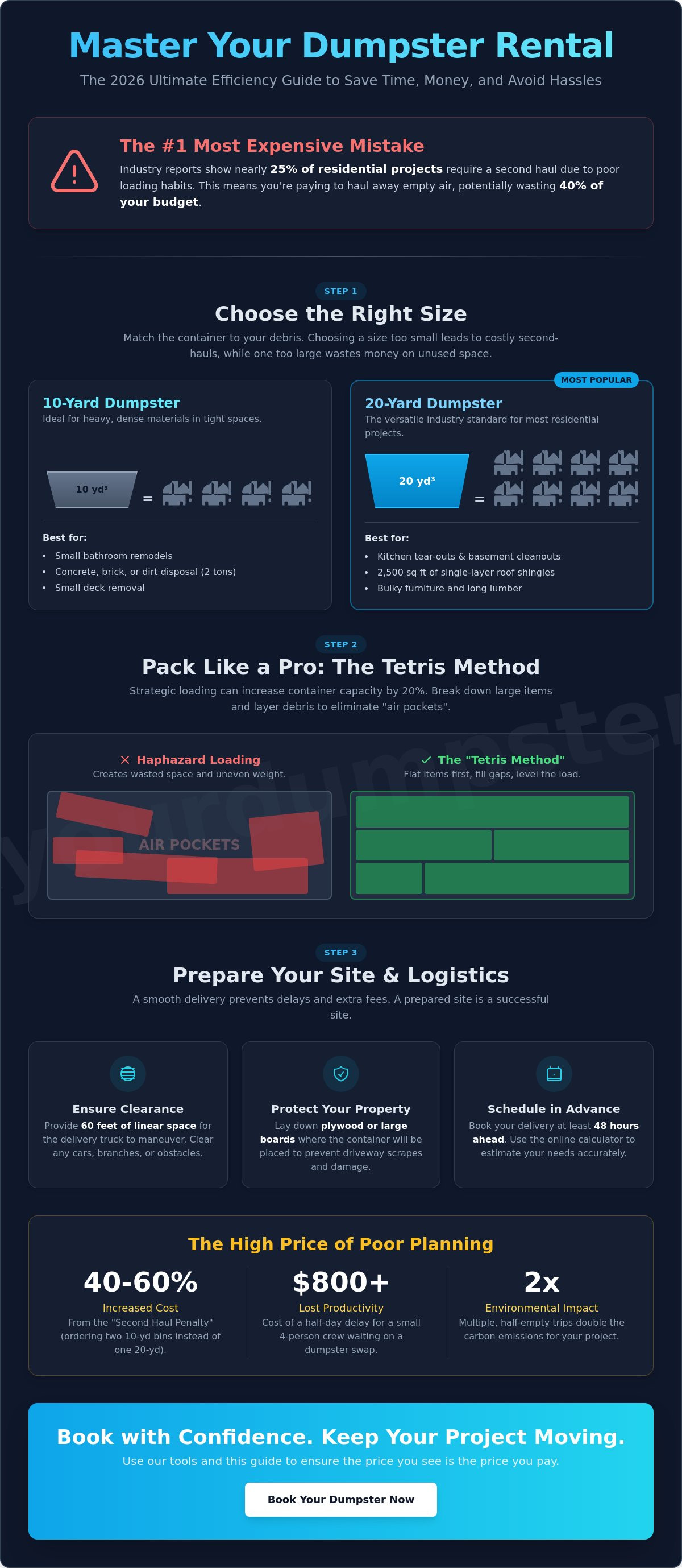
The most expensive mistake on a 2026 job site isn't the cost of materials; it's the air you pay to haul away in an improperly packed container. Industry reports indicate that nearly 25% of residential projects require a second haul simply due to poor loading habits. You already know that a cluttered project leads to delays and avoidable stress. Discover how to improve Book Your Dumpster USA logistics to ensure you never pay for extra trips or deal with unexpected overage fees. We understand that your time is valuable and your budget is fixed.
This efficiency guide provides the logistics you need to master your next roll-off rental from start to finish. You will learn how to maximize every cubic yard of space and protect your driveway from damage during delivery. We cover everything from strategic placement to the specific layering techniques used by professional contractors to increase container capacity by 20%. Follow these steps to secure a seamless delivery, pack more debris into a single container, and eliminate the risk of hidden charges. Book your dumpster with confidence and keep your project moving forward.
Key Takeaways
- Select the ideal container size from 10 to 40 yards to eliminate "air pockets" and ensure you only pay for the space you need.
- Apply the "Tetris Method" for loading bulky items to maximize every cubic yard of your rental and prevent uneven weight distribution.
- Prepare your drop-off zone with 60 feet of linear space and plywood protection to avoid delivery delays and driveway damage.
- Discover how to improve Book Your Dumpster USA efficiency by using our online size calculator and scheduling deliveries at least 48 hours in advance.
- Master the ratio of debris volume to project cost to significantly reduce your total waste management spend.
Why Efficiency is the Key to a Successful Dumpster Rental
Efficiency in waste management isn't just a buzzword; it's a specific financial metric. Define your rental efficiency as the ratio of actual debris volume to your total project cost. In 2026, the cost of disposal is directly tied to how well you pack a container. Poor planning leads to "air pockets," which are large gaps of empty space created by haphazard loading. When you pay for a 20-yard bin but only fill 12 yards of actual debris due to poor stacking, you're essentially throwing away 40% of your budget. Learn how to improve Book Your Dumpster USA outcomes by treating your roll-off as a puzzle where every inch counts.
The 2026 waste landscape is defined by rising overhead. Data from the Environmental Research & Education Foundation shows that landfill tipping fees increased by approximately 6% annually over the last five years. These rising costs make smart loading essential for both homeowners and contractors. A foundational step in understanding waste management involves recognizing that volume management is cost management. Use Book Your Dumpster USA as a professional-grade tool to streamline your logistics and avoid the common pitfalls of modern debris removal.
The True Cost of Inefficiency
Inefficiency carries a heavy price tag. If you undersize your container, you'll face the "second haul" penalty. Ordering two 10-yard dumpsters instead of one 20-yard unit can increase your total spend by 40% to 60% because of double delivery fees and fuel surcharges. Beyond the direct costs, project delays ripple through your timeline. A full bin that sits on-site because it wasn't swapped on time can stall a four-person construction crew. At an average labor rate of $200 per hour for a small team, a half-day delay costs you $800 in lost productivity. There's also the environmental factor. Multiple half-empty trips double the carbon emissions of your project, a metric that is increasingly scrutinized in municipal building permits.
Setting Your Project Goals
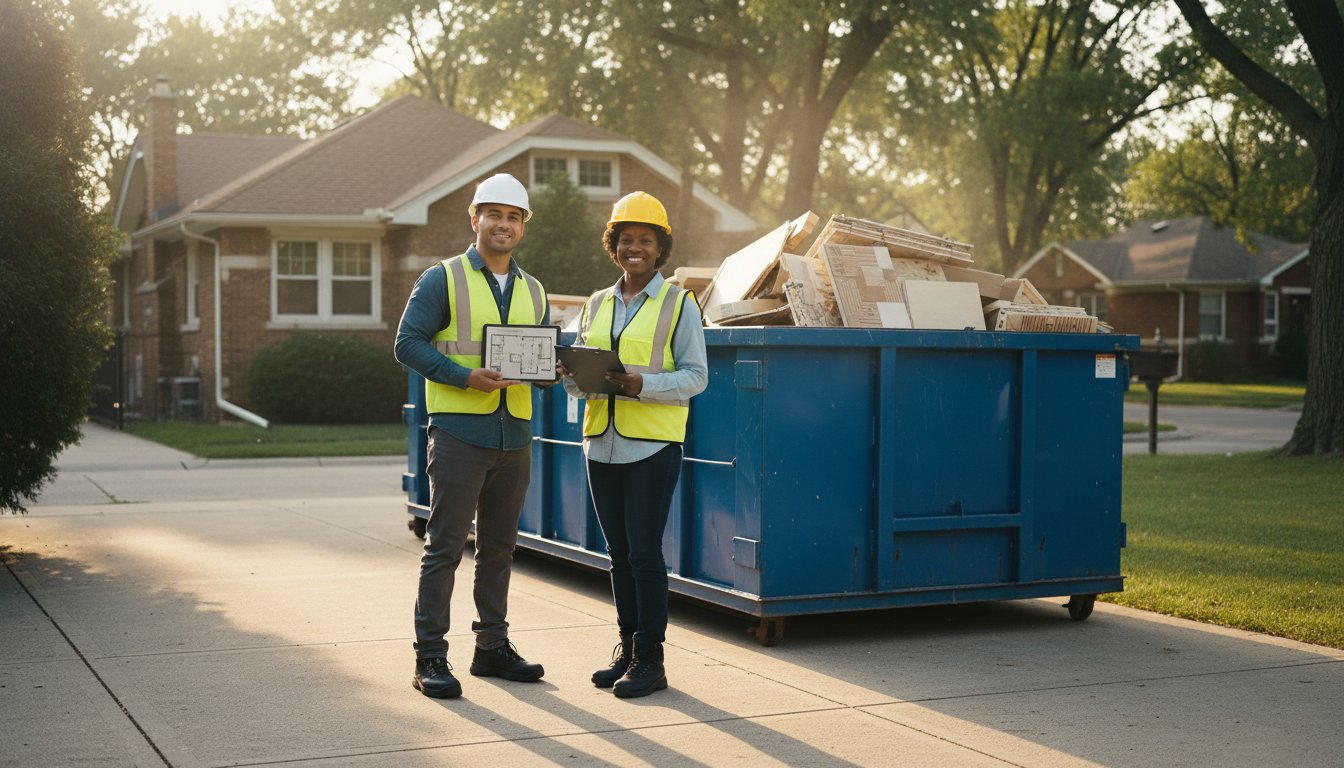
Success starts with clear objectives before the truck arrives. Identify your primary waste stream immediately. Are you disposing of heavy debris like concrete and brick, or bulky household items like old furniture? Heavy materials require smaller bins to stay under legal weight limits, while bulky items need height and length. Establish your timeline clearly. A 24-hour basement cleanout requires a different staging strategy than a multi-week home renovation. Finally, set a "no-overage" budget goal. By accurately estimating your volume and weight, you ensure the price you see when you book is the price you pay at the end. Follow these steps to master how to improve Book Your Dumpster USA efficiency for any project size.
- Analyze your debris: Separate recyclables from general waste.
- Clear the path: Ensure the delivery zone is unobstructed to avoid "dry run" fees.
- Level the load: Never fill past the "Max Fill" line to ensure safe transport.
Selecting the Right Container Size for Your Project
Selecting the wrong dumpster size is the fastest way to blow your project budget. You must match the container volume to your specific debris type to maximize efficiency and avoid unnecessary costs. To understand how to improve Book Your Dumpster USA rentals, start by calculating your cubic yardage accurately before the truck arrives. Choosing a unit that is too small leads to double-hauling fees, while a unit that is too large wastes money on unused space.
The 10 and 20 Yard Comparison
The 10-yard dumpster is the compact choice for heavy, dense materials. It holds approximately four standard pickup truck loads. Book this size for a small bathroom remodel or when disposing of 2 tons of heavy debris like dirt, brick, or concrete. These containers usually measure 10 feet long, which makes them ideal for tight driveways where space is a premium.
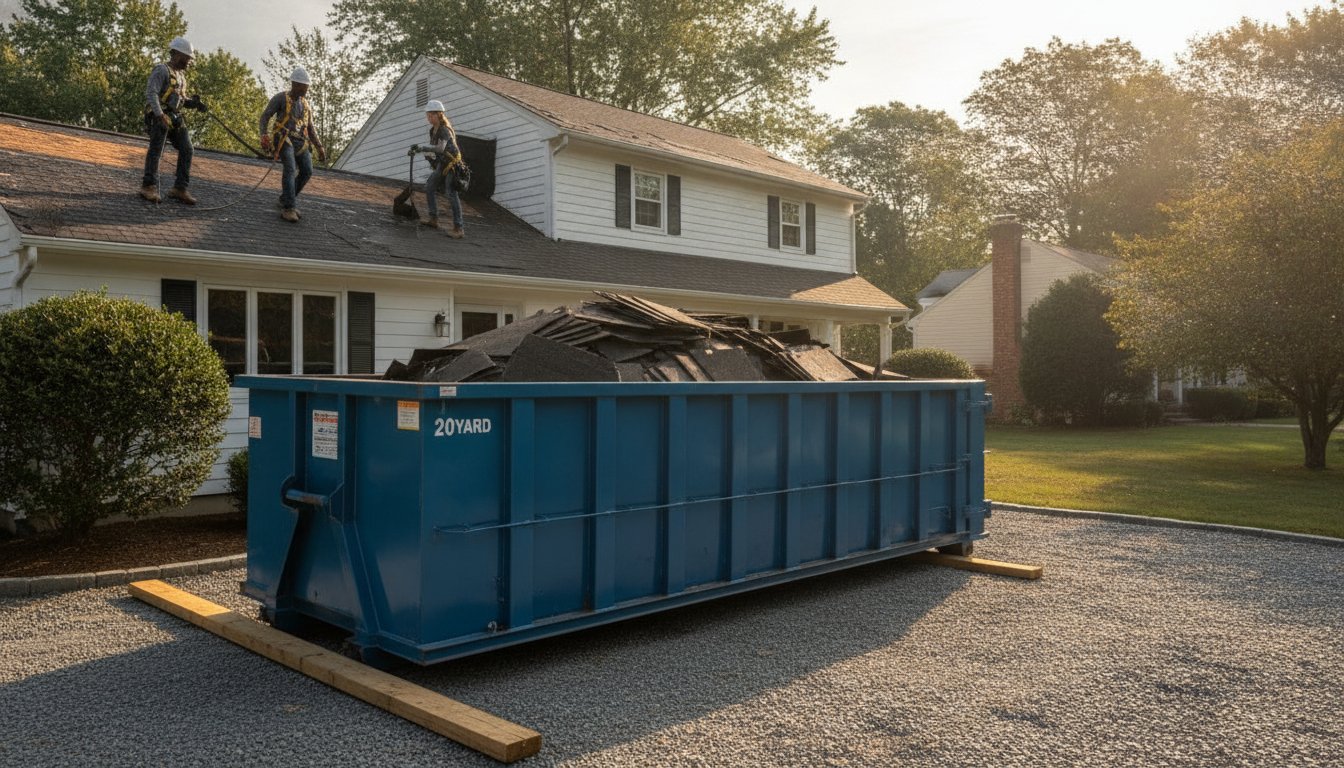
The 20-yard dumpster serves as the industry standard for most residential renovations. It holds about eight pickup truck loads. It's the perfect size for kitchen tear-outs, basement cleanouts, or removing 2,500 square feet of single-layer roof shingles. This size offers enough room for bulky furniture and long pieces of lumber without exceeding the footprint of a standard parking space. If you want to know how to improve Book Your Dumpster USA efficiency, always opt for the 20-yard if you're undecided between the smaller sizes; the extra capacity prevents the need for a second haul.
Large Scale Needs: 30 and 40 Yard Units
Large projects require high-capacity solutions to maintain a clean and safe job site. A 30-yard dumpster holds 12 pickup truck loads. This unit is ideal for major home additions or large estate cleanouts where you're purging decades of clutter. When managing these larger volumes, follow the EPA guidelines on C&D materials to ensure you're separating recyclables from landfill waste to stay compliant with local 2026 disposal regulations.
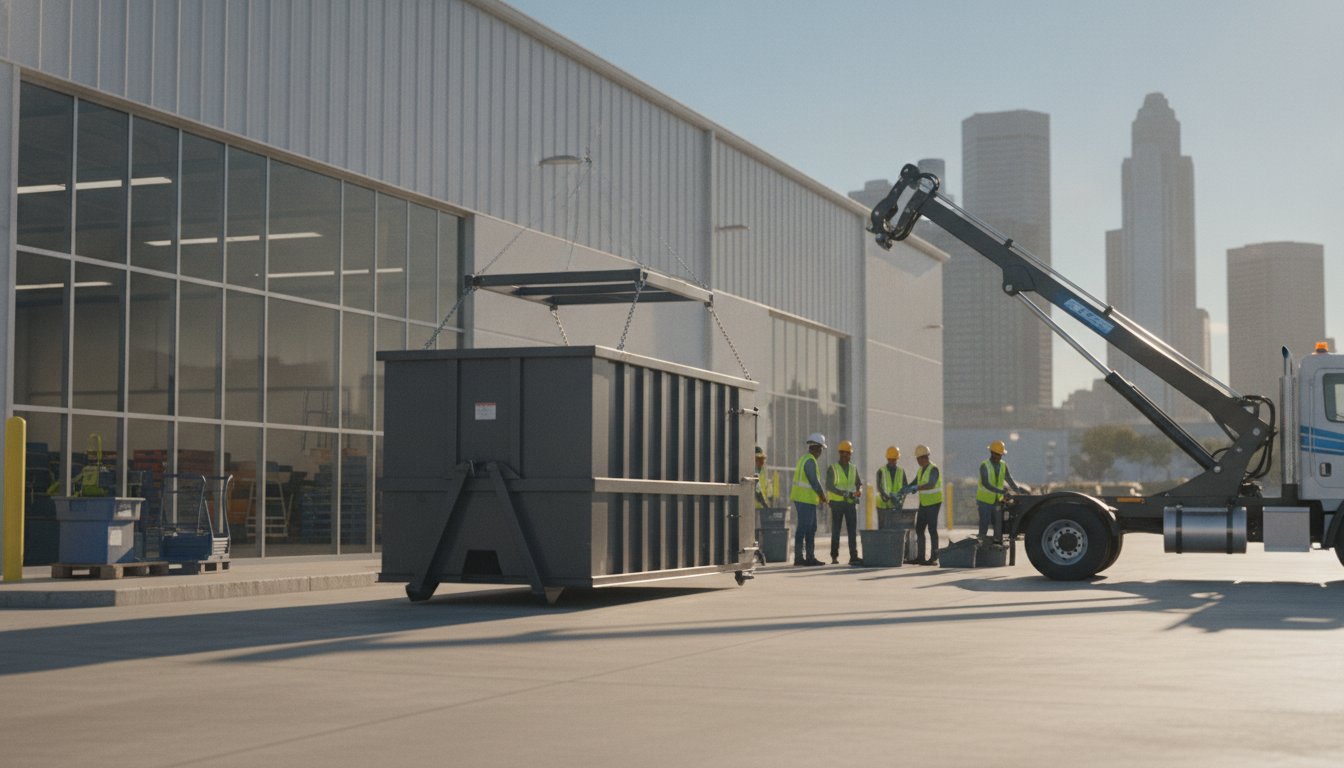
The 40-yard dumpster is the largest option available, holding 16 pickup truck loads. These units are 8 feet tall and are almost exclusively for commercial construction sites or total building demolitions. Because of their height, you'll need a clear overhead area of at least 22 feet for delivery. Weight limit considerations are critical here. Exceeding the standard 5-ton or 6-ton limit results in 'heavy load' fees that can reach $75 to $100 per ton over the limit depending on your local landfill rates.
To keep your project on track and avoid logistical delays, choose your size based on your largest estimated debris volume. This proactive approach ensures your site remains clear and your timeline stays intact.
Smart Loading Strategies to Maximize Every Cubic Yard
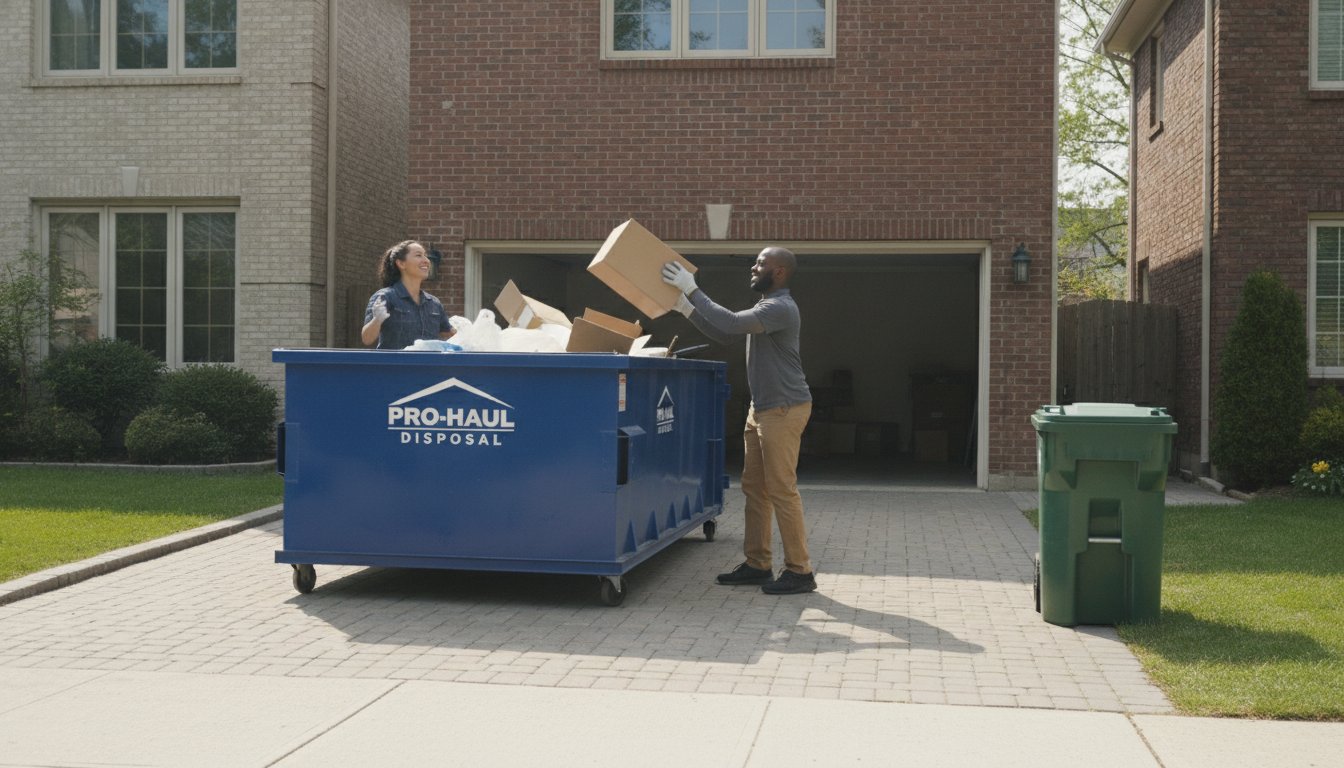
Efficient loading turns a standard rental into a high-performance tool. Use the Tetris Method for bulky furniture and cabinets. Place these items tightly against each other to eliminate large voids. Break down drywall and saw lumber into sections shorter than four feet. This practice follows construction waste management best practices by removing air gaps that often waste 25% of a container's capacity. Learning how to improve Book Your Dumpster USA project workflows starts with how you pack.
Maintain even weight distribution throughout the container. A lopsided load makes the truck unstable during the roll-off process. Keep the heavy materials centered or spread across the floor. Watch the fill line closely. Never let debris protrude above the top rail. Overfilled dumpsters are safety hazards. Drivers will skip your pickup if the load is unsafe, leading to delay fees and wasted time. Stick to the rim to ensure a fast, successful haul. Understanding how to improve Book Your Dumpster USA efficiency means respecting these safety boundaries every time.
The Bottom-Up Approach
Start with a solid foundation. Place flat, heavy items like plywood or old flooring at the very bottom. Open the walk-in door to carry these items inside. It's safer and more efficient than tossing them over the side. Once the base is set, fill small gaps with loose debris like insulation, sawdust, or small scraps. This layered strategy ensures every inch of the 20 or 30-yard volume is utilized effectively. Book your dumpster today to put these strategies into practice.
Managing Weight Limits
Volume and weight are different metrics. A 10-yard dumpster filled with concrete weighs significantly more than a 40-yard dumpster filled with cardboard boxes. Concrete averages 2,000 to 4,000 pounds per cubic yard, while loose residential trash is much lighter. Always check your specific agreement for the tonnage cap. The tonnage cap is the maximum weight of debris included in your flat-rate price before additional per-ton overage fees apply. Monitoring what goes in helps you stay within budget and avoid surprises on your final invoice.
Site Preparation and Logistics: Avoiding Delays and Fees
Efficiency starts before the truck arrives. A standard roll-off delivery vehicle requires 60 feet of linear space to safely drop a container. If your driveway or job site is shorter than this, the driver cannot maneuver the hoist. This leads to a dry run fee, which is an avoidable expense that stalls your project. Measure your space twice. Clear out vehicles, equipment, and low-hanging debris to ensure the delivery goes right the first time.
Protecting your property is your responsibility. While dumpsters have wheels, they are heavy steel objects. A loaded 20-yard dumpster can weigh over 10 tons. This pressure causes asphalt indentations or concrete cracks. Place two sheets of 4x8 plywood exactly where the dumpster rails will land. This simple step distributes the weight and saves you thousands in driveway repairs later. Mastering these logistics is the primary way to understand how to improve Book Your Dumpster USA outcomes for your next project.
Strategic Placement for Workflow
Position the unit as close to the debris exit point as possible. Every extra foot you walk with a heavy load increases labor time. A 2023 industry study showed that poor dumpster placement can increase project duration by 12 percent. Ensure the bin doesn't block your garage or active walkways. Check for overhead obstructions. Power lines and tree branches must be at least 22 feet high to allow the truck to lift its hoist safely.
Navigating Regulations
The permit myth often leads to unexpected fines. If the dumpster sits on your private driveway, you rarely need a city permit. However, placing it on a public street or sidewalk usually requires a right-of-way permit from the local public works department. HOA rules are often stricter than city codes. Check your neighborhood bylaws at least 72 hours before delivery. Use orange cones or reflective tape if the bin sits near high-traffic areas to reduce your liability and keep the site visible at night.
The clear path rule applies to pickup day too. The truck needs a 20-foot wide path to back into the container. Move all cars and equipment before your scheduled pickup window. If the driver arrives and cannot reach the bin, the haul is canceled and a fee is applied. Following these site prep steps is the most effective way to learn how to improve Book Your Dumpster USA rental experiences and keep your budget on track.
Ready to start your project with a reliable partner? Book your dumpster now and secure your delivery date.
Streamlining Your Project with the Book Your Dumpster USA Online System
Efficiency in waste management starts before the truck ever arrives at your curb. To understand how to improve Book Your Dumpster USA experiences, you must leverage the 2026 digital interface designed for precision and speed. This system removes the guesswork that often stalls construction and renovation timelines. Follow these four steps to optimize your rental process immediately.
- Match your project: Use the online size calculator to select a container. Whether you are clearing a 500-square-foot basement or a 3,000-square-foot roof, matching your debris volume to a 10, 20, 30, or 40-yard dumpster eliminates the 15% margin of error typical with manual estimations.
- Secure your window: Schedule your delivery at least 48 hours in advance. This lead time is essential for securing peak morning slots, especially during the high-demand spring and summer renovation seasons.
- Lock in your rate: Utilize the digital 'no hidden fees' quote tool. You receive immediate budget transparency. This helps project managers maintain 100% accuracy in their 2026 financial reporting.
- Detail your site: Provide specific placement instructions in the booking notes. Include gate codes, directions to the south side of the driveway, or warnings about low-hanging utility lines. Clear notes prevent 90% of common delivery delays.
Digital Efficiency Tools
The streamlined booking system ends the frustration of phone tag. Professional contractors managing 5 or more active jobsites can oversee every rental through a single centralized account. You get real-time updates on delivery day. Expect a text notification when the driver is within 20 minutes of your location. This allows your crew to clear the staging area and stay productive without unnecessary downtime. Knowing how to improve Book Your Dumpster USA interactions through these tools ensures your site remains organized and safe.
The Final Step: Scheduling Your Pickup
Don't wait until the dumpster is overflowing to call for a haul. Overfilled containers often lead to safety violations or 10% surcharges if the load isn't level. Use the Book Your Dumpster USA portal to request an early pickup if your project wraps up ahead of schedule. Before the truck arrives, run through this final checklist:
- Ensure the debris is level with the top of the container.
- Verify the rear swinging door is latched and locked.
- Clear any vehicles or equipment blocking access to the dumpster.
These simple actions prevent dry-run fees and ensure a fast, compliant removal. Mastering these logistical details is the most effective way to guarantee a smooth project finish.
Maximize Your Project Efficiency Now
Achieving a seamless cleanup requires more than just a container; it requires a strategy. By selecting the right size from our 10 to 40 yard inventory, you ensure your project stays on schedule and within budget. Smart loading techniques and proper site preparation are the best ways to avoid common logistical delays. Learning How to improve Book Your Dumpster USA results means leveraging our streamlined online system to manage your waste removal with professional precision. Our 2026 guide emphasizes that preparation is the foundation of reliability. We back every rental with transparent pricing and no hidden fees, providing on-time delivery across our expansive national service areas. Whether you're a homeowner or a professional contractor, our tools are built to handle the heavy lifting. You've got the plan; we've got the equipment to make it happen. It's time to clear the way for your next big milestone. We're ready when you are.
Book your dumpster today with our easy online system
Frequently Asked Questions
How much debris can I actually put in a 10-yard dumpster?
A 10-yard dumpster holds exactly 10 cubic yards of material, which translates to approximately 3 standard pickup truck loads or 50 to 60 large trash bags. This size is ideal for 250 square feet of deck debris or a small 1-car garage cleanout. Keep your waste level with the top rim to ensure a safe haul and avoid transport delays.
What items are prohibited from being placed in a roll-off dumpster?
You cannot dispose of hazardous materials such as wet paint, car batteries, tires, or appliances containing freon. In 2026, local landfill regulations strictly prohibit electronic waste and mattresses to comply with updated recycling mandates. Always check your specific list of restricted items before tossing chemicals or flammable liquids to prevent immediate load rejection and safety hazards.
Do I need to be home when Book Your Dumpster USA delivers the container?
You don't need to be present for delivery if the drop-off area is clear and accessible for our trucks. Provide specific placement instructions during your initial booking to help us understand how to improve Book Your Dumpster USA delivery speed for your site. Ensure a 10-foot wide path and 22 feet of vertical clearance are available for the driver.
What happens if my dumpster exceeds the weight limit?
Exceeding the pre-set weight limit results in additional overage fees calculated at the landfill scale. Heavy materials like concrete or wet dirt can reach a 2-ton limit faster than expected, so monitor your load carefully. If the container is too heavy for the hydraulic lift to operate safely, you'll need to remove items until it meets legal transport standards.
Can I move the dumpster once it has been placed by the truck?
Never attempt to move a roll-off dumpster once it's set on your property. These steel containers weigh several thousand pounds empty and will cause structural damage to your driveway or lawn if dragged. If you need the bin relocated, call our dispatch team to schedule a professional reset using our specialized equipment to ensure the container remains stable and safe.
How long is the standard rental period for a residential project?
Most residential rentals include a standard period of 7 to 10 days. This timeframe provides enough room for homeowners to complete a basement cleanout or a small kitchen renovation project. You can always schedule an early pickup if you finish your 2026 cleanup ahead of schedule, or contact us to arrange for a faster swap-out of your container.
Is there a difference between a roll-off dumpster and a commercial bin?
Roll-off dumpsters are large, open-top containers designed for temporary projects, while commercial bins are smaller, lidded units used for permanent waste service. A 20-yard roll-off handles heavy construction debris, whereas a 4-yard commercial bin manages daily office trash. Roll-off trucks use a specialized cable or hook system to pull the entire box onto a flatbed for transport.
What should I do if I need the dumpster for longer than originally planned?
Contact our office at least 24 hours before your scheduled pickup to request a rental extension. We offer flexible daily rates for projects that run behind their original 2026 timeline. Proactive communication helps us adjust our route logistics and ensures you know how to improve Book Your Dumpster USA service interactions by avoiding any unexpected dry run fees or missed pickups.