
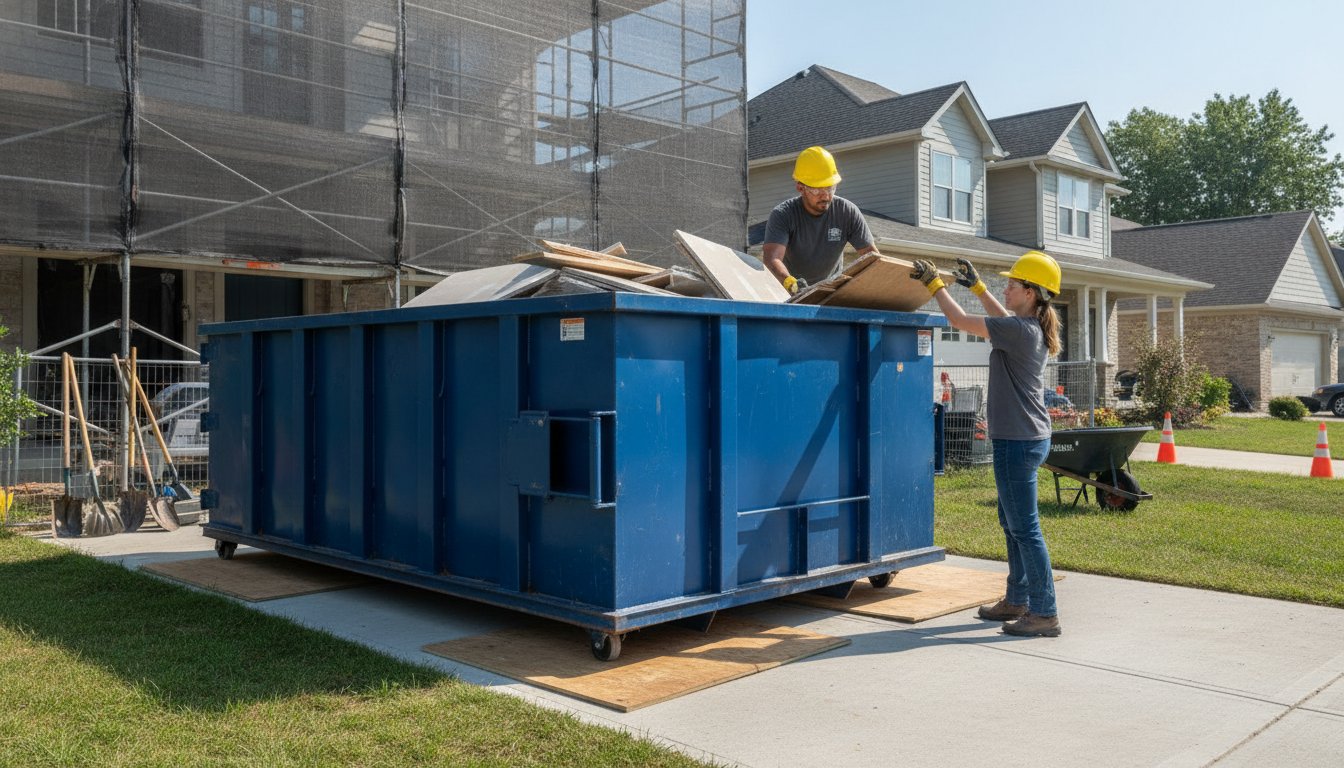
A 20-yard dumpster weighs several tons before you even toss in the first piece of debris. One wrong placement can crack your driveway or snag a power line in seconds. You want your cleanup project to be efficient, not a source of expensive property repairs or site injuries. It's natural to feel anxious about weight limits or overhead hazards when you're managing a heavy renovation or a commercial site. Following specific safety tips for using a roll off dumpster is the only way to ensure your project remains a success rather than a liability.
This guide provides the definitive checklist to help you master critical protocols, avoid property damage fees, and ensure a seamless waste removal process. You'll learn how to protect your surfaces, comply with OSHA Standard 1926.250 for material storage, and use the EPA's 2025 Hazardous Waste Information Platform to identify prohibited items. We'll walk you through site preparation, active loading rules, and final extraction management to keep your project on track and accident-free.
Key Takeaways
- Select a level, hard surface and verify vertical clearance to prevent the container from shifting or damaging your property during delivery and pickup.
- Master essential safety tips for using a roll off dumpster by utilizing the rear swinging door and distributing weight evenly for maximum stability.
- Avoid expensive overage fees and legal issues by identifying prohibited hazardous materials and hidden site dangers before you begin loading.
- Protect your crew and your project with specific PPE requirements and overnight security measures to prevent unauthorized access or wind-blown debris.
Preparing Your Site: Safe Placement and Clearance
Safe dumpster use begins before the truck arrives. You must select a level, hard surface for placement. A 30-yard dumpster can weigh over 10 tons when full; if placed on soft ground, it will sink or shift, creating a significant tipping hazard. Asphalt and concrete are ideal, but they still require inspection for cracks or weak spots. One of the most overlooked safety tips for using a roll off dumpster is checking for underground utilities. Septic tanks, sprinkler lines, and lateral sewer pipes often sit just below the surface and cannot withstand the concentrated pressure of a heavy steel container. Flag these areas clearly to ensure the driver avoids them.
Vertical clearance is equally critical. Delivery trucks need 22 to 25 feet of height to raise the hoist and roll the container off the rails. If your site has low-hanging obstacles, the driver cannot complete the drop-off safely. Understanding different Waste Container Types helps in planning your space, but for roll-off units, the overhead path must be completely clear. Always maintain a 10-foot buffer zone around the entire perimeter of the unit. This space allows workers to move freely without being pinned between the dumpster and a wall or vehicle during loading.
Navigating Urban Hazards: Wires and Narrow Spaces
Urban environments present unique logistical challenges. In dense areas like Queens or San Francisco, low-hanging power lines and tight alleyways are standard. Check for overhead wires and tree branches before scheduling your delivery. If you plan to place the unit on a public street in New York or Massachusetts, verify your local permit requirements first. Most cities require a specific 'Right of Way' permit to block street parking or sidewalks. Ensure the delivery path is clear of parked cars and pedestrian traffic to avoid delays or accidents during the drop-off process. This proactive approach is a core part of effective safety tips for using a roll off dumpster in high-traffic zones.
Street and Driveway Protection Strategies
Protecting your property is a priority. Never place a dumpster on fresh concrete that has not fully cured, as the weight will cause immediate structural failure. If you must use a residential driveway, lay down 2x4 boards or large plywood sheets to distribute the weight of the steel rollers. This prevents asphalt scarring and helps protect the surface from high-pressure contact points. For units placed near public walkways, place high-visibility safety cones at each corner. This simple step alerts pedestrians and drivers to the obstacle, reducing the risk of collisions after dark and keeping your job site secure.
Safe Loading Protocols: Preventing Injuries and Spills
Loading a container involves more than just tossing debris over the side. To maintain a safe job site, you must approach the process with a clear plan. One of the most effective safety tips for using a roll off dumpster is to utilize the rear swinging door for all heavy or bulky items. Lifting heavy objects over the side walls increases the risk of back strain and shoulder injuries. By walking materials directly into the unit, you maintain better control and reduce the likelihood of dropping items outside the container. Adhering to OSHA Waste Disposal Regulations ensures your site remains compliant and your crew stays protected from avoidable accidents.
Stability is the priority during the loading phase. Distribute your load evenly from the front to the back of the unit. If the weight is concentrated at one end, the truck may become unstable or lose traction during the pickup process. Keep all debris below the designated "fill line" marked on the side of the container. Items protruding above the rim can fall off during transport, creating lethal hazards for other drivers on the road. Never attempt to compact trash by jumping inside the dumpster. This is a leading cause of puncture wounds and falls. If you need to make more room, use a long tool to rearrange the debris from the outside.
Mastering the Swinging Door Safety
The rear door is a heavy piece of steel that requires careful handling. Before you unlatch the door, ensure the ground is completely clear of rocks, wood scraps, or dirt. Debris in the path of the door can cause it to bind or swing unexpectedly. Watch for pinch points around the hinges and the locking mechanism to avoid hand injuries. Never leave the door open and unattended, especially in residential neighborhoods where children or pets might enter the unit. Always secure the latch firmly once you finish loading for the day.
Weight Management for Heavy Materials
Heavy materials like concrete, brick, dirt, or asphalt require a specific strategy. These items are extremely dense and can easily exceed the legal road weight limits of a standard truck. Limit these materials to 10 yard dumpster rentals to ensure the unit remains transportable. Overfilling a container with heavy debris leads to immediate safety rejections during pickup because the truck's hydraulic system cannot safely lift the load. If you anticipate a high volume of heavy waste, coordinate with your provider to schedule multiple hauls. For your next large-scale project, rent a dumpster online to ensure you have the right equipment for the weight you expect to generate.
Prohibited Materials and Hazardous Waste Safety
Mixing hazardous materials into a standard container creates immediate danger for you and the haulers. Flammable liquids, lithium batteries, and tires must stay out of the unit. Batteries can spark and ignite dry debris like wood or cardboard; this leads to localized fires that are difficult to extinguish. Tires are prohibited because they trap methane gas and "float" to the top of landfills, which can damage heavy machinery. Consult our construction debris removal guide to see a full list of restricted items before you start loading.
Hidden hazards are common in older structures. In states like New Jersey or Massachusetts, renovation projects often uncover asbestos in floor tiles, insulation, or siding. Disturbing these materials without professional abatement releases toxic fibers into the air. Never toss suspected asbestos into a roll-off. If chemicals leak from a container, they can react with other waste or seep into the soil at your site. This causes massive environmental cleanup costs and legal penalties. Mastering these safety tips for using a roll off dumpster ensures your project stays on schedule and within budget.
Recognizing Prohibited Items
Standard dumpster services aren't equipped to handle toxic substances. You must identify and separate the following items before they enter the waste stream. Separating these materials is one of the most critical safety tips for using a roll off dumpster on any residential or commercial job site:
- Household Hazardous Waste: This includes wet paint, motor oil, pesticides, and pool chemicals.
- Electronic Waste (E-Waste): Computers, televisions, and monitors contain heavy metals like lead and mercury that require specialized recycling.
- Pressurized Tanks: Propane cylinders or fire extinguishers can explode under the pressure of other debris or during the compaction process.
What to Do If You Have Hazardous Waste
If you encounter hazardous materials, stop work and set them aside. Most cities provide dedicated municipal drop-off points for toxic waste. Check your local government website for the nearest facility. Always follow the "no-mix" rule for specialized containers. If you have a bin designated for concrete or clean fill, adding even a small amount of trash or hazardous material can result in the entire load being rejected or redirected to a more expensive processing center. Maintain total transparency with your rental provider. If you're unsure if a material is safe, ask before you toss it.
Personal Protective Equipment (PPE) and Worker Safety
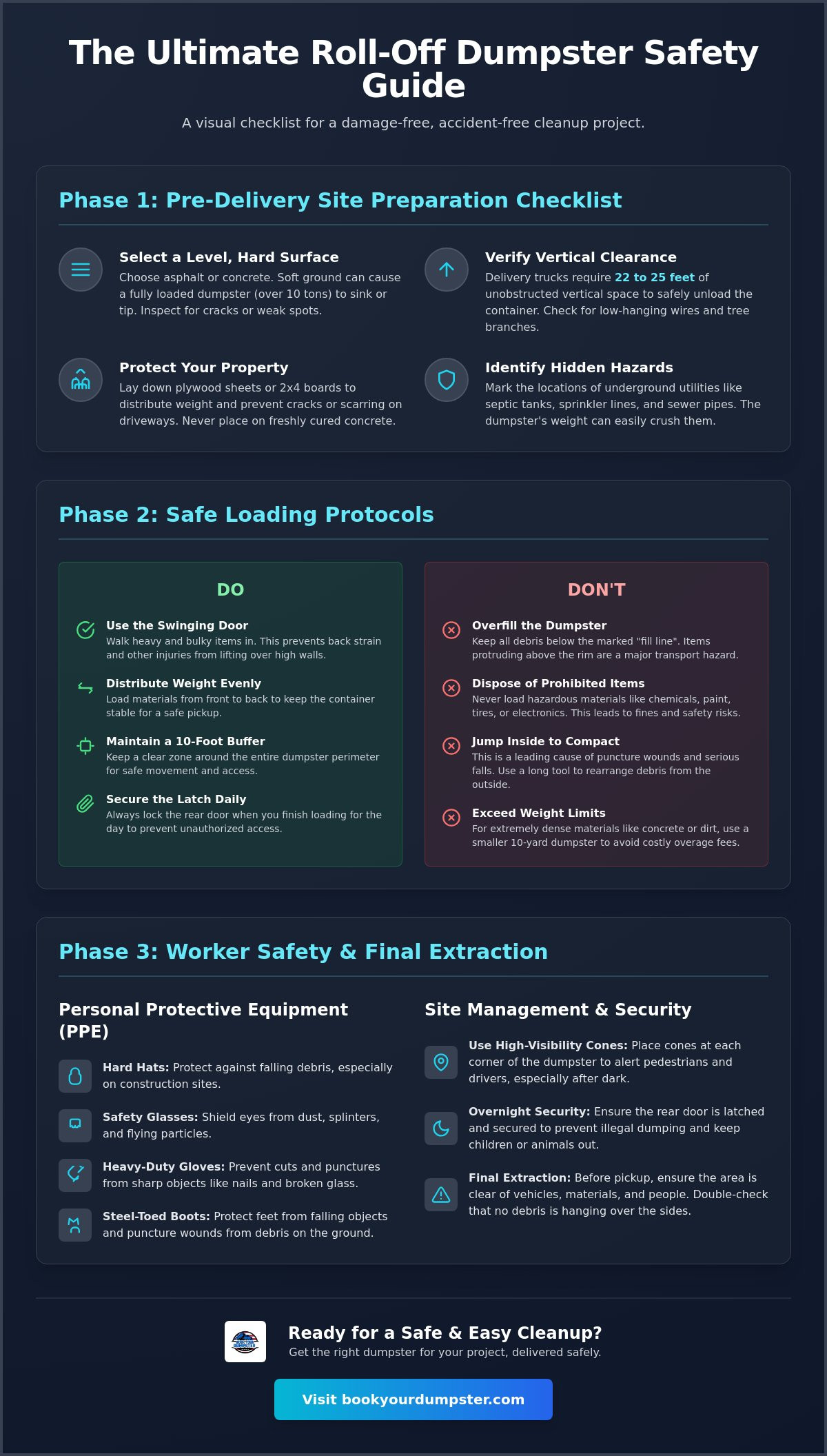
Debris is unpredictable and often hazardous. When you handle construction waste, you're dealing with jagged metal, shattered glass, and wood splinters. Standard garden gloves won't protect you from these risks. Wear heavy-duty, puncture-resistant gloves to prevent deep lacerations and infections. Steel-toed boots are equally vital. Demolition projects are filled with protruding nails and heavy objects that can easily crush or pierce standard footwear. These physical barriers are the first line of defense in your safety tips for using a roll off dumpster and should be treated as mandatory equipment for everyone on the site.
Vision and visibility are the next priorities. Tossing dry materials into a steel container creates a cloud of dust and flying fragments. Wear impact-resistant safety glasses to keep your eyes clear of grit and wood chips. If your project is located near a public roadway or if you are loading during low-light hours, wear a high-visibility vest. You must be clearly visible to passing motorists and the delivery driver during the pickup process. Proper gear ensures that a simple mistake doesn't turn into a permanent injury.
Ergonomic Lifting and Handling
Lifting heavy debris incorrectly is a primary cause of workplace strain. Never bend at the waist to pick up heavy objects; instead, bend at the knees and use your legs to power the lift. This protects your lower back from the sudden torque of a heavy load. Break down oversized items like cabinets, furniture, or large drywall sections into smaller pieces before you attempt to move them. For appliances or bulky materials that cannot be dismantled, always use a "buddy system." Two people can maneuver a heavy object through the rear swinging door much more safely than one person struggling alone.
First Aid and Emergency Preparedness
Minor cuts and abrasions are common on any job site, so keep a stocked first aid kit within reach of the dumpster. This kit should include sterile bandages, antiseptic wipes, and an emergency eye wash station. Ensure every member of your crew knows the exact location of the nearest medical facility. Communication is the final piece of the safety puzzle. Establish a clear protocol for when the truck arrives for pickup. Ensure all workers move at least 20 feet away from the unit before the driver begins the loading sequence. To ensure you have the right equipment for a safe and organized site, book your dumpster online and prepare your crew before the container arrives.
Site Management and Final Extraction
Once you finish loading your 20-yard or 30-yard dumpster, your safety responsibilities don't end. You must secure the site until the truck arrives for extraction. Use a heavy-duty tarp to cover the opening overnight. This prevents wind-blown debris from littering the neighborhood and discourages unauthorized people from tossing their own trash into your container. Illegal dumping is a common problem that leads to unexpected weight overages or hazardous material fines. Keep children and pets away from the unit at all times. A steel container isn't a playground; it's an industrial tool with sharp edges and unstable footing that can cause serious injury.
Schedule your pickup as soon as the project wraps up. Letting a full unit sit on-site increases the window for accidents or property damage. For detailed logistics on timing your haul and managing your site efficiently, refer to our roll off dumpster rental guide. Prompt removal ensures your driveway or job site returns to a safe, clear state quickly. Following these final safety tips for using a roll off dumpster will help you avoid the logistical stress of a delayed project conclusion.
Seasonal Safety: Weather Considerations
Weather plays a major role in site safety and can change your protocols instantly. If you're managing a project in Illinois or Massachusetts during the winter, clear all snow and ice from the area surrounding the unit. Drivers can't safely navigate slick surfaces, and your crew risks dangerous slips while carrying heavy loads. Use sand or salt to maintain traction on the ground around the loading area. In high-wind environments like San Francisco, a tarp is mandatory to prevent loose debris from shifting or flying out of the container. These seasonal adjustments are vital for maintaining a zero-injury job site.
The Final Walkthrough Before Pickup
Perform a final inspection before the driver arrives to ensure a seamless extraction. Walk around the unit and look for any items protruding from the sides or hanging over the top rim. If the load isn't level and secure, the driver may refuse the pickup to comply with road safety laws. Ensure the path for the truck is completely clear of equipment, parked vehicles, or low-hanging branches. Double-check that the rear door latch is fully engaged and locked before the truck hooks onto the unit. This simple walkthrough prevents pickup rejections and ensures your project ends without property damage or extra fees.
Secure Your Project Success Today
Mastering these safety tips for using a roll off dumpster transforms a high-risk logistical task into a controlled, efficient process. You now have the essential checklist to protect your property, prevent site injuries, and avoid the legal pitfalls of hazardous waste disposal. Success depends on proactive site preparation and disciplined loading protocols. By following these 2026 standards, you ensure a seamless cleanup without the stress of property damage or overage penalties. Safety isn't just a suggestion; it's the foundation of a professional job site.
Ready to clear the clutter with a partner you can trust? Book your 10, 20, 30, or 40-yard unit now. We offer online booking in under 2 minutes and maintain transparent pricing with no hidden fees. Our expert local support teams in NY, NJ, IL, MA, and SF are ready to facilitate your next project. Book Your Safe and Reliable Dumpster Today and experience a waste removal process designed for speed and reliability. Your clean job site is just a few clicks away.
Frequently Asked Questions
Can I move the roll-off dumpster once it has been delivered?
No. You should never attempt to move a dumpster with your own vehicle or heavy equipment after it is placed. Doing so can damage the container's rollers, buckle your driveway, or cause the unit to become unrecoverable for the delivery truck. If the initial placement is hindering your project, contact your provider to schedule a professional relocation service.
What happens if I overfill my dumpster past the top rail?
Drivers will refuse to pick up any container filled past the top rail because it is illegal and dangerous to transport an unsecured load. Debris protruding above the rim can fall into traffic during transit, creating a lethal hazard for other motorists. You will be responsible for removing the excess material and may face a "dry run" fee for the failed pickup attempt.
Is it safe to put a dumpster on a steep incline or hill?
No. Placing a heavy steel container on a steep slope creates a significant risk of the unit sliding or tipping during the loading process. A level, hard surface is required for stability. If your site is sloped, the driver will evaluate the area upon arrival and may require you to provide wheel chocks or choose an alternative flat location to ensure site safety.
Do I need to be present for the delivery or pickup for safety reasons?
You don't need to be present as long as the placement area is completely clear and instructions are specific. However, being on-site allows you to verify that the driver avoids underground utilities or overhead wires that might not be visible on a map. Ensure the path is clear of parked cars and equipment to allow the driver to work without obstruction.
How do I prevent people from throwing their trash in my rented dumpster?
Secure the top of the unit with a heavy-duty tarp and bungee cords when work is not actively occurring. This is one of the most effective safety tips for using a roll off dumpster because it prevents unauthorized items, like hazardous chemicals or flammable materials, from being hidden in your waste. Placing the unit in a well-lit area also discourages illegal dumping.
Can I put a dumpster on the street in New York City or Queens?
Yes, but you must obtain a permit from the New York City Department of Transportation (DOT) before the unit arrives. Street placement in dense areas like Queens requires strict adherence to permit durations and safety marking requirements. Without a valid permit, the city can issue heavy fines and order the immediate removal of the container at your expense.
What is the safest way to load heavy items like concrete or bricks?
The safest method is to open the rear swinging door and walk the heavy materials directly onto the floor of the container. Never attempt to hoist heavy masonry over the side walls, as this leads to back injuries and uneven weight distribution. Place these items flat and spread them across the bottom to maintain a low and stable center of gravity.
Are there weight limits I should be worried about for safety?
Yes. Every container size has a maximum weight capacity that is governed by the truck's lifting ability and legal road limits. Exceeding these limits can cause the truck's hydraulic system to fail or make the vehicle difficult to stop in traffic. Following safety tips for using a roll off dumpster regarding weight ensures your project stays compliant and your site remains accident-free.


