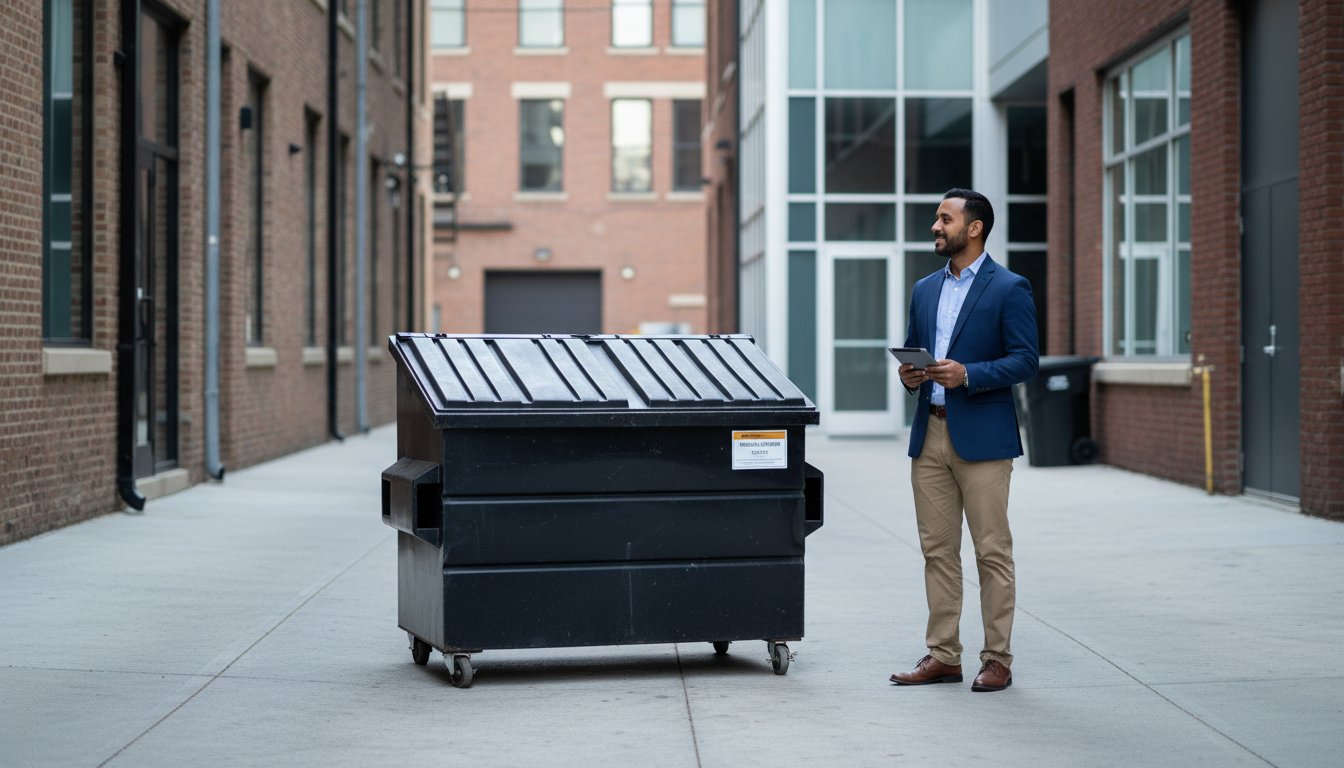
The U.S. waste management market is projected to reach $123.43 billion in 2026, yet many business owners still find themselves buried under overflowing bins and confusing contracts. Managing a commercial front load dumpster service should be a straightforward utility, not a source of logistical headaches. You deserve a clean storefront and a bill that doesn't include surprise surcharges every month.
We know you want waste disposal to stay out of sight and out of mind. It's frustrating to deal with the mess of missed pickups or the confusion between temporary roll-offs and permanent service. This guide helps you master your waste logistics and secure the perfect service for your specific needs. We'll cover how to size your bin correctly, maintain compliance with new 2026 organics mandates, and ensure your monthly costs remain predictable.
Key Takeaways
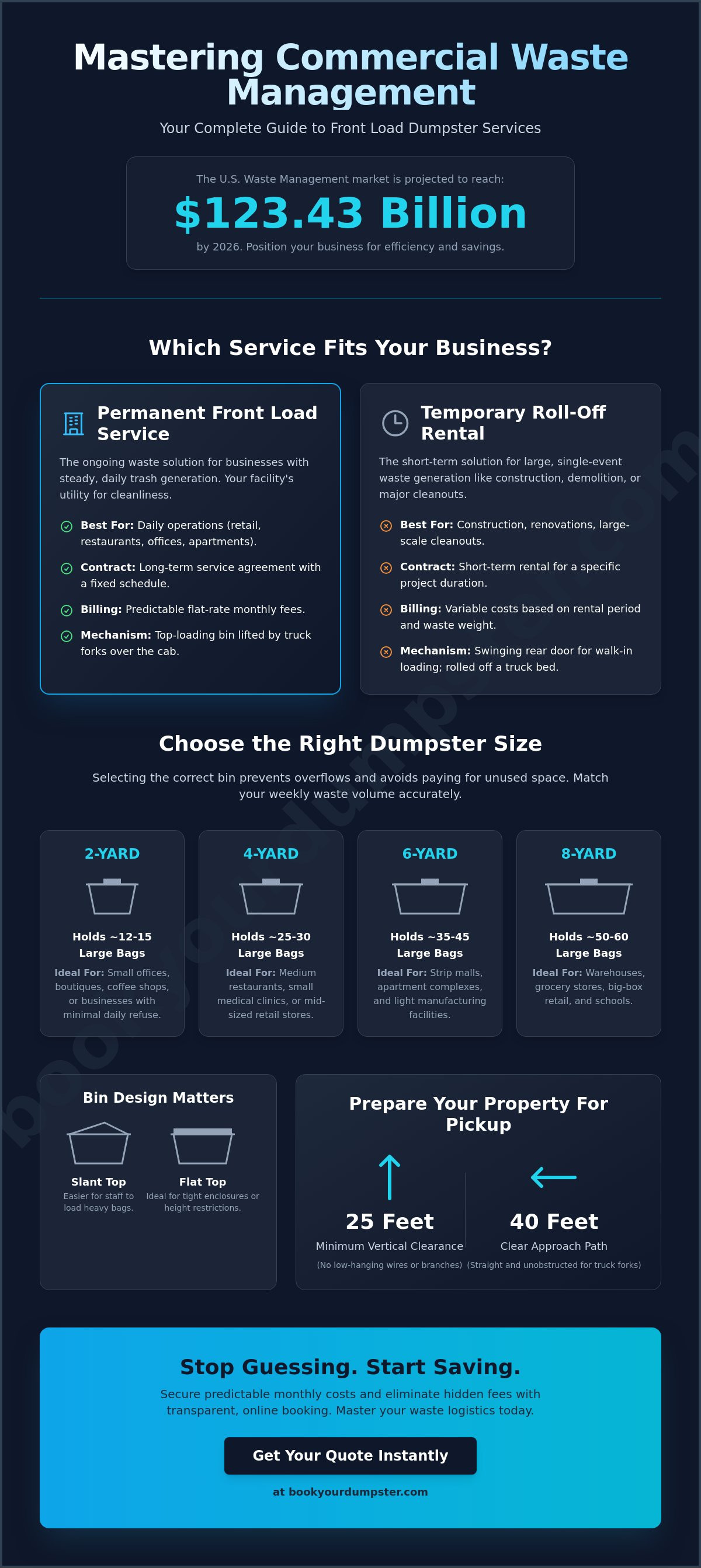
- Distinguish between permanent commercial front load dumpster service and temporary roll-off rentals to select the most efficient waste management model for your facility.
- Select the right bin capacity by matching your weekly waste volume to 2-yard or 4-yard containers; this prevents both overflows and unnecessary costs.
- Prepare your property for collection by ensuring at least 25 feet of vertical clearance and a clear 40-foot approach path for the truck forks.
- Master the mechanical differences between top-loading permanent bins and swinging-door roll-offs to streamline your staff’s daily disposal workflow.
- Secure predictable monthly expenses and eliminate hidden contract fees by leveraging the transparent, online booking platform at Book Your Dumpster USA.
What is Commercial Front Load Dumpster Service?
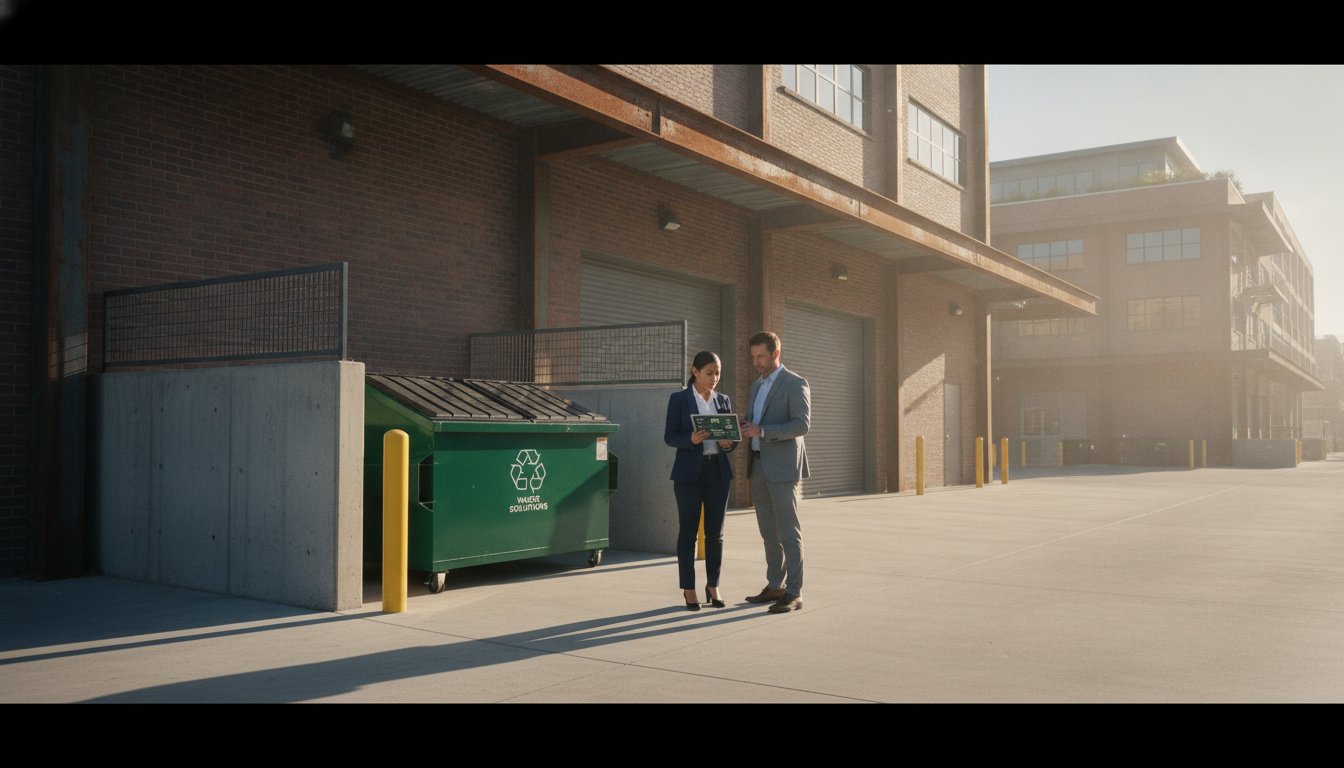
A commercial front load dumpster service provides a permanent, recurring waste solution for businesses that generate steady trash. Unlike a one-time project bin, these containers stay on your property indefinitely. To understand the basics of these units, it helps to first answer the question, What is a Dumpster? Essentially, it's a mobile trash receptacle designed for mechanical emptying. In this specific commercial model, a specialized truck uses hydraulic forks to lift the bin over the cab and empty the contents into its hopper. It's a highly efficient process that takes only a few minutes.
This service is the primary waste management tool for retail stores, restaurants, office buildings, and apartment complexes. It handles daily municipal solid waste, food scraps, and packaging materials. If your business produces a consistent volume of refuse, this is your primary tool for maintaining order. It keeps your waste contained and out of sight, ensuring your operations don't stop because of clutter.
Permanent vs. Temporary Waste Solutions
Don't confuse these with construction bins. Temporary roll-off containers are for renovations or massive cleanouts. You keep them for a few days or weeks and then they're gone. Conversely, a permanent front-load bin is a fixed part of your operational infrastructure. You sign a service contract to ensure your waste is removed on a set schedule. This consistency prevents the accumulation of debris that can violate local health codes or attract pests. Choose a permanent bin when your waste production is a daily reality, not a one-time event.
The Benefits of Scheduled Commercial Pickups
Reliability is the biggest advantage here. Scheduled pickups ensure your bins never reach a critical overflow state. For customer-facing businesses like boutiques or medical clinics, hygiene is a non-negotiable part of your brand. A clean alleyway or parking lot signals competence to your clients. It also protects you from the stress of missed pickups that lead to foul odors and unsightly piles of trash.
Budgeting becomes easier too. Most providers offer flat-rate monthly models. This removes the anxiety often associated with variable waste weights. You know exactly what you'll pay each month for your commercial front load dumpster service. It's a predictable utility, much like your electricity or water bill. If you're ready to stabilize your waste logistics, Book Your Dumpster USA offers streamlined options to get your permanent service started without the usual industry friction.
Choosing the Right Bin: Commercial Dumpster Sizes and Capacity
Selecting the correct container is a financial decision as much as a logistical one. If you choose a bin that's too small, you'll face overflows and extra pickup fees. Too large, and you're paying for empty space every month. A reliable commercial front load dumpster service thrives on accuracy. You need a bin that matches your waste output without cluttering your property or draining your budget.
- 2-Yard Dumpsters: These compact units fit in tight alleys or small parking lots. They're perfect for small banks, boutiques, or offices with minimal daily refuse.
- 4-Yard Dumpsters: This size is the industry sweet spot. It handles the higher volume of a medium restaurant or a small medical clinic without occupying excessive space.
- 6-Yard Dumpsters: Use these for strip malls, apartment complexes, or light manufacturing facilities where multiple users contribute to the waste stream.
- 8-Yard Dumpsters: These are the heavy hitters of the industry. They are the ideal solution for warehouses, big-box retail, and schools with significant daily waste output.
Slant Top vs. Flat Top Dumpsters
The physical design of your bin affects how easily your team can use it. Slant-top bins feature a lower front rim, which makes it much easier for employees to lift heavy bags into the container. Flat-top bins are standard for enclosure-based placements where vertical height might be restricted. Regardless of the shape, ensure your bin has a functional lid. High-quality lids prevent illegal dumping from passersby and keep pests from entering the unit.
Calculating Your Weekly Waste Volume
To avoid overpaying, estimate your volume before signing a contract. One 2-yard bin holds roughly 12 to 15 large trash bags. If your business generates 30 bags a week, you have two choices. You can order a 4-yard bin with a once-weekly pickup or a 2-yard bin with twice-weekly service. Consult the EPA Guide to Commercial Waste Management to find strategies for reducing your total output. Right-sizing is the balance between bin volume and pickup cadence. If you need help determining the footprint for your location, you can compare commercial dumpster dimensions to see what fits your alleyway.
Commercial Dumpster Service vs. Roll-Off Rentals
Choosing between a permanent bin and a temporary rental is a common point of confusion for growing businesses. A commercial front load dumpster service is built for consistency. These bins stay on your property indefinitely and are emptied on a recurring schedule. In contrast, roll-off rentals are project-based. They're delivered for a specific timeframe and swapped out or removed once the job is done. Understanding the mechanical and financial differences between these two models will save you from unnecessary logistical stress.
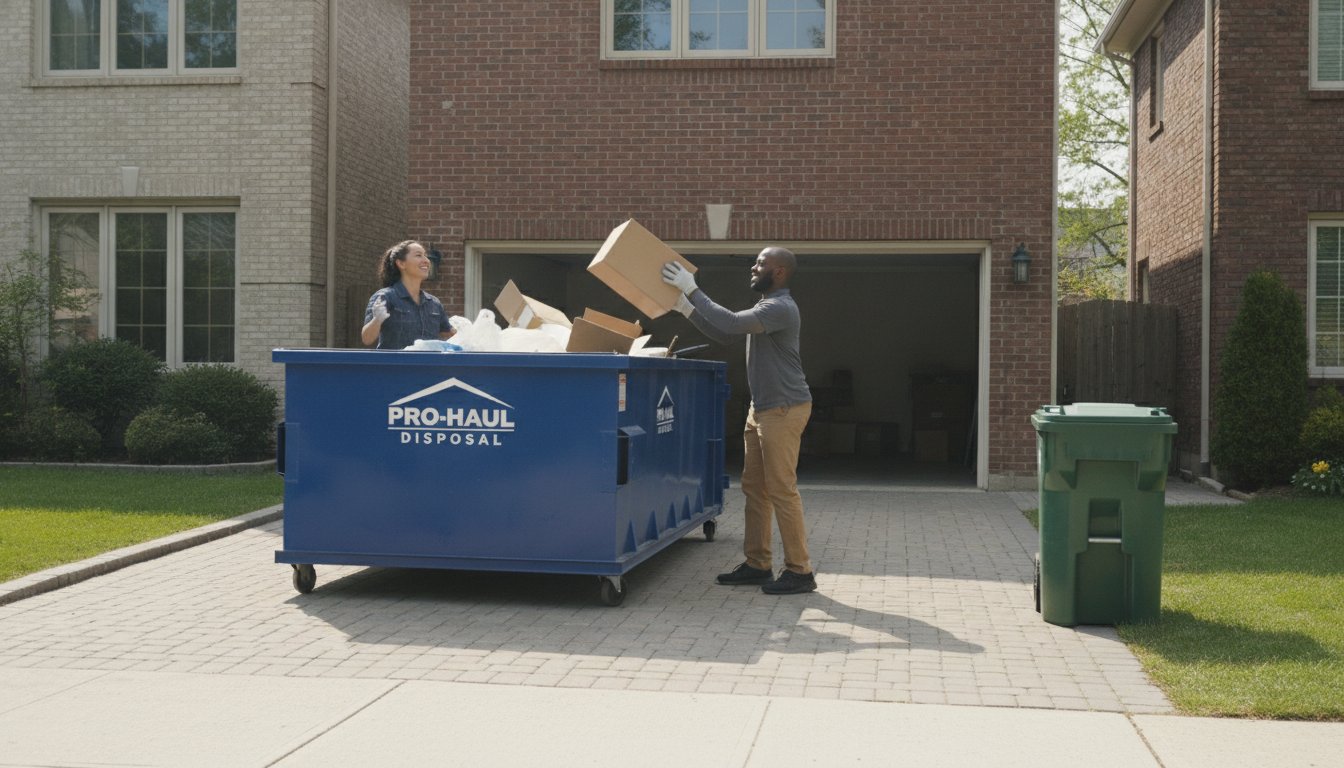
The loading mechanics differ significantly. Front-load bins are usually top-loaded and designed for standard bagged trash. They're compact and fit into tight enclosures or small parking spots. Roll-off dumpsters are much larger and feature a swinging rear door. This allows you to walk heavy or bulky items directly into the container. Pricing also follows a different logic. With a permanent commercial front load dumpster service, you typically pay a predictable monthly fee. Roll-offs usually involve per-haul rental fees and tonnage rates, making them more variable and project-dependent.
When to Use a Commercial Front-Load Bin
Select a permanent front-load bin for your daily operational waste. This includes food scraps, office paper, and lightweight packaging materials. It's the industry standard for businesses with a limited physical footprint where a massive construction bin would block traffic or parking. Compliance with local waste disposal regulations often dictates how and where these permanent bins are staged. If you're ready to establish a recurring pickup schedule, visit the Book Your Dumpster USA homepage to start your permanent service inquiry.
When a Roll-Off Dumpster is the Better Choice
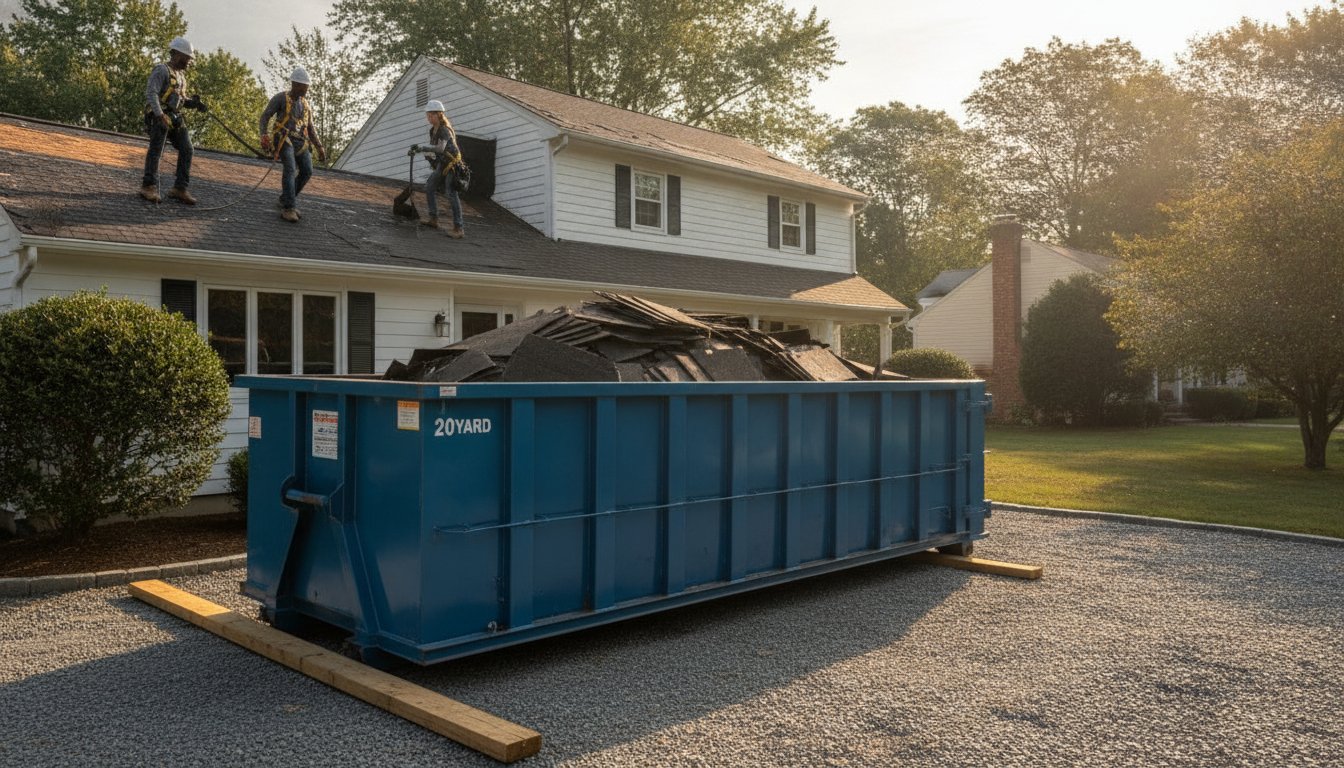
Switch to a roll-off when you're managing a renovation, a seasonal cleanout, or a landscaping project. These containers handle heavy debris like concrete, roofing shingles, or large furniture that would exceed the weight limits of a front-load truck's lifting forks. Even high-volume businesses occasionally need to supplement their permanent service with a 10-yard roll-off during a major facility upgrade. For more details on managing professional-grade waste, read The Ultimate Guide to Construction Debris Removal in 2026. Don't force heavy construction waste into your daily bin; it's a quick way to incur damage fees and missed pickups.
Logistics and Compliance: Placement, Enclosures, and Local Rules
Successful waste management depends on the physical accessibility of your site. A commercial front load dumpster service requires specific spatial clearances that differ from standard vehicle parking. Before you sign a contract, measure your designated bin area. Front-load trucks need between 18 and 25 feet of vertical space to lift and dump the container safely. Low-hanging power lines, tree branches, or building overhangs will prevent service and lead to missed pickups.
The "Approach" is equally critical. Drivers need a 30 to 40 foot straight-line path to align their forks with the bin pockets. If your parking lot is constantly congested or has tight turns, you'll face service delays. Compliance with local ordinances is also mandatory. Cities like Queens, Chicago, and San Francisco have strict rules regarding bin placement and visibility. Failure to follow these codes can result in heavy municipal fines. Ensure your bin is positioned on a level concrete pad that can support the weight of both the container and the truck during collection.
Urban Space Management and Alley Access
Managing waste in dense urban environments like New York or Boston requires extra planning. Narrow alleyways often lack the clearance for standard front-load vehicles. In these scenarios, "scout" trucks are sometimes used to pull bins out to a more accessible street corner for emptying. If you operate in a multi-tenant commercial property, coordinate with your neighbors. Shared dumpster spaces must remain clear of parked cars and delivery vans during your scheduled pickup window to avoid service disruptions.
Dumpster Enclosures and Aesthetic Compliance
Many municipalities require businesses to build a "corral" or enclosure for their bins. These structures improve curb appeal and assist in pest control. When designing your enclosure, prioritize functional space over aesthetics. A 10-foot wide gate is the standard minimum for safe commercial bin access. Ensure the gates open a full 180 degrees and can be secured in the open position. This prevents the wind from blowing a gate into the truck or the bin during the emptying process. If you need to establish a new service location, set up your commercial waste pickup through our streamlined online portal.
Optimizing Your Business Waste Strategy with Book Your Dumpster USA
Effective waste management should be a silent, high-functioning utility. At Book Your Dumpster USA, we treat your commercial front load dumpster service as a tool for operational efficiency rather than just a bin in an alley. Our approach centers on reliability and the total removal of logistical stress. We understand that as a business owner, your time is your most valuable asset. Playing phone tag with waste haulers or deciphering complex invoices is a drain on your productivity. We've modernized this traditional industry by providing a digital-first experience that emphasizes pricing integrity and punctuality.
Transparency acts as our verbal handshake. We offer a clear pricing model designed to eliminate the "hidden fee" anxiety that often plagues commercial waste contracts. Whether you are operating a single boutique or managing a portfolio of properties across major markets from New Jersey to Illinois, our local expertise ensures your service is both compliant and cost-effective. We navigate the regional nuances of waste disposal so you don't have to, providing a dependable partnership that respects your bottom line.
Digital-First Waste Management
Our online platform simplifies the administrative side of trash disposal. You can manage scheduling, view your pickup history, and handle billing through a streamlined interface. This digital infrastructure makes scaling your service effortless. If your business experiences a seasonal surge, you can quickly increase your pickup frequency or add containers to handle the extra volume. For a deeper look at regional requirements, review Dumpster Rental in New York, Illinois, and Massachusetts: The 2026 Complete Guide. Our goal is to reduce the cognitive load of waste management, allowing you to focus on your core business operations.
Getting Started with Professional Service
Transitioning from a temporary cleanup project to a permanent waste system requires professional oversight. If you've just finished a renovation using our roll-off bins, moving to a commercial front load dumpster service is the logical next step for long-term cleanliness. Request a site assessment to ensure your bin placement meets all vertical and horizontal clearance requirements discussed in previous sections. We'll help you find the right-sized container and a pickup cadence that prevents overflows. Don't let waste logistics clutter your schedule or your storefront. Book your commercial service today at Book Your Dumpster USA and experience a no-nonsense approach to waste management.
Take Control of Your Business Waste Logistics
Managing a commercial front load dumpster service shouldn't be the most complicated part of your day. By matching your bin size to your pickup frequency and following the clearance requirements discussed, you can eliminate the stress of overflowing trash and surprise fees. We've reviewed how to navigate city-specific codes and the physical logistics of truck access to keep your storefront clean and compliant. These steps ensure your operations remain professional and your alleyways stay clear.
Take the guesswork out of your waste management strategy. Whether you're operating in New York, Chicago, or San Francisco, our platform provides transparent, no-nonsense pricing and modern online management tools. You deserve a waste partner that values your time and provides a reliable, digital-first experience. Stop worrying about missed pickups or hidden surcharges and start focusing on your business growth. Our streamlined systems are built to handle the mess so you don't have to.
Streamline your business waste. Book Your Dumpster USA today. It's time to resolve your waste challenges with a partner you can trust.
Frequently Asked Questions
What is the most common size for a commercial front-load dumpster?
The 4-yard dumpster is the industry standard for most medium-sized businesses. It provides enough capacity for restaurants and small medical clinics without taking up excessive parking space. If you operate a small office with minimal waste, a 2-yard bin is often sufficient. Larger warehouses and big-box retailers usually require 8-yard units to handle high daily volumes.
How often can my commercial dumpster be picked up?
Pickup schedules typically range from once a week to six times per week depending on your volume. Most businesses start with a weekly pickup and adjust as waste generation increases. High-volume locations like grocery stores often require daily service to prevent overflows. Coordinate your schedule with your provider to ensure your commercial front load dumpster service stays ahead of your trash output.
What items are prohibited in a commercial front-load dumpster?
You cannot dispose of hazardous materials, tires, batteries, or large electronics in these bins. Prohibited items also include liquids like motor oil or paint and medical waste. These materials require specialized disposal methods to comply with environmental regulations. Placing restricted items in your bin can result in contamination fees or a refusal of service from the hauling truck.
Do I need a permit for a permanent commercial dumpster?
Permits are generally not required if the dumpster stays on your private property. However, you must obtain a permit if the bin sits on a public sidewalk, street, or alleyway. Local municipal rules in cities like Queens or San Francisco vary, so check with your local building department before placement. Ensure your bin location also complies with any specific zoning or aesthetic codes in your area.
Can I lock my commercial dumpster to prevent illegal dumping?
Yes, you can secure your bin to prevent unauthorized use and illegal dumping. Most commercial bins come equipped with a lock bar that accepts a standard padlock. Keeping your dumpster locked also prevents pests from entering and keeps your enclosure area clean. This is a practical step for businesses in high-traffic urban areas where third-party trash disposal is a common issue.
What happens if my business waste exceeds the bin capacity?
Exceeding your bin's capacity leads to missed pickups and additional overage fees. Drivers cannot safely lift containers with trash piled above the rim or lids that won't close. Overflowing waste also attracts pests and creates a mess around your enclosure. If you consistently run out of room, increase your pickup frequency or upgrade to a larger container to maintain a clean facility.
How much vertical clearance does a front-load truck need?
A front-load truck requires between 18 and 25 feet of vertical clearance to empty the container. The truck must lift the bin high above the cab, so overhead obstructions like power lines or tree limbs are major hazards. Always measure the height of your enclosure or overhangs before scheduling a delivery. Ensuring clear overhead space prevents property damage and ensures reliable service.
Is recycling included in commercial front-load services?
Recycling is typically handled as a separate stream with its own dedicated bin. While many providers offer both trash and recycling services, they are rarely mixed in the same front-load container. Effective waste management involves separating cardboard, plastics, and paper into specific bins to comply with local diversion mandates. Check your specific contract to see if a dedicated recycling bin is part of your commercial front load dumpster service package.