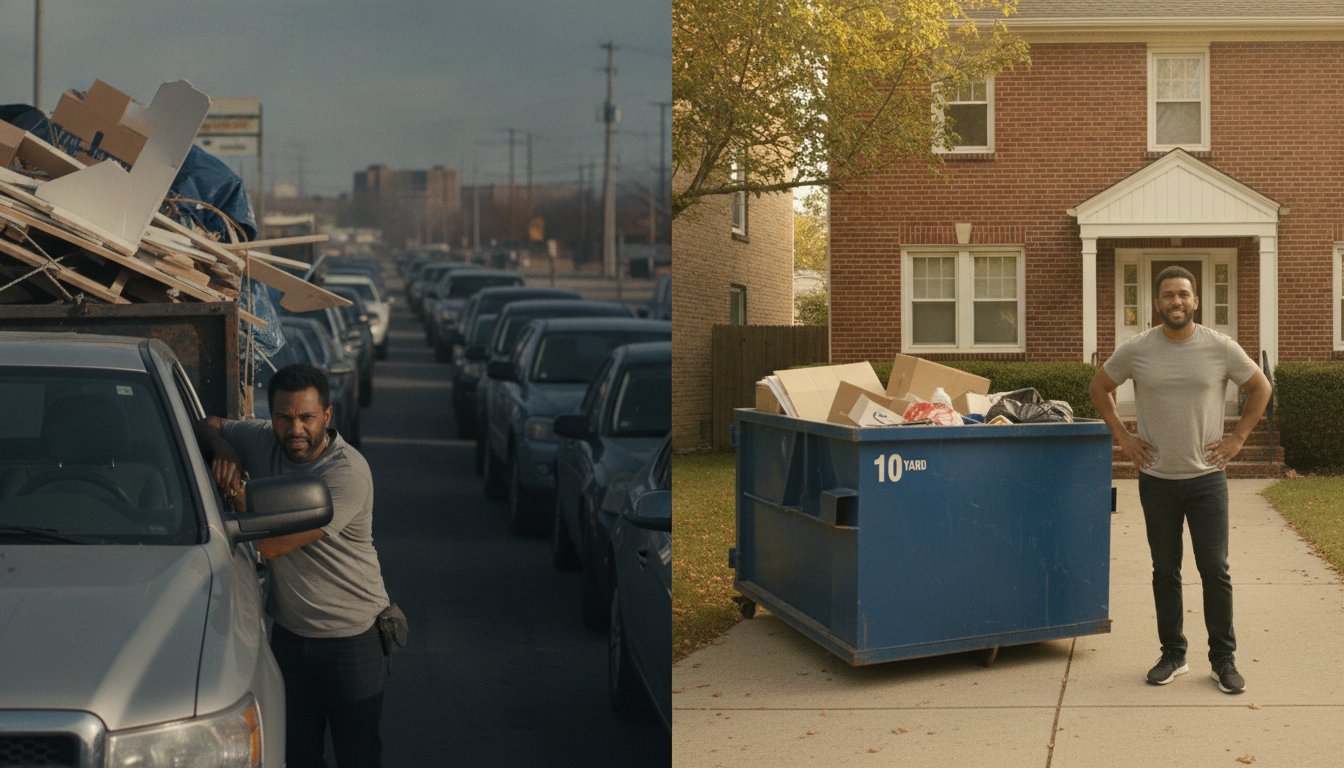
That "free" trip to the landfill in your own pickup truck might be the most expensive mistake you make during your home project. It is easy to think that hauling debris yourself saves money because you avoid an upfront rental fee. You expect a quick trip, but you often end up stuck in traffic, waiting in long lines at the transfer station, and watching your entire weekend disappear. When you calculate the actual cost of multiple dump runs vs one dumpster rental, the math rarely favors the DIY approach.
You already know that your time is valuable and your family vehicle wasn't built to handle jagged construction debris or heavy shingles. This guide breaks down the hidden expenses of DIY hauling, including fuel, vehicle depreciation, and gate fees that can reach $80 per ton in 2026. Discover the clear financial winner between self-hauling and professional containers. We will show you how choosing a 10-yard or 20-yard dumpster can protect your truck, save your labor, and get your project finished days faster.
Key Takeaways
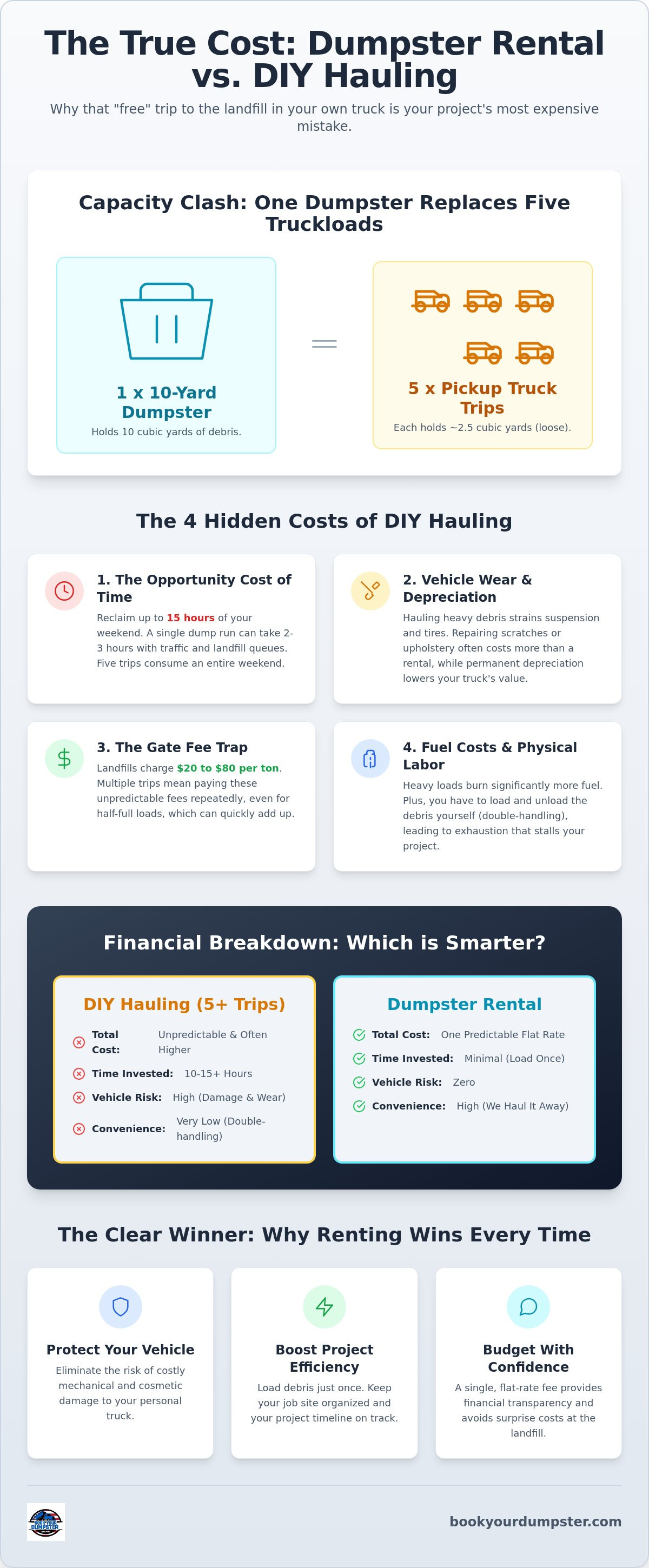
- Identify the 5-to-1 ratio where a single 10-yard dumpster replaces five full trips in a standard pickup truck.
- Analyze the true cost of multiple dump runs vs one dumpster rental by factoring in 2026 gate fees, fuel prices, and vehicle wear.
- Reclaim up to 15 hours of your weekend by eliminating the need to wait in long landfill lines.
- Match your specific debris type to the correct disposal method to avoid overage fees and logistical delays.
- Protect your personal vehicle from damage while maintaining a clean, organized job site throughout your project.
Breaking Down the Math: Multiple Dump Runs vs. One Dumpster Rental
A standard pickup truck bed typically holds about 2.5 cubic yards of waste when filled to the top of the rails. This sounds substantial until you realize that even our smallest 10-yard dumpster holds four times that amount. When you analyze the cost of multiple dump runs vs one dumpster rental, the volume of your project determines your total expense. Most DIY projects hit a financial "break-even" point at just three cubic yards. Beyond that threshold, renting a container becomes the more affordable and logical option.
Capacity Comparison: Trucks vs. Roll-Offs
A 10-yard dumpster is the "truck run killer" because it replaces five separate trips to the landfill. If your project requires a 20-yard or 30-yard container, you are looking at 8 to 15 truckloads. Loading a truck bed is also inherently inefficient. Debris stays "loose" and occupies more space than it would in a heavy-duty roll-off. This inefficiency complicates the waste management process for homeowners who must also worry about exceeding their vehicle's payload capacity. Overloading a standard F-150 can damage the suspension and braking system, leading to repair costs that far exceed any rental fee.
The Gate Fee Trap
Landfills and transfer stations don't offer free disposal. Most facilities operate on a pay-per-load model with strict minimum fees. Even if your truck is only half full, you'll likely pay the same minimum gate fee as a full load. In 2026, landfill fees typically range from $20 to $80 per ton. Multiple trips mean paying these fees repeatedly. These costs are unpredictable for non-commercial haulers, as many sites change their rates based on the type of material or the current capacity of the facility.
Flat-Rate Rental Benefits
Choosing a 10 yard dumpster rental provides a predictable, flat-rate pricing structure. This single invoice covers the delivery, the pickup, and a specific weight allowance. It eliminates the stress of watching the landfill scale and wondering what the final bill will be. For contractors and homeowners alike, this transparency ensures that the project budget stays on track without the surprise of extra tonnage charges or hidden fees. Use our online booking system to secure your container and lock in your price immediately.
The Hidden Costs of DIY Hauling: Fuel, Labor, and Vehicle Risk
Calculating the cost of multiple dump runs vs one dumpster rental requires looking beyond the gate fee at the landfill. DIY hauling involves several "invisible" expenses that quickly erode any perceived savings. Fuel consumption is the most immediate factor. A pickup truck carrying a maximum load of heavy debris, such as old shingles or concrete, consumes significantly more gas than an empty vehicle. When you multiply this extra fuel usage by five or ten trips, the pump charges become a major project expense.
Labor fatigue is another critical but overlooked cost. Hauling trash yourself requires you to load the debris into your truck and then manually unload it again at the transfer station. This double handling is physically exhausting. Many homeowners find that after two trips to the dump, they're too tired to continue the actual renovation. Professional roll-off containers eliminate this redundancy. You load the bin once, and we handle the rest. If you want to skip the back-breaking transit work, book your dumpster online to keep your energy focused on the project itself.
Vehicle Depreciation and Repair Costs
Your family truck or SUV isn't a dump truck. Hauling heavy construction waste puts immense strain on the suspension system and increases tire wear. Sharp metal, broken glass, and heavy bags can also cause permanent cosmetic damage to your truck bed or interior. Repairing deep scratches or torn upholstery often costs more than a standard rental fee. Vehicle depreciation is the permanent loss in resale value caused by the mechanical stress of hauling weights beyond a vehicle's standard daily use. Protecting your primary mode of transportation is a key reason why many contractors refuse to use their own vehicles for waste transit.
The Opportunity Cost of Your Time
Time is your most finite resource. A single dump run in high-traffic areas like New York or Massachusetts can take two to three hours when you factor in traffic and landfill queues. Five trips can easily consume an entire weekend. Reviewing a breakdown of disposal costs reveals that transit and labor time are often the most expensive components of waste management. For a professional contractor, 15 hours spent at the dump is 15 hours of lost billable time. For a homeowner, it's a lost weekend that could have been spent finishing the kitchen or relaxing with family. Renting a dumpster reduces your total time investment to about 15 minutes of online scheduling and the time it takes to walk debris to your driveway.
Project Volume Analysis: Matching Debris to Disposal
Not all waste is created equal. A dozen old mattresses take up a different kind of space than a pile of broken brick. To accurately determine the cost of multiple dump runs vs one dumpster rental, you must first audit your project's total volume and material weight. Using a personal pickup truck for high-density materials often leads to logistical failure and unexpected expenses. Categorize your debris into two main groups: bulky waste and heavy debris.
Bulky waste includes items like couches, cabinets, and large appliances. These create "dead air" in a truck bed because they don't stack efficiently. You'll end up driving miles of empty space for every mile of actual trash. Heavy debris like dirt, concrete, or stone presents a weight problem. According to a state government disposal cost survey, landfill fees are strictly tied to tonnage. If you miscalculate the weight in your truck, you might pay a premium at the gate or face rejection at the scale because your vehicle is unsafe for the site.
Residential Cleanouts and Bulky Items
Garages are magnets for clutter that is hard to transport. For a standard 1-car garage cleanout, a 10-yard dumpster usually provides enough capacity. A 2-car garage typically requires a 20-yard container to handle the overflow. Trucks are particularly inefficient for furniture because you cannot safely stack items above the rails without risking a highway spill. A roll-off container allows for a "toss and forget" workflow. This speed is essential during a home move when you don't have time for half-day trips to a transfer station. Use the following checklist to decide if a dumpster is necessary:
- Is the total pile larger than 3 cubic yards?
- Does the waste include large items like sofas or water heaters?
- Is the nearest landfill more than 20 minutes away?
- Do you have a strict deadline for clearing the space?
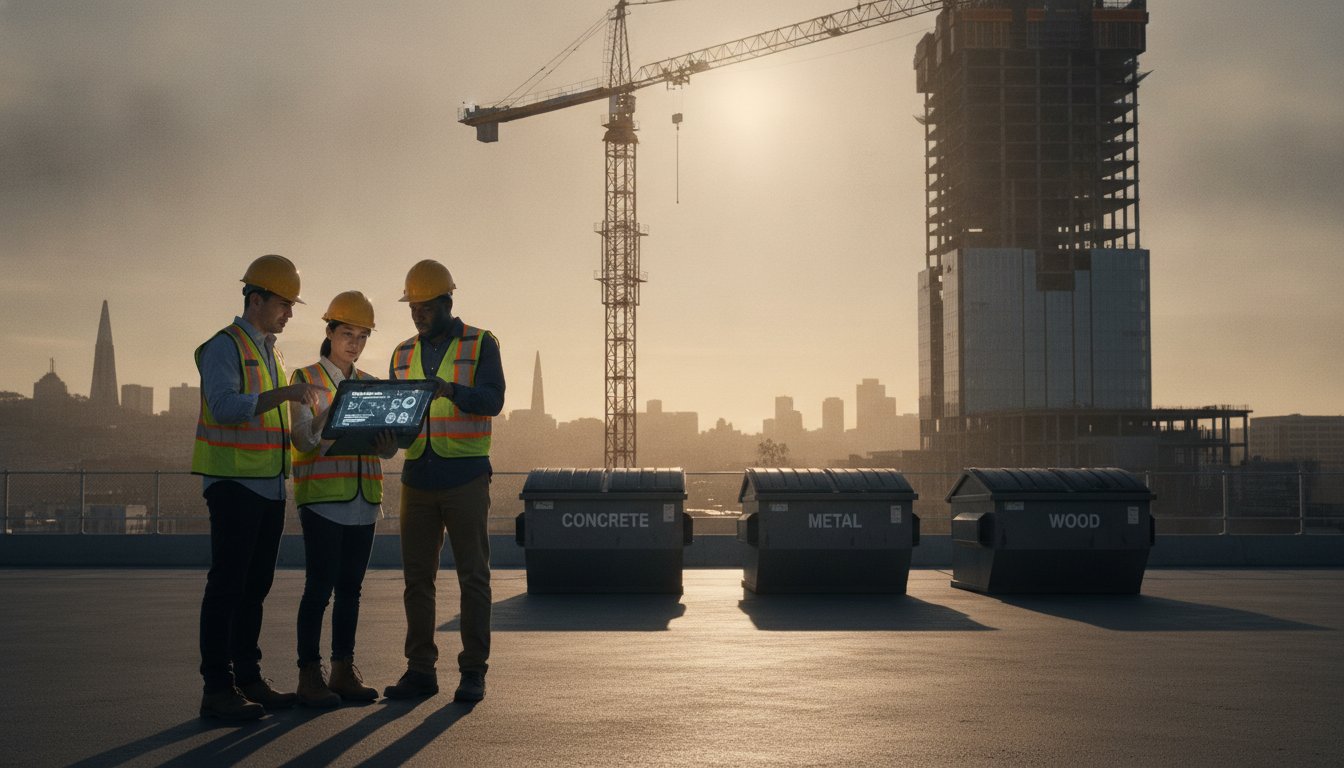
Construction and Renovation Waste
Professional construction debris removal involves managing heavy materials like drywall, tile, and flooring. These items are dense. A single pallet of ceramic tile can easily exceed the payload of a light-duty pickup truck. Contractors prefer dumpsters because they provide a central disposal point that stays on-site. This keeps the job site safe and keeps your crew focused on building rather than driving. Check the dumpster rental prices for your specific region to see how a flat-rate rental compares to the variable costs and physical risks of DIY hauling. Renting ensures you stay within local weight regulations while avoiding the fatigue of manual unloading at the dump.
Navigating Local Logistics in High-Traffic Regions
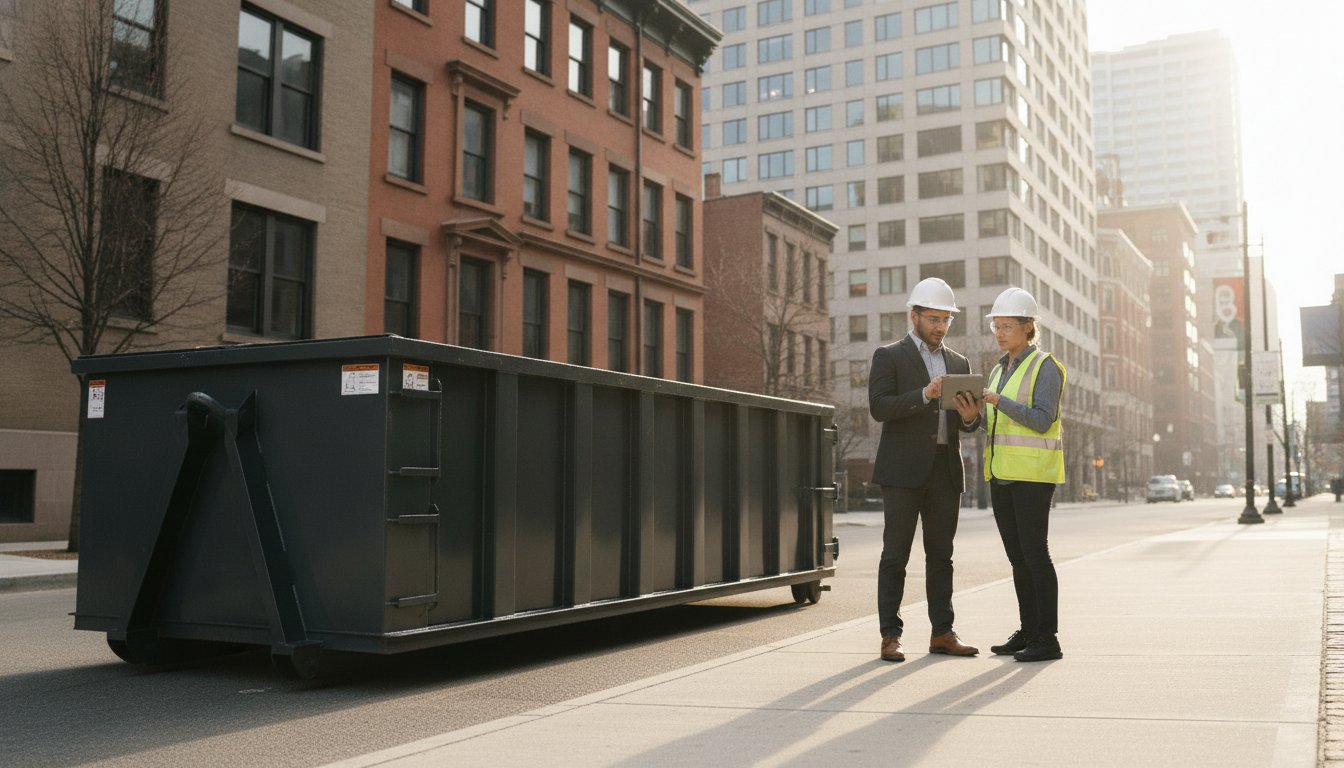
Driving a truck loaded with debris through the narrow streets of New York or the congested corridors of Massachusetts is a logistical nightmare. In these high-traffic regions, the cost of multiple dump runs vs one dumpster rental increases sharply due to unpredictable delays. Every minute spent idling in gridlock burns fuel and wastes billable hours. Professional dumpster delivery eliminates this stress. We navigate the traffic for you, placing a container exactly where you need it, even in tight urban spaces where maneuvering a trailer would be impossible.
Legal compliance is another factor that DIY haulers often overlook. Most states have strict "secure the load" laws. If a single piece of drywall flies out of your truck bed on the BQE or the Kennedy Expressway, you face heavy fines and potential liability for accidents. Overweight vehicle fines are also common in cities like Chicago, where local police monitor heavily loaded pickups. Renting a roll-off container shifts this liability to the provider. You simply fill the bin and let the experts handle the transit and disposal logistics.
Traffic and Wait Times at the Transfer Station
The "Saturday Morning Line" is a reality at transfer stations in Illinois and New Jersey. You might spend two hours just waiting to reach the scale. Public dump sites often have limited operating hours, closing early on weekends or during inclement weather. This creates a bottleneck that can stall your entire project. A dumpster rental provides 24/7 access on your own property. You work at your own pace without checking the clock or worrying about the landfill's lunch break. If you want to avoid the headache of local logistics, book your dumpster now to secure your delivery date.
Permits and Street Placement
Placing a dumpster on a public street in major cities usually requires a permit. While this involves a small fee, it is far cheaper than the fines associated with illegal dumping or blocking a right-of-way. In places like Queens or Boston, street space is at a premium. Our team understands these local regulations and can help you navigate the following:
- Determining if your driveway can support the weight of a 20-yard or 30-yard dumpster.
- Identifying which local departments issue street placement permits.
- Ensuring the container does not obstruct hydrants or neighbor access.
Contrast the cost of a permit with the risk of a $500 fine for an unpermitted container or an overweight truck. Consult with Book Your Dumpster USA for professional advice on local placement and permit requirements to ensure your project stays compliant.
Conclusion: Why One Dumpster Rental Wins Every Time
The math is undeniable. Choosing a single roll-off container removes the logistical burden from your shoulders and places it on ours. When you evaluate the total cost of multiple dump runs vs one dumpster rental, the rental is the only option that protects your vehicle and your schedule. Remember the 5-to-1 ratio. A 10-yard dumpster replaces five exhausting trips in a standard pickup truck. In 2026, the stress of traffic, rising gate fees, and potential vehicle repairs makes DIY hauling a high-risk gamble that rarely pays off. Professional waste management is the standard for a reason: it works.
The Final Verdict on Cost vs. Convenience
The hidden costs of "doing it yourself" add up faster than most homeowners realize. You pay for fuel, repeated gate fees, and the permanent depreciation of your truck. You also sacrifice your most valuable asset: your time. A professional rental offers flat-rate transparency. You know exactly what you're paying upfront. There are no surprise scales or highway fines to worry about. Beyond the money, a dumpster keeps your project site organized. You won't have piles of debris sitting on your lawn or blocking your garage while you wait for your next trip to the landfill. This organized workflow prevents accidents and keeps your neighbors happy throughout the renovation process.
Renting a container also eliminates the physical toll of double-handling your trash. Instead of loading a truck and then unloading it again at a transfer station, you load the dumpster once. We handle the heavy lifting and the final disposal. This efficiency allows you to focus your energy on the actual project, whether you're a homeowner tackling a basement cleanout or a contractor managing a major demolition. It's the most pragmatic choice for anyone who values their time and their equipment.
Ready to Start? Book Your Dumpster Today
Choose the right tool for the job. We offer 10, 20, 30, and 40-yard dumpsters to match any project scale. Our streamlined online booking system allows you to schedule your delivery in minutes. You don't need to navigate complex phone menus or wait for a callback. Select your size, enter your location, and lock in your delivery date with total pricing integrity. Our system is designed for speed and clarity, mirroring the efficiency of our physical service.
If you're working in high-demand areas like New York, New Jersey, Illinois, or Massachusetts, our team is ready to assist with specific placement logistics or permit questions. We understand the local challenges of these metro regions and provide the no-nonsense support you need. Visit bookyourdumpster.com to select your container and finalize your plan. Get your project back on track and leave the hauling to the experts.
Streamline Your Project Logistics for 2026
Stop wasting your weekends at the landfill. The math is simple; a single 10-yard dumpster replaces five full truckloads, saving you from the exhaustion of double-handling debris. When you calculate the true cost of multiple dump runs vs one dumpster rental, the DIY approach fails to account for vehicle damage and the frustration of urban traffic. We provide local expertise in high-traffic areas like New York, New Jersey, Illinois, Massachusetts, and San Francisco to ensure your waste disposal is the easiest part of your renovation or cleanout.
Rely on our transparent, flat-rate pricing and avoid the unpredictable gate fees found at transfer stations. Our online booking system lets you schedule 10 to 40-yard containers in seconds, giving you total control over your job site. Protect your vehicle, reclaim your time, and move your project forward with confidence. Book Your Dumpster USA: Get a Flat-Rate Quote Online. Your project deserves a professional disposal strategy that respects your budget and your schedule.
Frequently Asked Questions
How many pickup truck loads fit in a 10-yard dumpster?
A 10-yard dumpster holds approximately four to five level pickup truck loads. A standard truck bed has a capacity of about 2.5 cubic yards when filled to the rail. This ratio makes the 10-yard container the most efficient choice for small renovations or large room cleanouts. It eliminates the need for repeated transit and protects your vehicle from the stress of heavy debris.
Is it actually cheaper to haul trash to the dump yourself?
DIY hauling is rarely cheaper once you factor in fuel, repeated gate fees, and the value of your labor. The cost of multiple dump runs vs one dumpster rental usually tips in favor of the rental if your project exceeds 3 cubic yards. Professional rentals provide flat-rate pricing that eliminates the financial uncertainty of variable landfill scales and protects your personal vehicle from damage.
What are the average gate fees at transfer stations in 2026?
Landfill and transfer station gate fees typically range from $20 to $80 per ton in 2026. Many facilities also enforce a minimum load fee, which means you pay a full rate even for a partially filled truck. These costs vary significantly by location and material type. Factor in these recurring charges when calculating the total expense of self-hauling your project waste.
Can I damage my truck by hauling construction debris?
Yes, you can easily damage your vehicle's suspension, brakes, and bed liner when hauling heavy construction waste. Sharp items like nails, glass, and metal shards often cause permanent cosmetic damage to the interior and exterior. Repairing these issues frequently costs more than a standard dumpster rental. Professional roll-off containers are designed for this specific abuse, whereas family vehicles are not.
Do I need a permit to have a dumpster on my street in New York or Chicago?
Yes, most major cities require a permit for any dumpster placed on public property or a city street. Permit fees can range from $50 to over $200 depending on the specific municipality and the duration of the rental. Always check with your local building department or ask our team for guidance on local regulations to avoid costly fines for unpermitted containers.
How much time does a typical dump run take in a major city?
A single trip to a landfill in a high-traffic metro area like Chicago or Queens can take two to three hours. This includes transit time, waiting in line at the scale, and manual unloading. Multiple trips can consume an entire weekend that could be spent on project completion. Renting a dumpster reduces your total time investment to just a few minutes of online scheduling.
What items are prohibited in a dumpster but allowed at a landfill?
Hazardous materials such as wet paint, batteries, tires, and chemicals are strictly prohibited in dumpsters. While some specialized landfills or recycling centers accept these items for a separate fee, they cannot be mixed with general construction or household waste. Consult our prohibited items list before loading your container to ensure compliance with environmental regulations and avoid potential contamination fees at the disposal site.
Is there a weight limit for a 10-yard dumpster rental?
Yes, every dumpster size has a specific weight allowance included in the flat-rate price. Exceeding this limit results in overage fees, which typically range from $50 to $100 per ton. Weight limits ensure the safety of our drivers and compliance with local road regulations. If you are disposing of heavy materials like concrete or brick, discuss your project with our experts to choose the correct weight limit.