Your renovation budget isn't just threatened by rising material costs; it's often sabotaged by the debris pile sitting on your curb. You've likely felt the anxiety of watching a driveway crack under weight or the frustration of deciphering confusing permit rules in cities like Queens or San Francisco. It's a logistical headache that can stall even the most organized project. Securing a renovation dumpster rental shouldn't be the hardest part of your job.
We understand that you want a clean site and a predictable budget. This 2026 guide provides the roadmap to master your waste logistics from start to finish. You'll learn how to select the right container size, whether you need a compact 10-yard dumpster for a bathroom remodel or a 40-yard unit for a full-scale demolition. We'll also cover how to handle local permits and avoid those dreaded hidden fees. Follow these steps to ensure your next delivery and pickup are completely seamless, keeping your focus where it belongs: on the build.
Key Takeaways
- Learn how a centralized waste point eliminates job site hazards and keeps your renovation on schedule.
- Select the ideal renovation dumpster rental size by comparing 10, 20, 30, and 40-yard options to standard pickup truck loads.
- Understand the critical differences between street and driveway placement to avoid fines in tight urban areas like Queens or San Francisco.
- Master the "Level Load" rule and heavy-material placement strategies to ensure a safe, compliant pickup every time.
- Discover how to streamline your project logistics using a modern, digital booking system designed for residential and commercial needs.
Why a Renovation Dumpster Rental is Essential for Your Project
A renovation dumpster rental is more than just a large bin; it's a specialized roll-off container engineered for heavy construction materials. It serves as the primary collection point for what is renovation debris, keeping your job site from turning into a hazardous obstacle course. Without a centralized waste point, debris piles up in corners, creating immediate trip hazards and increasing the risk of puncture wounds from stray nails or sharp metal. Don't let your site become a safety liability. A clean site is a safe site.
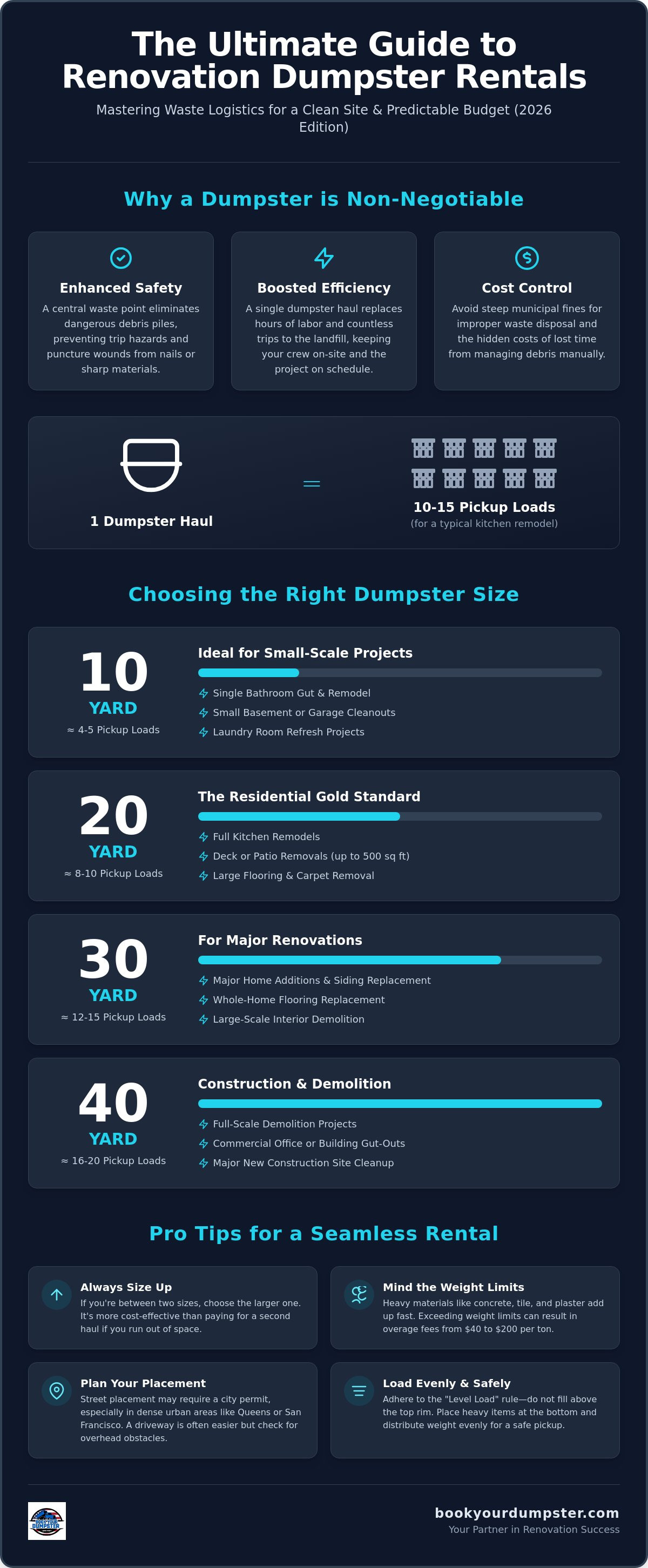
Efficiency is the second major driver for renting a container. Think about the logistics of a typical kitchen remodel. You'll generate enough waste to fill a standard pickup truck bed ten or fifteen times. Making twenty round trips to a local landfill is a massive waste of fuel, time, and labor. A single haul from a professional service replaces hours of driving and waiting in line at the dump. This keeps your crew on the job and your project moving forward without interruption. Professional debris management ensures your timeline stays on track.
Residential Remodeling vs. Commercial Renovations
Debris volume varies significantly based on the scope of your work. A residential bathroom refresh might only require a compact 10-yard container, while a commercial office gut-out could easily fill multiple 40-yard bins. Roll-off containers are essential for these projects because they can handle the immense weight of heavy materials like concrete, tile, and hardwood that would crush a standard plastic trash bin. Whether you're a homeowner or a general contractor, Book Your Dumpster USA provides the right scale of equipment for any project size.
The Hidden Costs of Improper Waste Disposal
Attempting to bypass a professional service often leads to unexpected expenses. Most municipal waste programs strictly prohibit construction materials in curbside bins. Mixing drywall or roofing shingles with household trash can result in steep municipal fines and a refusal of service. There's also a significant "lost time" cost when you manage waste manually. Every hour spent hauling junk is an hour not spent tiling, painting, or installing fixtures. Understanding the nuances of construction debris removal helps you avoid these budget-killing mistakes. Secure your container early to maintain total control over your project's timeline and expenses.
Choosing the Right Size: From Bathroom Refresh to Whole-Home Remodel
Selecting the correct container size is the most critical decision in your waste management plan. We measure roll-off containers in cubic yards, which represents the total volume of debris they can hold. To visualize this, consider a standard pickup truck bed. One cubic yard is roughly equivalent to one-fourth of a 6.5-foot truck bed. Therefore, a 10-yard renovation dumpster rental holds about four to five pickup truck loads, while a 20-yarder holds eight to ten. Visualizing your debris in these terms prevents underestimating your needs.
Follow this professional rule of thumb: when you're between two sizes, always size up. It's more cost-effective to have extra space than to pay for a second haul and a new rental period because the first container overflowed. Beyond volume, you must account for weight limits. Heavy materials like plaster, tile, and concrete reach weight capacities much faster than wood or drywall. Exceeding these limits leads to overage fees, which can range from $40 to $200 per extra ton depending on your local landfill rates. Accurate sizing is a key component of sustainable waste management, as it reduces the number of trips required to clear your site.
The 10 and 20-Yard Dumpsters: Residential Favorites
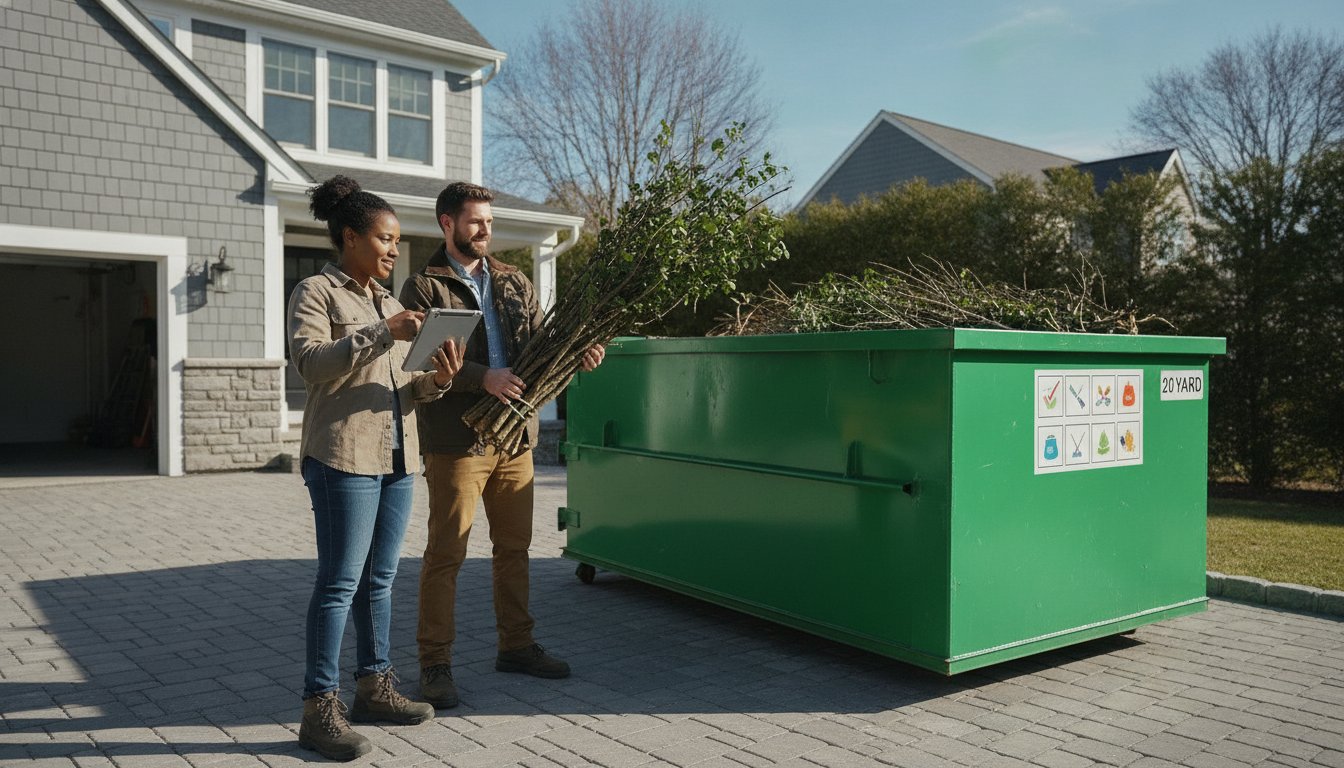
The 10-yard dumpster is the perfect fit for small, focused projects like a bathroom gut or a laundry room refresh. Its compact footprint fits easily into standard residential driveways without blocking access to your garage. For larger interior projects, the 20-yard container remains the industry gold standard. It's the ideal choice for full kitchen remodels, deck removals, or basement cleanouts. These units provide the best balance of capacity and maneuverability for suburban environments. If you aren't sure which fits your driveway, check our sizing dimensions before you book.
The 30 and 40-Yard Dumpsters: Large Scale Logistics
Major home additions and whole-home flooring replacements require the 30-yard container. This size handles the bulk of structural demolition while still fitting on most residential properties. When your project scales up to full estate cleanouts or commercial gut-outs, the 40-yard dumpster becomes a necessity. The 40-yard dumpster is the industry standard for high-volume, low-density debris like vinyl siding, windows, and large amounts of packaging material. These larger units ensure that even the most massive renovation dumpster rental needs are met without constant swap-outs, keeping your labor costs low and your site clear.
Navigating Permits and Placement in Urban Environments
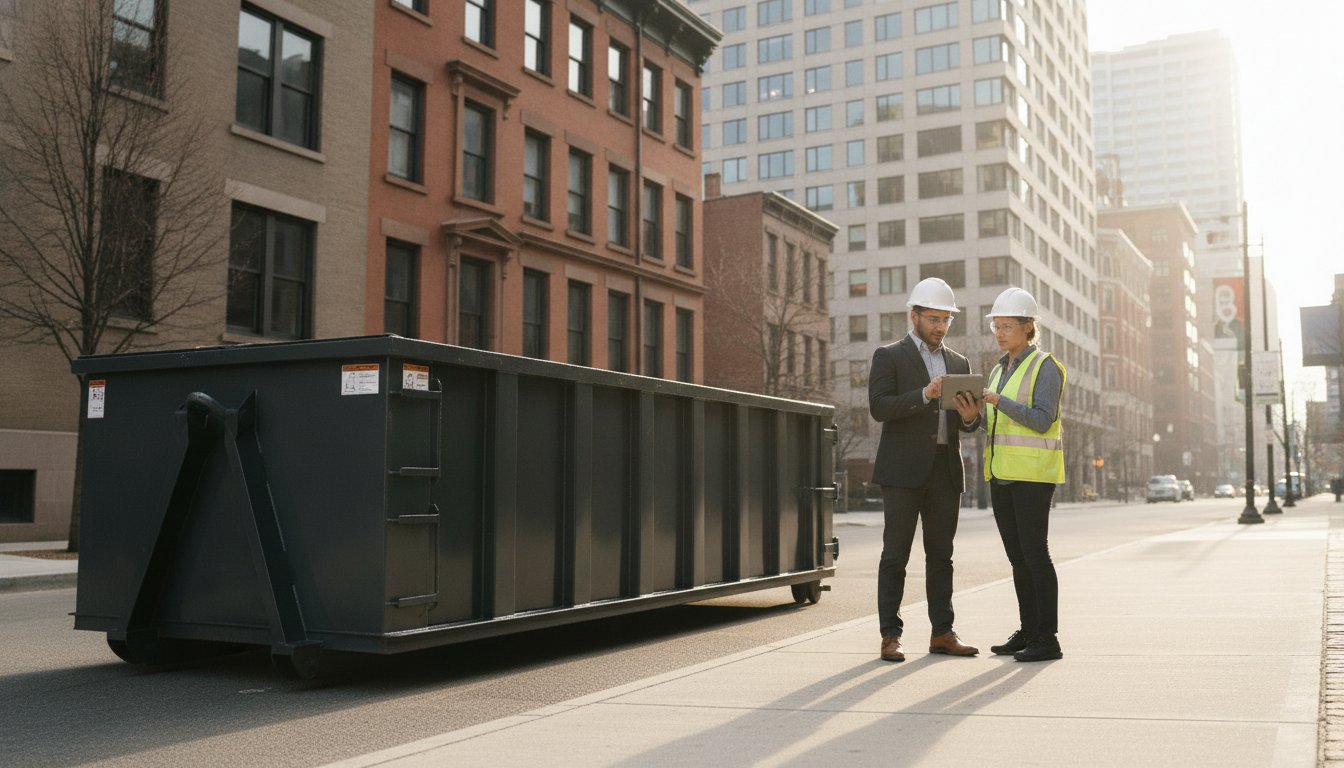
Urban placement requires precision. If you place your container on private property, like a driveway, you generally bypass city permit requirements. However, moving the container onto a public street or sidewalk triggers the need for a local permit. In high-density areas like Queens, NY, or San Francisco, narrow streets and limited curb space make placement a tactical challenge. Verify the 2026 permit requirements for your specific borough or neighborhood before scheduling your renovation dumpster rental. A clean site starts with a legal and safe drop-off location.
Securing these permits is typically the responsibility of the homeowner or the general contractor. While a rental provider can offer guidance, the legal permission to occupy public space rests with the applicant. Failing to secure the proper paperwork can lead to immediate fines or the forced removal of the container at your expense. Always confirm your permit status before the delivery truck arrives to avoid costly delays.
Street Permits in New York, New Jersey, and Massachusetts
In cities like Boston or Jersey City, you must apply for a "Right of Way" permit. These documents authorize the temporary use of public parking spaces for construction equipment. Most permits cover a specific window, often 7 to 14 days. If your project runs over, renew the permit at least 48 hours before it expires. Keep in mind that dumpster rental prices often reflect these localized costs; permit fees are separate from the base rental rate. Factor these costs into your initial waste management budget.
Protecting Your Driveway and Property
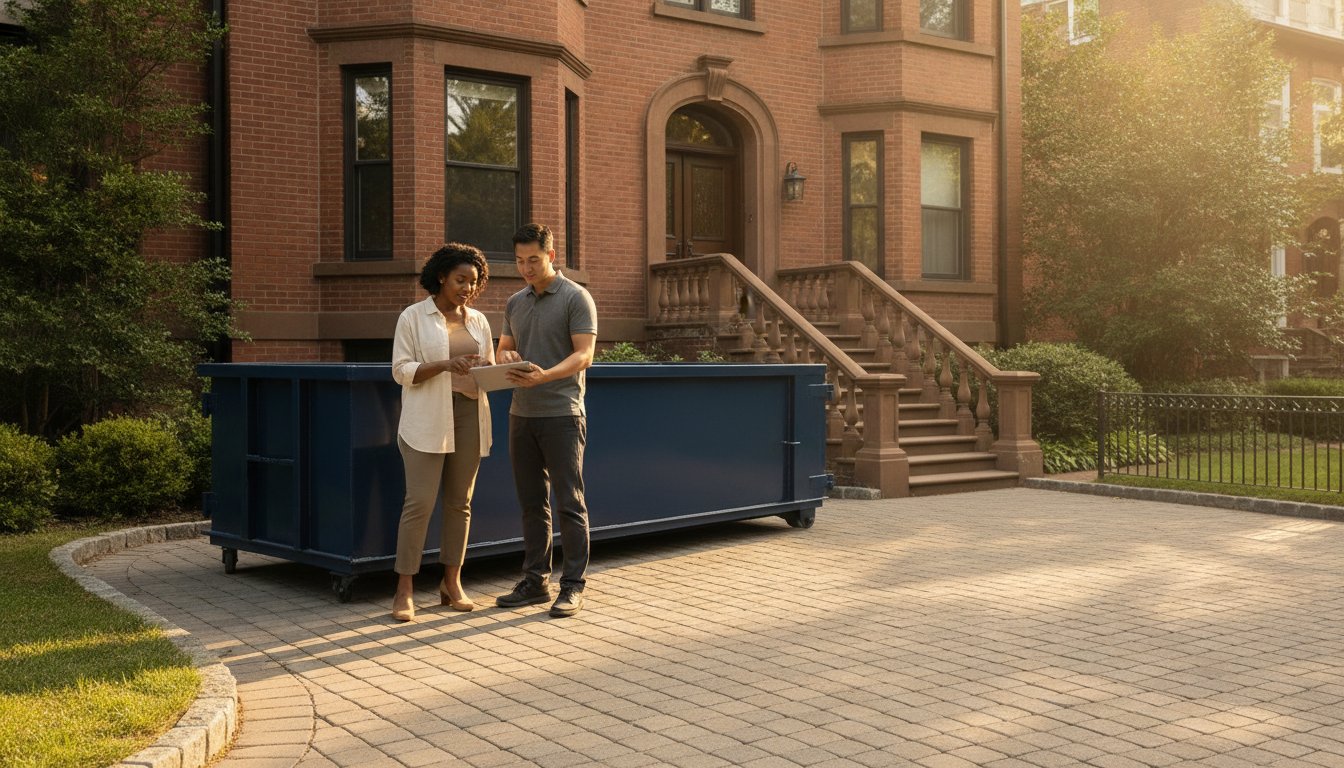
Prepare your drop-off site to prevent surface damage. Even a small 10-yard container becomes incredibly heavy once loaded with debris. Place two sheets of thick plywood as "runners" where the roll-off wheels will rest. This simple step distributes the weight and protects asphalt or pavers from cracking. It is a small investment that prevents expensive driveway repairs later.
Logistics don't stop at the ground level. You must account for overhead obstacles. In Illinois suburbs with mature tree canopies, low-hanging branches can snag the delivery truck's lift. Ensure there is a minimum of 22 feet of vertical clearance for the truck arm to operate safely. Scan the area for power lines and communication cables before the driver arrives. A clear path ensures a fast, damage-free renovation dumpster rental experience.
Pro Tips for Loading Your Dumpster and Managing Waste
Efficient loading is the difference between a successful project and an expensive logistical failure. Follow the "Level Load" rule strictly. Never fill debris above the rim of the container. Hauling a container with protruding wood or metal is a major safety hazard, and drivers will refuse to pick up an unsafe load. This leads to dry-run fees and project delays. Keep your waste contained within the steel walls at all times.
Strategic placement within the bin maximizes your renovation dumpster rental volume. Load heavy materials like concrete, tile, or brick first to create a stable base. Once you have a flat foundation, add lighter debris like drywall and wood. Break down large items. Smash old cabinets and vanities into flat pieces rather than tossing them in whole. This eliminates large air pockets that waste valuable space. Use the walk-in swing door for heavy lifting. Walking heavy items directly into the container is safer for your back and allows for tighter packing than tossing items over the side.
What Can and Cannot Go in a Renovation Dumpster
Most construction materials are approved for disposal. You can safely load drywall, wood, tile, cabinetry, and flooring. However, you must keep prohibited items out of the bin. Do not dispose of wet paint, asbestos, batteries, or hazardous chemicals. These materials require specialized handling and can result in significant environmental fines. If you are disposing of a single material, ask about a "Clean Load." Containers filled exclusively with concrete, dirt, or asphalt are often easier to recycle and may have different pricing structures than mixed renovation waste.
Maximizing Your Rental Period
Standard rental windows typically range from 7 to 14 days. Coordinate your delivery so the container arrives exactly on your primary "demo day." This prevents an empty bin from sitting on your driveway and blocking access. If you finish your cleanup early, schedule a pickup immediately. Clearing the site early improves safety and allows other contractors to move in. Remember that overfilling a dumpster leads to safety hazards and significant dry-run fees. Manage your volume daily to ensure you stay within the weight limits and the physical capacity of the unit. Ready to clear your site? Book your renovation dumpster rental online to secure your delivery date.
Book Your Dumpster USA: Your Partner in Renovation Success
Professional waste logistics is the final piece of the renovation puzzle. You've managed contractors, materials, and timelines; don't let a pile of debris stall your progress. Book Your Dumpster USA provides the infrastructure you need to maintain a clean, efficient job site. Our streamlined online booking system at bookyourdumpster.com allows you to secure a container in minutes. Select your size, choose your date, and receive a confirmed delivery window. It's that simple.
We operate across major US regions, including New York, New Jersey, Illinois, Massachusetts, and San Francisco. This broad coverage means we understand the specific logistical demands of both suburban driveways and dense urban centers. We prioritize pricing integrity. The rate you see is the rate you pay. We eliminate the hidden fees and opaque communication structures common in the waste industry. Reliability is our rhythmic promise to every homeowner and contractor we serve. Securing a renovation dumpster rental should be the easiest part of your project.
Local Expertise You Can Trust
Success in cities like Queens or San Francisco requires a partner who knows the territory. We understand the challenges of narrow streets, tight corners, and strict local regulations that often create logistical nightmares for out-of-town providers. Whether you need a 10-yard dumpster for a residential driveway or a 40-yard unit for a commercial demolition, we have the inventory to match your scope. Our team handles the heavy lifting of delivery and pickup so you can focus on the build. Contact our team today if you need a tailored waste management plan for a complex project site. We provide the control you need over an inherently messy process.
Ready to Start Your Remodel?
Your renovation dumpster rental is the foundation of a safe and organized job site. Don't wait until the debris is piling up to think about disposal. Book today to secure your preferred delivery date and keep your project on schedule. For those who need deeper technical specifications on weight limits and container dimensions, check out our full guide to roll-off rentals. Take charge of your site logistics now. Move from a state of clutter to a state of resolution with minimal cognitive load.
Secure Your Project’s Success Today
Effective waste management is the backbone of a safe and efficient job site. By selecting the correct container size and mastering the "Level Load" rule, you eliminate unnecessary delays and avoid expensive overage fees. Whether you’re managing a tight driveway in Queens or a large-scale commercial demolition in San Francisco, your renovation dumpster rental should be a tool that simplifies your workflow rather than adding to your stress. Proper planning ensures that your site remains clean and your project stays on schedule.
Take control of your site logistics with a partner that understands the local landscape in NY, NJ, IL, MA, and SF. We offer 10, 20, 30, and 40-yard containers to fit any project scope. Our no-hassle online scheduling ensures your bin arrives on time and is removed promptly, keeping your renovation on track and your budget predictable. Don’t let debris stall your progress. Book Your Renovation Dumpster Online Now to lock in your delivery date. You’ve done the hard work of planning your remodel; let us handle the heavy lifting of the cleanup.
Frequently Asked Questions
What size dumpster do I need for a standard kitchen renovation?
A 20-yard container is the industry standard for a full kitchen remodel. This size accommodates the demolition of cabinets, countertops, and flooring, while providing enough volume for packaging materials and old fixtures. If your project includes heavy materials like granite or floor tile, ensure you monitor the weight limit. A 10-yard bin is usually too small for the bulk generated by a complete kitchen gut.
Can I put old appliances in my renovation dumpster rental?
Most non-refrigerant appliances like ovens, dishwashers, and washing machines are acceptable in your renovation dumpster rental. However, you cannot dispose of refrigerators, freezers, or air conditioning units due to federal regulations regarding refrigerants. These items require specialized disposal at a local recycling facility. Always check with your rental provider before loading large metal appliances to avoid potential fines or pickup delays.
How much space does the delivery truck need to drop off the container?
You need approximately 60 feet of straight-line clearance for the delivery truck to drop off the container. The truck requires significant space to back into position and roll the bin off the hoist. Additionally, ensure there is at least 22 feet of vertical clearance to accommodate the truck’s lift arm. Remove all vehicles from the driveway and trim any low-hanging branches that might obstruct the delivery path.
Do I need a permit if the dumpster is sitting on my own driveway?
You generally don't need a permit if the container stays entirely on your private property, such as your driveway. Permits are typically only required by municipalities when the bin occupies public space like a street, sidewalk, or alleyway. However, some homeowners' associations (HOAs) have their own internal rules regarding dumpster placement and duration. Check your local HOA bylaws before scheduling your delivery to ensure compliance with neighborhood standards.
What happens if I exceed the weight limit of my rented dumpster?
Exceeding the weight limit results in overage fees, which are typically billed per ton. If the container is too heavy for the truck to lift safely, the driver will leave the bin at your site. You'll then be responsible for removing enough debris to meet the weight requirements and paying a dry-run fee for the failed pickup. Monitor your load levels carefully, especially when disposing of heavy materials like concrete or tile.
Can I move the dumpster once it has been delivered to my site?
Never attempt to move the container once the driver has placed it. Roll-off bins are designed to be moved only by specialized trucks with heavy-duty winches and hoists. Attempting to move it with a personal vehicle or construction equipment can damage your property, ruin the dumpster's wheels, or cause serious injury. If you need the bin relocated, contact your service provider to schedule a professional move for an additional fee.
Are there items commonly found in old homes that are prohibited?
Old homes often contain hazardous materials like asbestos insulation or lead-based paint that cannot go into a standard container. You also cannot dispose of old thermostats containing mercury, fluorescent light ballasts, or containers of liquid paint and solvents. If you discover these materials during demolition, you must hire a certified hazardous waste contractor for proper removal. Mixing these items with standard debris can lead to significant environmental fines.
How far in advance should I book my dumpster for a renovation?
Schedule your renovation dumpster rental at least 48 to 72 hours before your project’s start date. Booking in advance ensures you secure the specific size you need, especially during the busy spring and summer renovation seasons. In high-demand urban areas like Queens or San Francisco, a longer lead time is better to guarantee a morning delivery. Use our online booking system to check real-time availability and lock in your schedule instantly.