A 30 yard dumpster filled with dirt is nothing more than a permanent, immovable weight on your property. Most project managers assume more volume is better, but for heavy materials, extra space is a liability. Choosing the wrong dumpster for concrete and dirt loads often leads to trucks that can't physically lift the container or massive overage fees that gut your budget. You need a flat rate and a guarantee that your debris actually leaves the site on schedule.
It's frustrating to deal with the confusion between clean fill and mixed waste, especially when a single contaminated load can double your disposal costs. This guide simplifies the process so you can master heavy debris logistics and find the most cost-effective solution for your project. We'll explain why a 10 yard dumpster is the industry standard for materials like concrete, which weighs roughly 4,000 pounds per cubic yard. You'll learn how to avoid weight-related failures, understand 2026 disposal regulations, and secure reliable delivery in your specific city. Follow these clear loading instructions to maintain control over your timeline and your bottom line.
Key Takeaways
- Stick to the 10-yard rule for heavy debris to prevent weight-limit failures and keep your project moving.
- Separate your materials to qualify for clean fill rates and avoid the steep penalties of mixed loads.
- Choose a specialized dumpster for concrete and dirt loads to ensure your container meets legal road weight requirements.
- Follow the level full rule by keeping debris below the rim to ensure safe transport and reliable pickup.
- Use our digital booking system to schedule a 10-yard or 20-yard container in New York, New Jersey, Illinois, or Massachusetts.
What is a Heavy Debris Dumpster Rental?
A heavy debris dumpster is a specialized Roll-off (dumpster) engineered to transport dense, mineral-based materials. While a standard container handles household clutter or office furniture, a dumpster for concrete and dirt loads must withstand extreme weight and abrasive textures. These materials don't compress; they sit heavily and put immense strain on the hydraulic systems used for transport. Understanding this distinction is the first step in avoiding logistical failures on your job site.
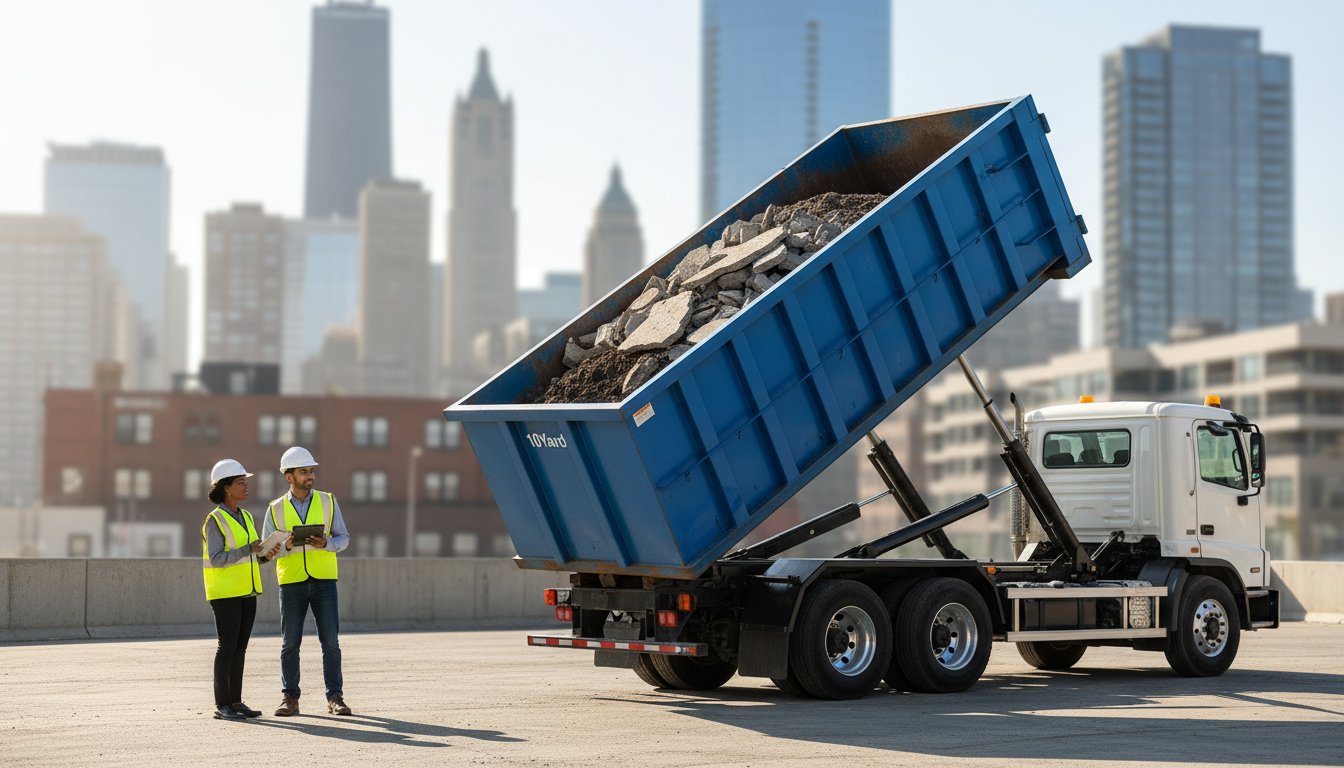
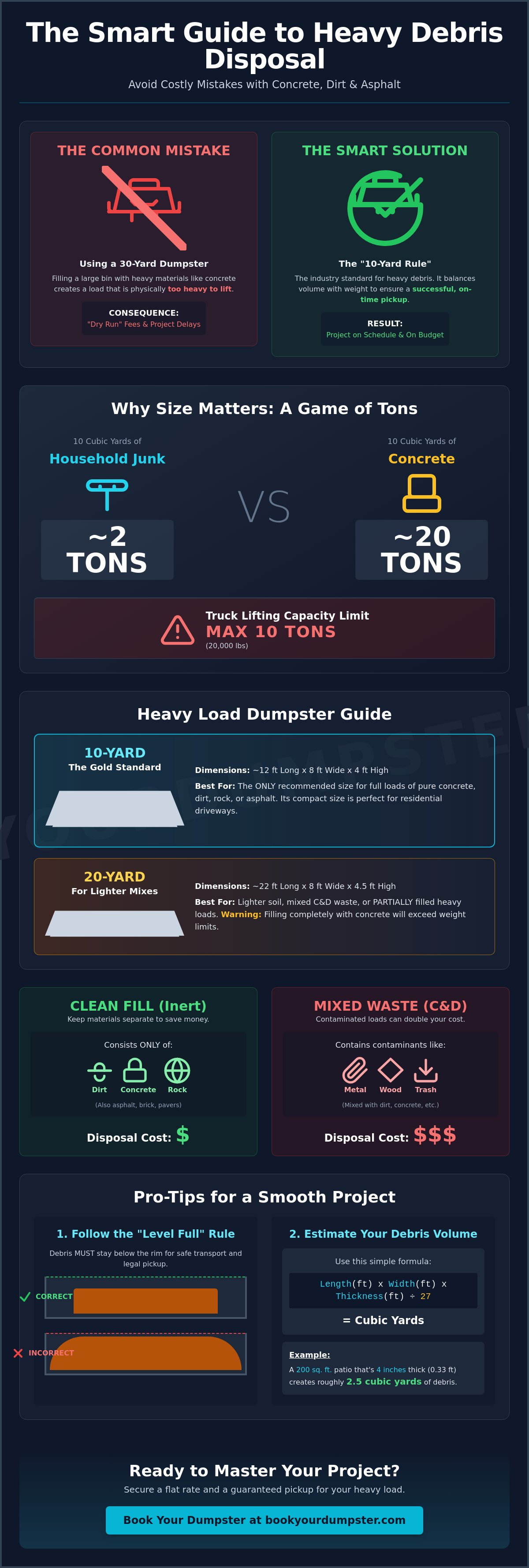
The primary difference lies in the weight-to-volume ratio. Consider the math. Ten cubic yards of household junk typically weighs about two tons. In contrast, ten cubic yards of wet concrete or packed soil can weigh as much as 20 tons. Most hauling trucks are legally and mechanically capped at a lifting capacity of 10 tons, or 20,000 pounds. If you fill a large container with these materials, you create a load that is physically impossible to move safely. This is why specialized heavy-load rentals are restricted to smaller sizes, usually the 10-yard or 20-yard options available at BookYourDumpster.com.
Distinguishing between Construction and Demolition (C&D) waste and pure inert fill is also vital. C&D loads often contain mixed materials like wood, metal, and drywall. Inert fill consists solely of "clean" materials like dirt, rock, or concrete. Keeping these separate isn't just a matter of organization; it's a regulatory requirement in many municipalities that affects your final disposal costs.
Common Materials for Heavy Load Dumpsters
Heavy load containers are built for the toughest debris. This includes reinforced concrete that contains rebar or wire mesh, which requires specialized processing. You can also use these bins for clean fill dirt, topsoil, and excavated clay from foundation work. Other acceptable materials include asphalt from driveway removals and brick pavers from patio tear-outs. Ensure your load is free of organic matter like tree stumps or trash to maintain its clean fill status.
Why Weight Limits Matter for Your Project
Ignoring weight limits leads to immediate project delays. In states like New York and Illinois, road weight regulations are strictly enforced to protect infrastructure. If a truck attempts to lift a bin that exceeds its 10-ton capacity, the driver will likely declare a "Dry Run." You'll be charged a fee, and the dumpster will remain on your property until you manually remove enough material to meet the limit. Extreme weight also poses a risk to residential driveways. A 20,000-pound load can crack asphalt or settle pavers if not supported correctly by protective boards.
Choosing the Right Dumpster Size for Concrete and Dirt
Don't be fooled by the visual size of your debris pile. For a dumpster for concrete and dirt loads, the 10-yard container is the industry gold standard for a reason. It balances volume with the physical lifting limits of the truck's hydraulics. While you might be tempted to order a 30-yard bin to handle a large driveway removal, you'll likely fall into the "half-full" trap. Most haulers won't allow a 30 or 40-yard dumpster to be filled with heavy debris. The weight would exceed legal road limits before the bin is even half-way full. Stick to the smaller containers to ensure a successful pickup on the first try.
Properly managing these materials aligns with EPA guidelines on C&D materials, which emphasize the importance of separating inert waste from general trash. By choosing the correct size, you ensure that your waste is handled according to these standards while avoiding the logistical nightmare of an overweight container. This approach protects your budget and your project timeline.
10-Yard vs. 20-Yard Heavy Debris Comparison
A 10-yard dumpster is usually 12 feet long, making it ideal for tight residential driveways. The 20-yard option is nearly double that length at 22 feet. While the 20-yard container offers more space, it's rarely used for pure concrete. It's better suited for lighter soil or mixed loads where the weight isn't as concentrated. Choosing the 10-yard size often helps you avoid expensive overage fees by forcing you to stay within a manageable weight range. If you're unsure about your specific requirements, you can view local size availability to see which fits your site best.
Estimating Your Debris Volume
Use a simple formula to determine your volume: multiply the length, width, and thickness of your concrete in feet, then divide by 27. For example, a 200-square-foot patio that's 4 inches thick creates roughly 2.5 cubic yards of debris. One cubic yard of concrete weighs approximately 4,000 pounds, so that small patio already weighs 5 tons. Always factor in "fluff" when digging. Disturbed soil occupies about 30 percent more space than compacted earth. A 10-yard dumpster for concrete and dirt loads holds the equivalent of 4 to 5 full pickup truck beds, providing a reliable visual reference for your project.
Clean Fill vs. Mixed Loads: Avoiding Costly Mistakes
Contamination is the most expensive mistake you can make when renting a dumpster for concrete and dirt loads. In the waste industry, "clean fill" refers to inert materials like pure concrete, dirt, brick, or asphalt that have not been mixed with other debris. Because these materials are recyclable, disposal facilities charge significantly lower rates to process them. However, adding just a single bag of household trash, a piece of treated lumber, or a bundle of plastic wrap reclassifies the entire container as a "mixed load." This shift triggers standard landfill tipping fees, which can double or triple your expected costs instantly.
Adhering to Construction waste management best practices ensures that your project remains both compliant and cost-effective. In states like Massachusetts, concrete and asphalt are actually banned from landfills entirely, making separation a legal requirement rather than a suggestion. New Jersey also maintains strict soil disposal regulations to prevent the spread of contaminated earth. By keeping your load clean, you allow facilities to crush your old concrete into aggregate for new road bases, turning your waste into a sustainable resource.
What Qualifies as Clean Fill?
To maintain clean fill status, you must exclude all organic and hazardous materials. Prohibited items include tree roots, sod, wood, metal, and any form of general garbage. In urban areas like Queens or Chicago, soil must often meet specific environmental standards to ensure it isn't "hot" or contaminated by industrial chemicals. Protect your load on a busy job site by using a tarp when you aren't loading. This prevents neighbors or other subcontractors from tossing prohibited items into your bin and ruining your sorting efforts.
The Economics of Separation
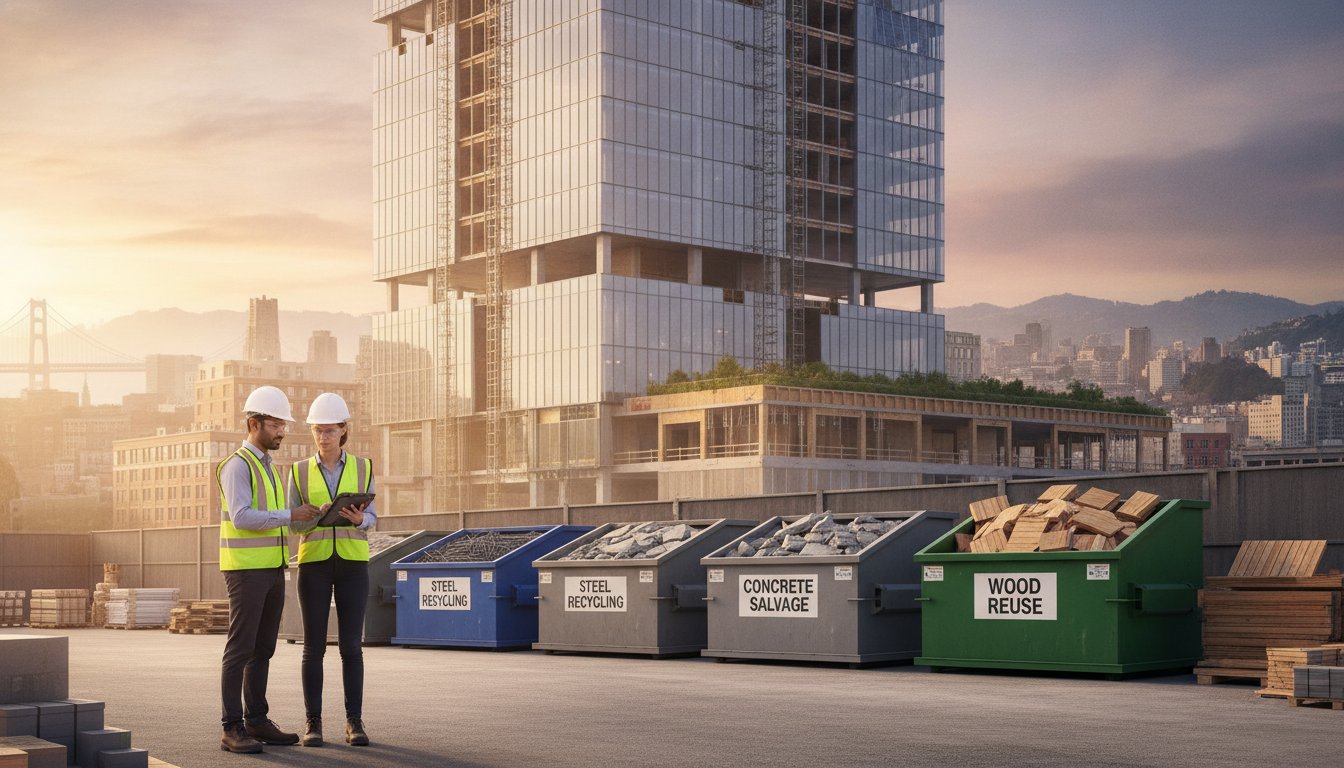
The price gap between a clean fill rental and a standard C&D rental is substantial. Before you book, you should Check local dumpster rental prices to see how these classifications affect your specific area. If your project generates both heavy debris and general trash, it often makes more financial sense to rent two smaller 10-yard bins rather than one large mixed container. Use one dumpster for concrete and dirt loads and the other for your mixed construction waste. This strategy maximizes recycling opportunities and protects you from the massive weight penalties associated with large, mixed-waste bins.
Safety and Loading: How to Fill Your Dumpster
Loading a dumpster for concrete and dirt loads requires more strategy than tossing in household trash. You must respect the "Max Fill Line." While general waste can often reach the top rim, heavy debris usually has a lower limit, often marked halfway up the side of the container. Exceeding this line makes the load top-heavy and dangerously unstable during transport. If the driver deems the load unsafe or over-height, they'll leave it behind. You'll then face the back-breaking task of hand-unloading heavy slabs to meet compliance. Stick to the "Level Full" rule for the specified height; never allow material to protrude above the steel walls. This prevents debris from falling onto the road and causing accidents.
Always maintain an even weight distribution. Don't pile all the concrete at the front or back of the bin. Keep the center of gravity low and centered over the floor of the container. This balance allows the truck's hoist system to lift the bin without straining the hydraulics or risking a tip-over. For more detailed safety protocols, review these Safe Construction Waste Disposal Methods. Proper loading isn't just about safety; it's about ensuring your project stays on schedule without "dry run" fees.
Preventing Driveway Damage
A 10-yard bin filled with soil can weigh 20,000 pounds. This pressure can easily crack aged asphalt or shift decorative pavers. Assess your surface before the truck arrives. If your driveway shows existing spiderweb cracks, the weight will worsen them. Use 4x8 sheets of 3/4-inch plywood or specialized "street pads" to create a buffer. Place these boards where the dumpster's steel rollers and feet will rest. This distributes the point-load across a larger surface area. Also, check the forecast. Schedule your delivery for dry weather. Heavy trucks can sink into soft, rain-soaked soil, leaving deep ruts in your landscape.
Loading Techniques for Concrete
Efficiency starts with how you break up the material. Large, irregular slabs create air pockets that waste valuable space. Use a jackhammer or sledgehammer to break concrete into pieces no larger than a basketball. Place the heaviest, densest pieces at the bottom. Fill the gaps with smaller rubble or dirt to create a solid, base. This method prevents the load from shifting when the truck tilts the bin upward. If you're ready to start your project, order your heavy-load dumpster now to secure your delivery date.
Book Your Heavy Load Dumpster Today
Transitioning from the planning phase to active debris removal requires a reliable partner. You've calculated your cubic yardage and prepared your site. Now you need the hardware. Ordering a dumpster for concrete and dirt loads should be a quick, transparent transaction. Our streamlined online booking system allows you to secure 10-yard and 20-yard containers in just a few clicks. We designed these options specifically for the extreme density of inert materials like asphalt and soil. By focusing our heavy-load service on these specific sizes, we eliminate the risk of overweight trucks and the associated penalties that stall your progress. We provide direct service across New York, New Jersey, Illinois, and Massachusetts, ensuring that local expertise is always part of the package.
Why Choose Book Your Dumpster USA?
Navigating the logistics of heavy debris in high-traffic urban centers requires precision. We understand the specific weight and disposal regulations in every city we serve. This local knowledge prevents costly compliance errors and ensures your waste ends up at the correct processing facility. For contractors managing high-volume commercial projects, we provide the fast turnaround and high-velocity communication needed to maintain a lean job site. Our drivers are experts in heavy load placement. They arrive on time and position your bin exactly where you need it to maximize loading efficiency. We maintain pricing integrity by offering clear, upfront rates. You won't find hidden fees or surprise overage charges in our contracts. We act as a high-functioning tool for your business, removing the stress of waste management so you can focus on the build.
Ready to Clear Your Site?
Don't let a pile of dirt or concrete dictate your project timeline. Take immediate action by using our digital booking system. It's built for speed and simplicity, matching the modern needs of both homeowners and professional crews. We pride ourselves on punctuality and a no-nonsense approach to service. Whether you're clearing a residential driveway or excavating a commercial foundation, we have the specialized equipment ready for dispatch. Master your logistics today and avoid the headaches of hidden fees and missed pickups. Rent your 10-yard dumpster for concrete now to secure your delivery date. Select your location, confirm your container size, and move your project toward completion with confidence.
Secure Your Project’s Success Today
Managing heavy debris doesn't have to be a logistical bottleneck. By sticking to the 10-yard rule and maintaining clean fill standards, you protect your budget from unexpected overage fees and ensure your site stays organized. Remember to respect the Max Fill Line and distribute weight evenly to avoid dry run penalties. Our specialized 10-yard containers are engineered specifically for the density of mineral-based waste, providing a reliable solution for every phase of your excavation or renovation project.
We offer transparent, flat-rate pricing options across New York, New Jersey, Illinois, and Massachusetts. This clarity allows you to bid on contracts or plan home improvements with total financial certainty. When you choose a specialized dumpster for concrete and dirt loads, you're choosing a partner that understands the unique demands of heavy materials. Don't let debris pile up and slow your progress. Use a high-functioning tool that matches the intensity of your work and keeps your timeline on track.
Book Your Heavy Debris Dumpster Online Now and take control of your project logistics. We're ready to deliver the reliability you need to get the job done right.
Frequently Asked Questions
Can I put both concrete and dirt in the same dumpster?
You can mix these materials, but doing so usually reclassifies the container as a mixed load rather than clean fill. This change often results in higher disposal costs because the facility must sort the materials. To keep your project cost-effective, rent separate 10-yard bins for each material type. If you must mix them, ensure you don't exceed the truck's lifting capacity.
How much concrete can I safely put in a 10-yard dumpster?
Fill the container only halfway to stay within legal road weight limits. Ten cubic yards of concrete weighs approximately 20 tons, which is double the lifting capacity of most heavy-duty trucks. Use the "Max Fill Line" marked on the side of your bin as your absolute limit. This practice prevents the truck from being unable to lift the load and protects your driveway from excessive pressure.
What happens if my dumpster is too heavy for the truck to pick up?
The driver will leave the container on your property and charge a dry run fee. You'll have to manually remove the excess material until the load meets safety requirements. This process delays your project and adds unnecessary labor costs. Monitor your fill level closely to ensure a successful pickup on the first attempt.
Do I need a permit for a concrete dumpster in New York or Chicago?
Permits are mandatory if you place the dumpster on a public street or sidewalk. Municipalities in New York and Chicago have strict right-of-way laws to maintain traffic flow and pedestrian safety. You don't typically need a permit for placement on private property like a driveway. Check with your local building department to verify current permit fees and application timelines.
Is there a difference between a "clean fill" dumpster and a regular one?
A clean fill dumpster is dedicated to a single, recyclable material like pure concrete or soil. Facilities process these materials into new aggregate, which keeps your disposal rates lower. A regular dumpster for concrete and dirt loads that contains even a small amount of trash or wood is treated as mixed waste. This classification triggers higher tipping fees at the landfill.
Can I put asphalt or brick in with my concrete load?
Many recycling facilities accept asphalt, brick, and concrete together as inert debris. However, some locations require these materials to be separated to maintain their recycling value. Check the specific regulations in your city before loading the bin. Keeping the materials pure ensures you receive the best possible rate and avoid contamination penalties.
How do I avoid overage fees when disposing of heavy dirt?
Stick to a 10-yard dumpster for concrete and dirt loads and never fill it above the rim. Overage fees are triggered when the weight exceeds the tonnage limit specified in your rental agreement. Because dirt is extremely dense, it's easy to exceed these limits in larger 20 or 30-yard bins. Using a smaller container creates a physical limit that helps you stay within your budget.
How much does a dumpster for concrete typically cost?
Pricing depends on your specific location and the volume of debris you're moving. Most rentals are structured as flat rates that include delivery, pickup, and a set weight allowance. Rates in major metropolitan areas are often higher due to increased landfill taxes and fuel costs. Use an online booking system to get an accurate quote for your specific service area.