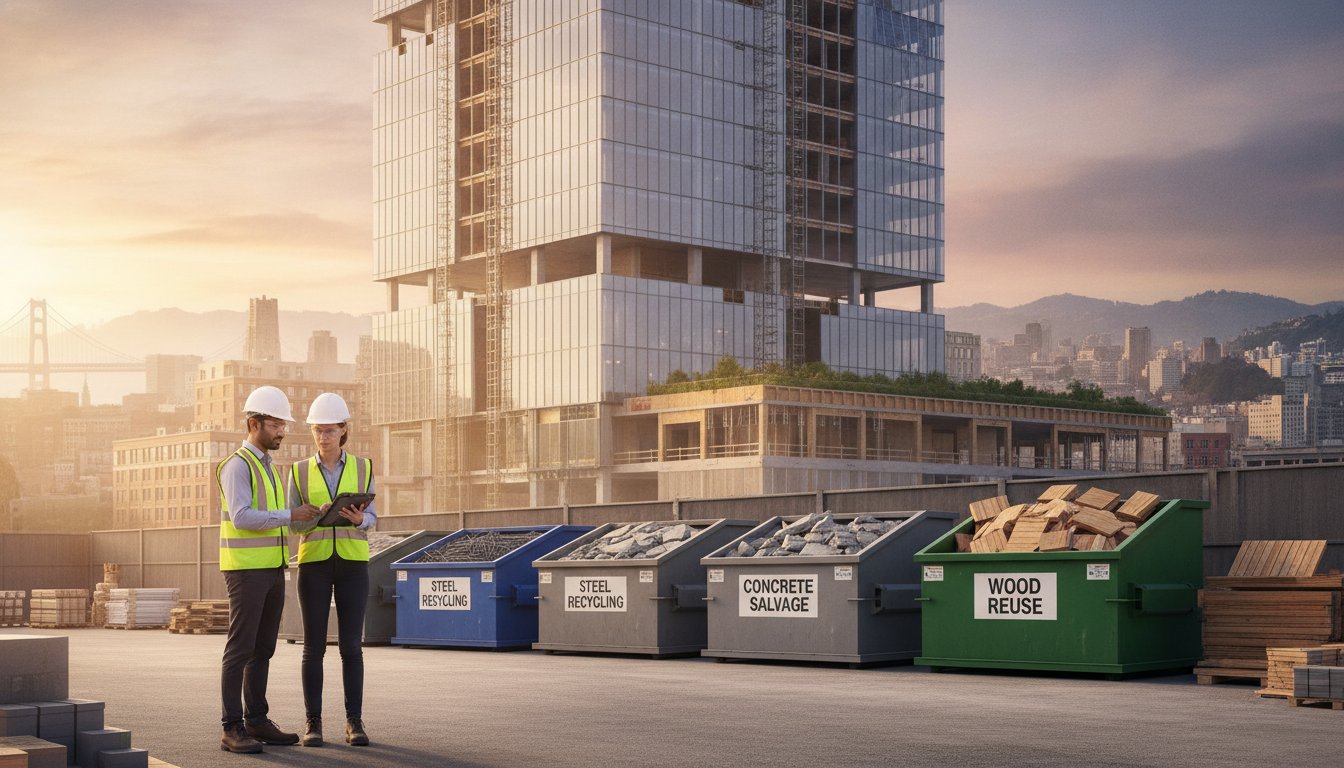
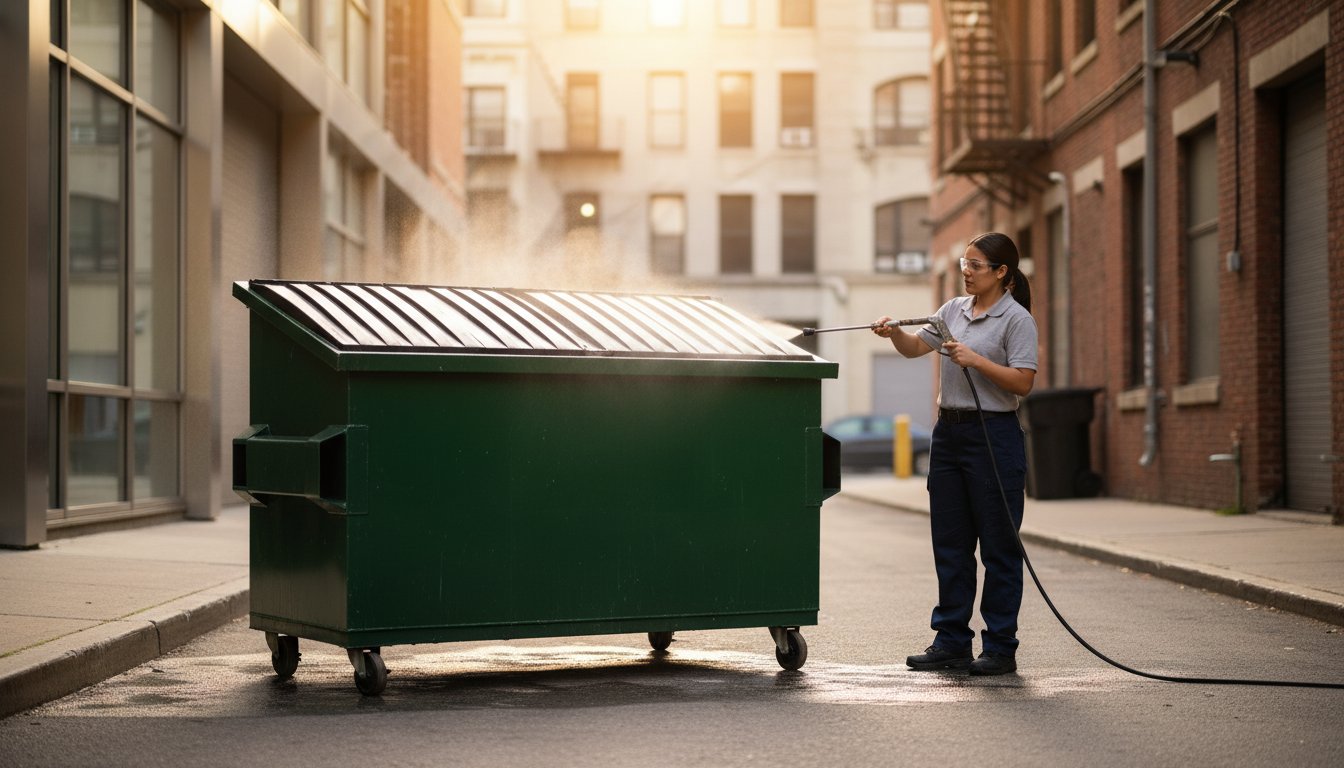
Most people think a foul-smelling bin is the result of too much trash, but the reality is that dumpster odor is a moisture management problem, not a garbage volume problem. You've likely dealt with the nausea of working near a stinky bin or the embarrassment of neighbor complaints. It's a logistical headache that attracts raccoons and rats to your property while making every trip to the curb a miserable experience. You need a solution that works. Learn how to stop a dumpster from smelling bad using professional tactics that neutralize odors and keep them from returning to your home or job site.
We'll move past temporary fixes and focus on high-functioning maintenance routines. This guide covers moisture control, EPA-mandated covering regulations to avoid daily fines, and the most effective deodorizing agents available in 2026. Stop letting your waste container dictate the air quality of your project. Follow these five professional tactics to keep your site clean, fresh, and compliant.
Key Takeaways
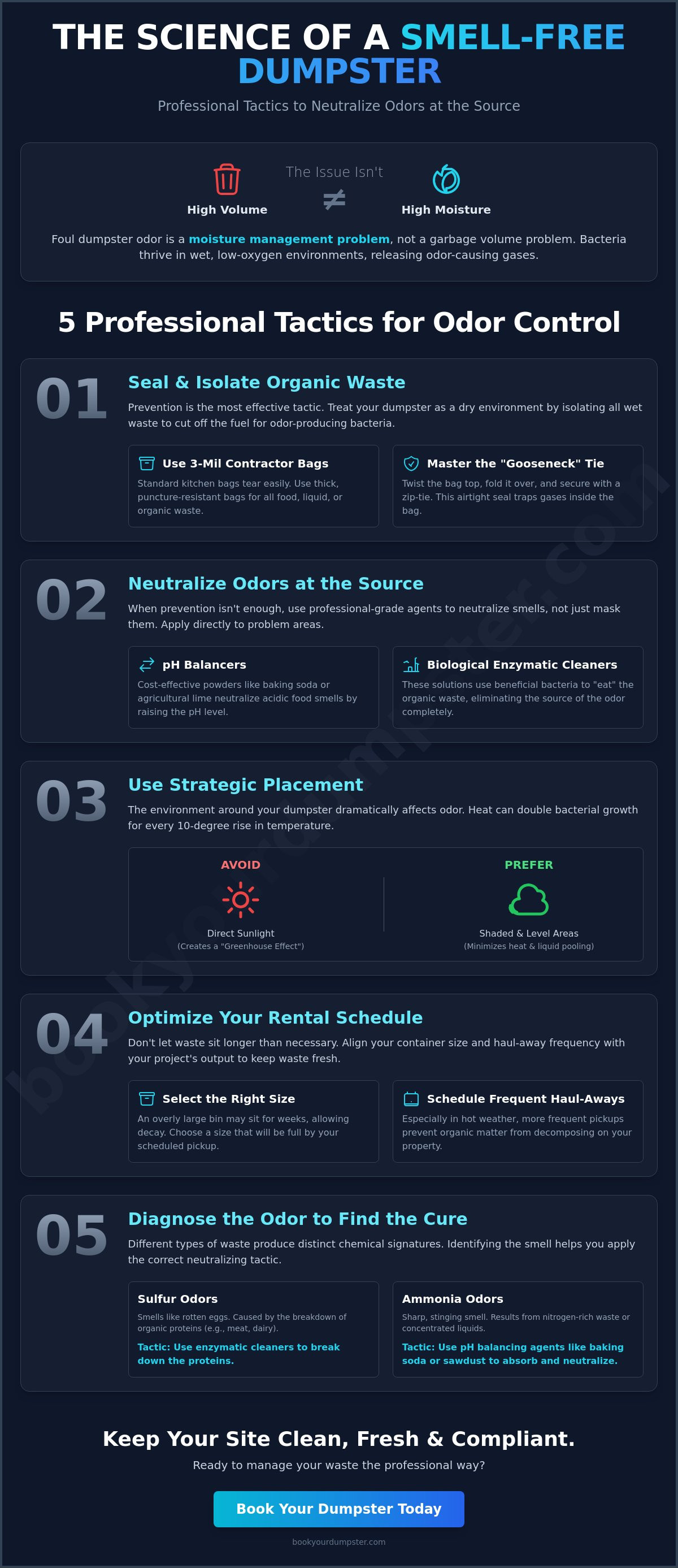
- Isolate organic waste with 3-mil contractor bags to prevent the moisture buildup that fuels anaerobic decomposition.
- Neutralize acidic food smells at the source using cost-effective pH balancers or biological enzymatic cleaners.
- Reduce heat-driven bacterial growth by placing your bin in a shaded, level location that prevents liquid pooling.
- Learn how to stop a dumpster from smelling bad by optimizing your haul-away schedule and selecting the right container size for your project.
- Distinguish between ammonia and sulfur signatures to apply the specific neutralizing tactics needed for each odor type.
Understanding the Science of Dumpster Odors
Odor isn't just a nuisance; it's a chemical signal. When you want to know how to stop a dumpster from smelling bad, you have to understand anaerobic decomposition. This process occurs when bacteria break down waste in a low-oxygen environment, such as the compressed bottom of a 20-yard dumpster. Bacteria thrive in these pockets, producing gases that permeate the surrounding area. By studying the Science of Dumpster Odors, we know that compounds like cadaverine and putrescine create that distinct rotting scent. These aren't just smells; they're the result of biological activity that you can control with the right tactics.
Identify the specific smell to fix the problem. Sulfur-based odors resemble rotten eggs and signal the breakdown of organic proteins. Ammonia-based odors are sharp and stinging, often resulting from nitrogen-rich waste or concentrated liquids. Construction debris rarely smells on its own, but when mixed with organic lunch waste or moisture from a rainstorm, the chemical profile changes. You aren't just managing trash; you're managing a localized ecosystem.
Heat accelerates this biological disaster. Bacterial growth rates can double for every 10-degree rise in temperature. Moisture acts as the transport medium, carrying bacteria into every corner of the bin and turning solid waste into a liquid sludge. If you don't control the moisture, you can't control the scent.
Common Culprits: What Actually Stinks?
Food waste is the primary driver of rapid decay. Even small amounts of organic matter can contaminate an entire load of dry construction debris. Stagnant water is another major issue. Rainwater mixes with debris to create a toxic "garbage tea" at the base of the bin. Finally, chemical reactions occur when household cleaners or leftover paints mix. This doesn't just smell bad; it creates hazardous fumes that can be dangerous for anyone working near the container.
The Role of Temperature and Humidity
Regional weather plays a massive role in waste management. Summer months in New Jersey or Massachusetts create a "Greenhouse Effect" inside dark metal roll-off containers. The steel absorbs solar radiation, baking the contents and speeding up the decay of organic matter. High humidity prevents liquid evaporation, which traps gases inside the bin. This is why a container that was fine on Monday can become unbearable by Wednesday. Understanding these environmental factors is the first step in learning how to stop a dumpster from smelling bad before the next heatwave hits.
The 'Seal and Dry' Method: Preventing Odor at the Source
Prevention is more effective than any deodorizer. If you want to know how to stop a dumpster from smelling bad, start by cutting off the moisture that fuels bacterial growth. This requires a shift from standard disposal habits to industrial-grade containment. You must treat the bin as a dry environment. Any introduction of wet waste needs to be handled with specific materials to prevent it from contaminating the rest of the load.
Use 3-mil thick contractor bags for all organic or wet waste. Standard kitchen bags are too thin; they tear under the weight of surrounding debris, releasing liquids that pool at the bottom. Double-bag any food scraps or bathroom waste. This creates a secondary barrier against leaks and airborne odors. Keep the dumpster lid closed tightly before every rainstorm. Water is the primary catalyst for the "garbage tea" mentioned in the previous section. If you own the bin, drill small drainage holes at the corners to prevent pooling, but check your rental agreement first. Most rental contracts prohibit modifications to the steel structure.
Pro-Grade Bagging Techniques
Containment depends on the seal. Use the "Gooseneck" tie method: twist the top of the bag into a tight rope, fold it over itself to create a loop, and secure it with a heavy-duty zip tie or duct tape. This creates an airtight seal that traps gases inside. Standard kitchen bags fail in a 10-yard dumpster because they lack the tensile strength to survive the drop. Sharp debris like wood scraps or drywall corners will puncture thin plastic instantly. Always place organic waste in the center of the load, shielded by softer materials, to prevent punctures.
Managing Liquids and Moisture
Liquids are the enemy of a fresh job site. Never pour liquid waste directly into a roll-off container. If you have unexpected leaks, use absorbent materials like sawdust or cat litter at the bottom of the bin to soak up moisture before it reaches the floor. Adhering to waste management industry best practices ensures you maintain a professional site and avoid neighbor complaints. On dry, low-humidity days, you can safely "air out" the dumpster by leaving the lid open for an hour, but only if the forecast is clear. For larger projects, choosing the right equipment from BookYourDumpster.com ensures you have a bin that's easy to manage and keep dry. This is the most reliable way to learn how to stop a dumpster from smelling bad during a long-term renovation.
Deodorizing Agents: Natural vs. Professional Solutions
Containment is your first line of defense, but chemical neutralization is how you win the war against persistent odors. When you need to know how to stop a dumpster from smelling bad during a long-term project, you must look beyond simple masking agents. Odor molecules require specific counter-agents to stop off-gassing. You can choose between cost-effective household items or high-performance biological cleaners depending on the severity of the waste profile in your bin.
Baking soda remains the most reliable pH neutralizer for acidic food smells. It's an alkaline substance that reacts chemically with the acids produced during decay. For heavier moisture issues, skip the standard kitty litter recommended by some amateurs. Low-grade clay litter often turns into a heavy, concrete-like sludge that makes haul-away difficult and messy. Instead, use professional-grade wood-based or premium clay absorbent granules. These pellets provide superior moisture control without the sticky residue. If pests like raccoons or rats are a concern, integrate essential oils such as peppermint or eucalyptus. These act as temporary masking agents that also irritate the sensory systems of common scavengers.
The Baking Soda and Vinegar Approach
Create a high-volume neutralizing spray by mixing one part white vinegar with four parts water and a heavy dose of baking soda. Apply this solution directly to the interior walls of the dumpster using a pump sprayer. During the peak of summer, a once-a-week application is insufficient; you should treat the bin every time a new layer of waste is added to maintain the seal. Baking soda reacts with acidic waste compounds to neutralize their pH levels, effectively halting the chemical process that releases foul-smelling gases into the air.
Professional Enzyme Sprays
Bio-enzymatic cleaners are fundamentally different from standard household disinfectants. While bleach simply kills surface bacteria, enzymes actually "eat" the organic matter that causes the smell. This biological approach is the most effective way how to stop a dumpster from smelling bad when dealing with deep-seated "garbage tea" at the bottom of the container. Target the corners and the sludge layer specifically, as these are the primary breeding grounds for anaerobic activity. Always ensure your chosen enzyme product is biodegradable to stay compliant with local wastewater rules in areas like Queens or Brooklyn. This prevents environmental fines while ensuring your site remains professional and odor-free.
Strategic Placement to Minimize Smell Impact
Location determines how fast your trash rots. If you want to know how to stop a dumpster from smelling bad, stop putting it in the direct sun. Direct sunlight creates a greenhouse effect inside the metal bin, spiking internal temperatures. Move the container to a shaded area whenever possible. This keeps the internal temperature lower and slows down the bacterial growth rates mentioned earlier in this guide. Maintain a 10-foot buffer from any windows, air intakes, or property lines. This distance ensures that any escaping gases dissipate before they reach your ventilation system or your neighbors.
Surface preparation is just as critical for odor control. Place the bin on a level, paved surface. If the bin is tilted, liquids will pool in one corner, creating a concentrated "stink zone" that is harder to neutralize with enzymes. Avoid soft soil or grass. These surfaces can trap moisture underneath the bin, leading to external mold growth and rust. Always consider local wind patterns. Position the bin downwind of your main entrance or work area so the breeze carries odors away from your site rather than toward it.
Climate Considerations for NY, NJ, and IL
In New York, New Jersey, and Illinois, humidity and temperature swings are extreme. Managing the snowmelt is vital in cities like Chicago or Boston. Water entering the bin during a thaw cycle will mix with debris and freeze again, trapping odors that release all at once during the next warm spell. For open construction sites in the summer, use temporary structures or existing buildings to block the intense afternoon sun. Protecting your driveway with wooden boards is standard practice, but ensure the boards don't trap standing water beneath the container. High humidity in Massachusetts and New York prevents liquid evaporation, making it even more important to keep the lid sealed during the day.
Pest Deterrence as Odor Control
Pests are a primary cause of odor spikes. Raccoons and rats tear through the heavy-duty contractor bags you've carefully sealed. This releases liquids and organic matter, undoing your containment efforts. Use ammonia-soaked rags near the bin's base to deter scavengers. Motion-activated lights also prevent nighttime activity. If pests can't get in, they can't break your seals. Keeping animals away is a direct way how to stop a dumpster from smelling bad by maintaining the integrity of your bagging system.
Select a service that understands these logistical needs. Schedule your next dumpster rental with a provider that offers the right bin size for your specific location and project type.
Managing Your Rental: Haul-Away and Maintenance
Logistics are the final piece of the puzzle. Even with perfect bagging and placement, time is the enemy of a fresh job site. If a container sits too long, the biological processes discussed in previous sections will eventually bypass your defenses. To master how to stop a dumpster from smelling bad, you must synchronize your project timeline with your waste removal schedule. Stagnant waste is the leading cause of persistent site odors, especially during high-heat months.
Schedule more frequent pick-ups during the summer. While a two-week rental might be standard for a basement cleanout, the heat in Illinois or New York requires a faster turnover to prevent anaerobic decay. Communicate with your provider about odor concerns before the delivery. Ask about their cleaning protocols for returned bins to ensure you receive a sanitized container. Once the bin is hauled away, perform a dry sweep of the area. Small debris or liquid residue left on your driveway can continue to smell and attract pests long after the metal container is gone.
- Inspect the bin floor daily for loose, wet debris.
- Ensure the lid is fully latched every night.
- Avoid overfilling the bin beyond the "fill line" to maintain a tight lid seal.
- Report any leaks or structural damage to your provider immediately.
Choosing the Right Dumpster Size
Oversized containers often lead to longer sit-times. A half-full 40-yarder that sits for a month will smell significantly worse than a 20-yarder that is emptied twice. Selecting a 10-yard dumpster is often the smarter move for residential projects involving organic waste or household junk. It encourages faster turnover and is easier to manage in tight, shaded spaces. For more complex projects, check out our guide on roll off dumpster rental for sizing tips that balance capacity with site efficiency.
The Book Your Dumpster USA Advantage
We prioritize equipment integrity to help you maintain a professional site. Our inventory consists of well-maintained containers that arrive clean and ready for use. We offer fast turnaround times in New York and Illinois, ensuring your waste doesn't sit long enough to become a liability. We understand the local climate challenges and provide the reliable service needed to keep your project moving without the stress of foul odors. Ready to clear the air? Book your next dumpster online today and take control of your site's environment. This is the most direct way how to stop a dumpster from smelling bad before your project even begins.
Maintain a Fresh and Professional Job Site
Controlling dumpster odors is a matter of moisture management and logistical discipline. You now have the professional tactics needed to neutralize gases and prevent bacterial growth. By using 3-mil contractor bags and placing your container in a shaded area, you eliminate the primary catalysts for foul smells. Remember that selecting the right equipment is the foundation of a clean project. Knowing how to stop a dumpster from smelling bad allows you to focus on your work without the distraction of neighbor complaints or pest issues.
Our team provides the high-functioning tools you need to stay on schedule. We offer 10, 20, 30, and 40-yard sizes. This range covers any residential or commercial project. With streamlined online booking and reliable service across NY, NJ, IL, and MA, we remove the stress of waste management. Book a clean, reliable dumpster for your next project today. You don't have to settle for a messy site; take control of your environment with a dependable partner.
Frequently Asked Questions
Can I use bleach to clean a rented dumpster?
Yes, you can use a diluted bleach solution to sanitize the interior walls of a rental. It effectively kills the bacteria that cause odors. However, don't leave concentrated bleach on the steel floor for extended periods, as it can lead to corrosion. Rinse the bin with fresh water after application to maintain the equipment's integrity. Ensure you don't mix bleach with other household chemicals already in the bin.
How often should I deodorize my dumpster during a summer renovation?
Treat the bin every 48 to 72 hours during summer projects. High temperatures in regions like New Jersey or Illinois cause organic matter to decay twice as fast. Applying a deodorizer once a week is insufficient when the internal temperature exceeds 90 degrees. Add a fresh layer of neutralizing granules every time you dispose of wet debris. This is a key step in how to stop a dumpster from smelling bad during a heatwave.
Does kitty litter actually help with dumpster smells?
Kitty litter absorbs moisture but is not the most professional choice. Clay-based litters often turn into a heavy, sticky sludge that adheres to the metal floor. This makes the haul-away process messy and can lead to residue buildup. Use industrial wood-based absorbent pellets or specialized clay granules instead. These products manage moisture more efficiently without creating the difficult cleanup issues associated with standard cat litter.
What is the best way to keep maggots out of my dumpster?
Prevent fly access by keeping the lid closed and sealing all organic waste. Maggots are the larvae of flies that thrive on exposed food scraps. Use heavy-duty contractor bags and the gooseneck tie method to isolate food waste. If you notice an infestation, apply a thin layer of garden lime over the debris. This alters the pH level and makes the environment uninhabitable for larvae.
Will a lid really stop the smell from reaching my neighbors?
A lid acts as a vital physical barrier but is only one part of the solution. It prevents wind from carrying odors directly to your neighbors and keeps rainwater out. However, if the internal waste is already decomposing, gases will still escape through small gaps. Combine a closed lid with the "Seal and Dry" method to ensure you truly know how to stop a dumpster from smelling bad at the source.
Are there specific items I should never put in a dumpster to avoid smells?
Never dispose of unbagged food scraps, animal waste, or raw liquids. These items are the primary drivers of rapid anaerobic decomposition. You should also avoid putting hazardous chemicals, wet paint, or flammable materials in the bin. These substances don't just smell; they can react with other waste to create toxic fumes. Keep your dumpster limited to dry construction debris and properly sealed household junk.
How do I stop a dumpster from smelling like dead animals?
Use bio-enzymatic cleaners that specifically target protein-based odors. These biological solutions break down the organic matter causing the scent rather than just covering it up. If the smell is localized, you may need to move debris to find and remove the source. Apply peppermint oil around the base of the bin to deter other scavengers from entering and adding to the problem.
Can I spray perfume or air freshener inside the bin?
Avoid using perfumes or aerosol air fresheners inside the container. These products provide a temporary floral scent that quickly mixes with the garbage odor, often creating a more unpleasant result. They don't neutralize the bacteria responsible for the smell. Stick to professional-grade pH balancers or enzyme sprays. These agents address the chemical cause of the odor and provide a long-lasting solution for your job site.