What if the biggest threat to your renovation budget isn't the cost of materials, but the logistics of the waste they leave behind? Most homeowners focus on the new kitchen layout while ignoring the tons of debris that need a home first. Securing a reliable remodeling dumpster rental is about more than just finding a box for your trash. It's a technical decision that involves protecting your driveway from structural damage and avoiding the weight-limit traps that lead to expensive overage fees.
You expect your project to stay on schedule without the headache of city permit fines or late pickups. This guide shows you how to master waste management by selecting the perfect container size and scheduling for maximum efficiency. We'll break down the specific weight limits for heavy materials like tile and concrete, explain how to navigate permit rules in dense areas like Queens or San Francisco, and provide a clear timeline to keep your site clear from demolition to the final walkthrough. Follow these steps to ensure your debris removal is as professional as your renovation.
Key Takeaways
- Maintain a clear and safe job site by using dedicated roll-off containers for construction-grade debris like nails, glass, and heavy materials.
- Match your container to the specific project type using our room-by-room guide, featuring the 10-yard "Remodeler’s Favorite" for smaller updates.
- Avoid expensive overage fees by calculating the weight of high-density materials like tile and concrete before finalizing your remodeling dumpster rental.
- Navigate local permit regulations and placement logistics in high-density metros such as Queens, San Francisco, and Boston to prevent project delays.
- Utilize streamlined online booking systems to ensure precise scheduling, transparent pricing, and timely pickups that keep your renovation on track.
Why a Remodeling Dumpster Rental is Essential for Your Project
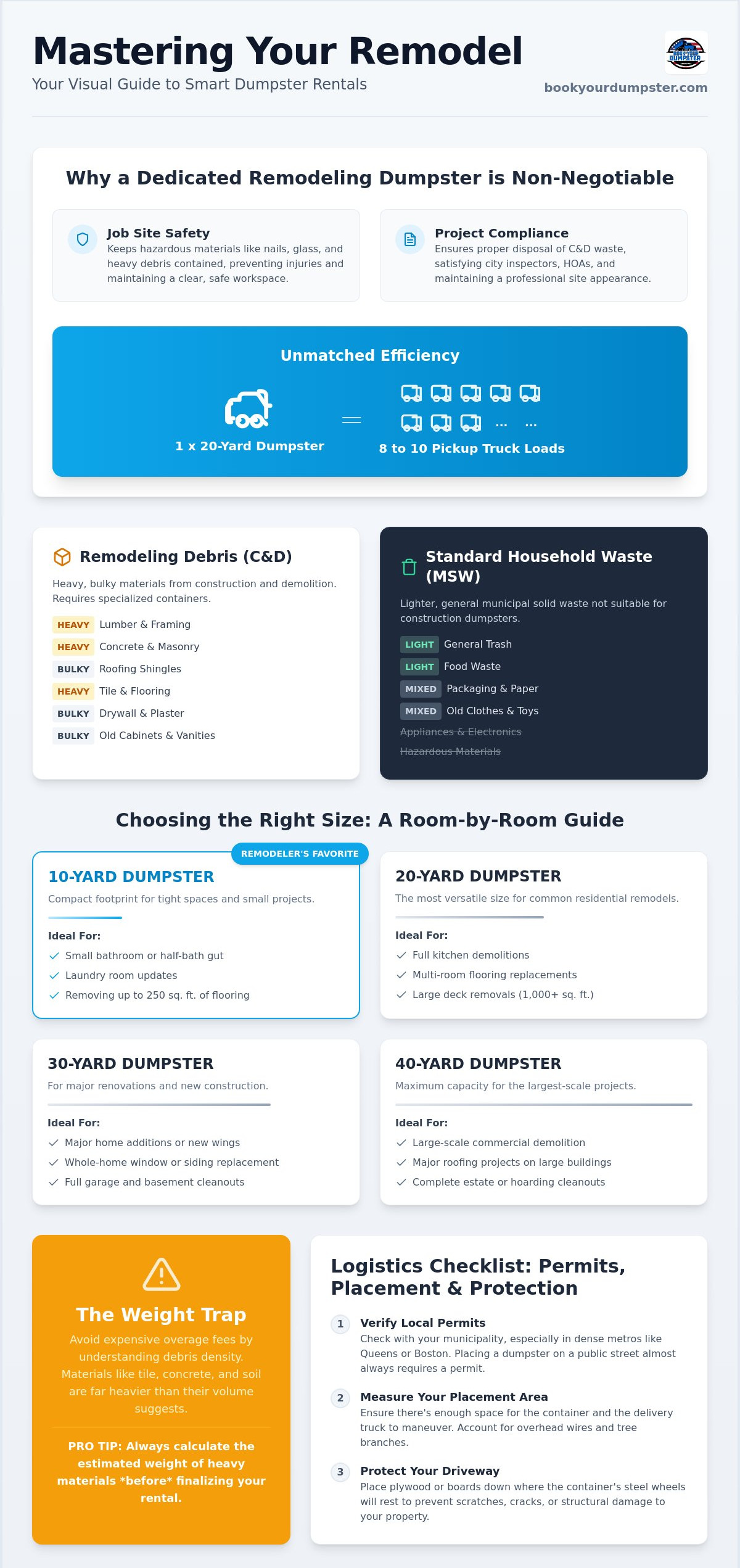
A remodeling dumpster rental is a specialized roll-off container engineered to handle construction-grade materials. Unlike standard trash bins, these units are designed for the weight and volume of structural debris. Using one keeps your job site organized and prevents the accumulation of hazardous materials like jagged glass, protruding nails, and heavy masonry. It is a critical safety measure for both DIY homeowners and professional crews. Maintain a clear workspace to avoid injuries and keep your project moving toward completion.
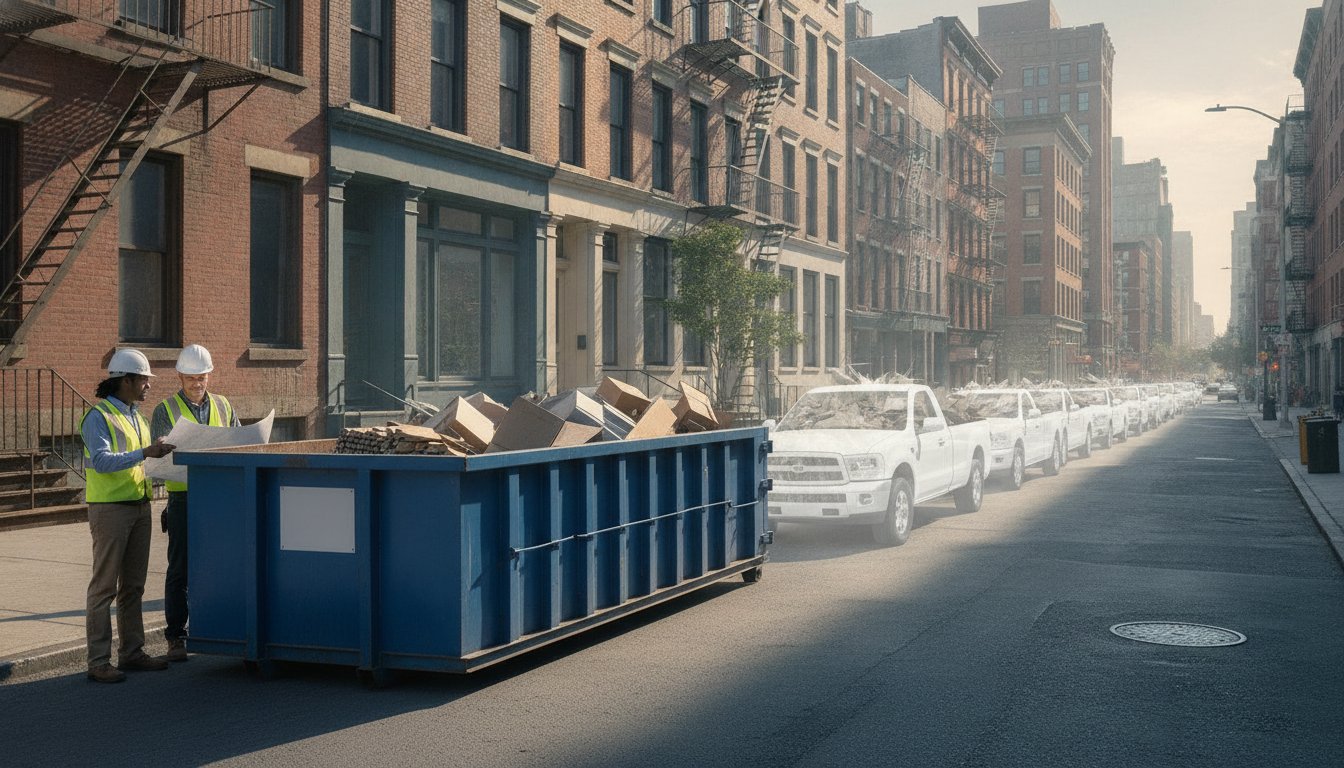
Efficiency is the primary driver for choosing a roll-off service. A single 20-yard container holds the equivalent of roughly eight to ten pickup truck loads. Eliminating multiple trips to a local landfill saves hours of labor and significant fuel costs. For urban renovations in dense metros, Book Your Dumpster USA simplifies these logistics. We handle the placement challenges in areas like Queens or San Francisco, ensuring your project moves forward without waste overflow. Centralizing your waste management provides several immediate benefits:
- Safety: Keep sharp metal and broken glass off the ground to prevent foot injuries.
- Accessibility: Prevent heavy stacks of old flooring or drywall from blocking exits and walkways.
- Compliance: Maintain a professional appearance that keeps neighbors and city inspectors satisfied.
- Speed: Spend less time hauling trash and more time on the actual renovation work.
Remodeling Debris vs. Standard Household Waste
Remodeling projects generate Demolition waste, which differs significantly from municipal solid waste (MSW). While MSW consists of standard household trash, construction and demolition (C&D) debris includes dense materials like lumber, roofing, and flooring. Local regulations often require the separation of specific items like metal or drywall to comply with recycling mandates. Remodeling waste is almost always heavier and bulkier than simple cleanout junk. You need a container built for high-density loads to avoid structural failure or transport issues.
The Logistics of Roll-Off Containers
The roll-off design is a mechanical advantage for residential projects. These containers are delivered via a hydraulic hoist and rolled into position, allowing for precise placement in tight driveways or narrow city streets. The open-top design facilitates the easy loading of oversized items such as kitchen cabinets, bathroom vanities, and long sections of framing. Depending on your project scope, you can choose from 10, 20, 30, or 40-yard options. This range ensures you have the right capacity for everything from a small powder room update to a full-scale home addition. Select the size that matches your heaviest materials to ensure a smooth pickup process.
Choosing the Right Size: A Room-by-Room Estimation Guide
Selecting the correct container for your project is a technical calculation, not a guess. Volume is only half the battle. The type of debris you generate dictates the footprint and weight capacity you need. A small bathroom gut produces dense, heavy tile waste, while a kitchen remodel involves bulky but lighter cabinetry. Miscalculating this leads to overflow or weight-limit penalties. Use this room-by-room guide to match your project scope to the appropriate remodeling dumpster rental size.
- 10-Yard Dumpster: Half-bath guts, laundry room updates, or removing 250 sq. ft. of tile flooring.
- 20-Yard Dumpster: Full kitchen remodels, multi-room flooring replacements, or large deck removals.
- 30-Yard Dumpster: Major home additions, whole-home window replacements, or siding projects.
- 40-Yard Dumpster: Commercial-scale demolition, large-scale roofing, or total estate cleanouts.
Adhering to EPA guidelines on C&D materials ensures your project remains environmentally compliant while managing the massive volume of waste renovations produce. Most residential driveways can easily accommodate a 10 or 20-yard unit without blocking sidewalk access. Before you book, measure your available space and account for the truck's need to maneuver during drop-off.
The 10-Yard Dumpster: The Small Remodel Specialist
The 10-yard unit is often called the "Remodeler’s Favorite" for its compact footprint. Typically measuring 10 feet long, 8 feet wide, and 3.5 feet high, it fits into tight urban driveways in cities like Queens or San Francisco. This size is ideal for focused projects such as a powder room renovation or a small laundry room update. It handles roughly three to four pickup truck loads of debris. For a deeper dive into these dimensions and weight limits, read our 10 Yard Dumpster Rental: The Complete Buying Guide for 2026.
Mid-Size to Large Projects: 20 and 30-Yard Containers
Step up to a 20-yard container when your project expands to a full kitchen gut. Removing cabinets, countertops, and appliances quickly consumes volume. This size is the most common choice for residential renovations because it balances capacity with a manageable physical size. For major structural changes or home additions, the 30-yard dumpster is necessary. It provides the height needed for long framing lumber and bulky insulation. 40-yard dumpsters are rarely used for standard residential remodels; these are industrial tools reserved for commercial demolition or significant roofing jobs. If you are unsure which size fits your specific floor plan, check size availability to see exact dimensions for your zip code.
The Weight Trap: Managing Heavy Renovation Materials
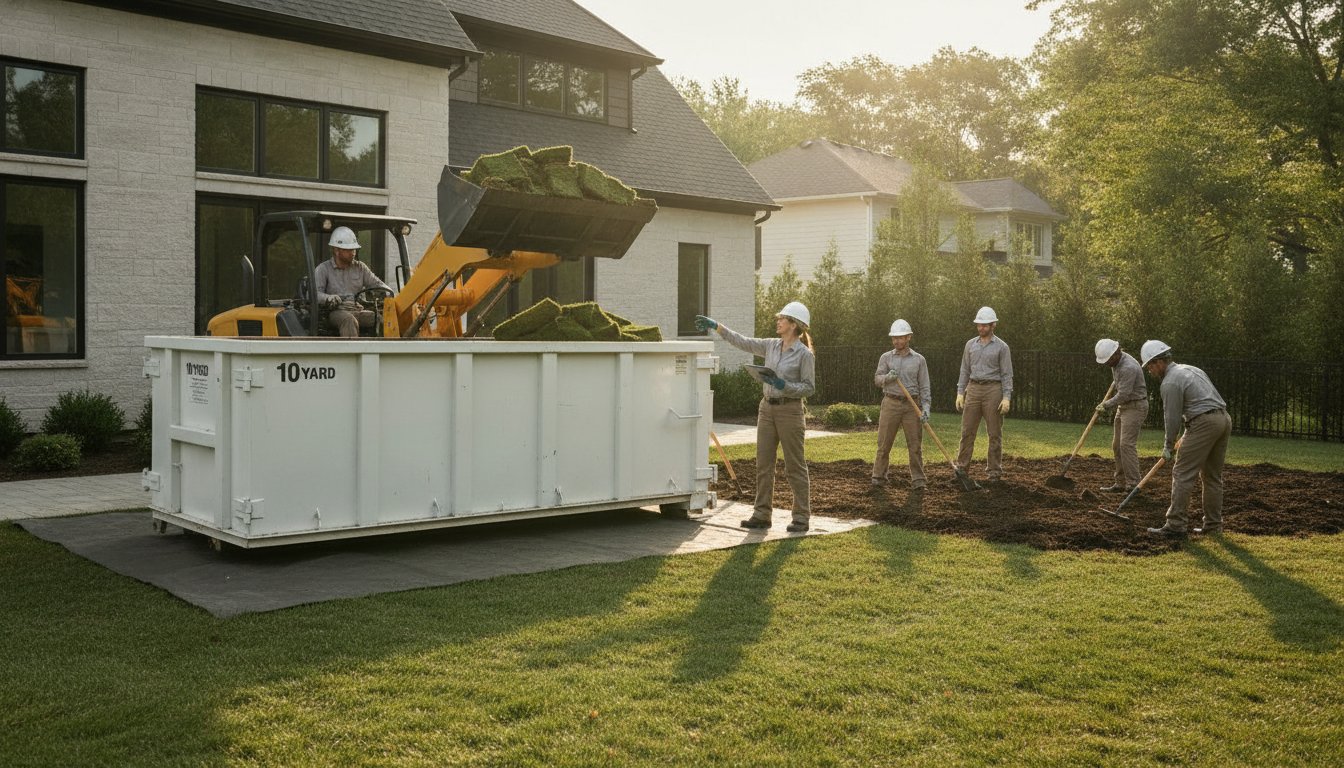
Every remodeling dumpster rental comes with a specific weight capacity, often referred to as a tonnage limit. While a container might have plenty of physical space left, exceeding its weight rating creates significant risks. Overloaded dumpsters are hazardous to transport and frequently result in expensive overage fees. You must understand the density of your debris to avoid these logistical pitfalls. Heavy materials put extreme stress on the truck's hydraulic system and can even damage your driveway if the weight is not distributed correctly. Estimating weight before the truck arrives for pickup ensures a smooth transition and keeps your project budget on track.
Do not assume that all construction waste is equal. A container filled with light wood framing weighs significantly less than one filled with bathroom tile or old masonry. If you ignore the tonnage limit, you risk a "dry run" fee where the driver refuses to pick up the container until it's lightened. This delays your schedule and adds unnecessary labor costs to your renovation. Plan ahead by identifying which materials in your project fall into the heavy debris category.
Common Heavy Materials in Home Remodels
Materials vary drastically in density and weight. A standard square foot of ceramic tile typically weighs between 3.5 and 4.5 pounds depending on its thickness. This adds up quickly during a full bathroom gut. Old plaster and lath walls are also surprisingly heavy compared to modern drywall; they often contain multiple layers of dense material and wooden strips that pack tightly. If your project involves concrete, brick, or dirt, you may need a dedicated 10-yard container specifically for clean fill. These materials are so heavy that filling a larger 20 or 30-yard bin even halfway could exceed legal road weight limits. In dense urban environments, managing these weight limits is as critical as understanding dumpster permit requirements to avoid city fines.
How to Load for Weight Distribution
Proper loading is essential for safety and haulage. Place your heaviest items, such as tile, sinks, and masonry, at the bottom of the container. Distribute this weight evenly across the floor rather than piling it in one corner to keep the truck stable during the loading process. Always follow the "waterline" rule: never fill debris above the top edge of the container. Protruding items make the load unsafe for transport and violate DOT regulations. Drivers will not haul a container that has debris spilling over the sides. Book Your Dumpster USA provides clear guidance on weight limits at the time of booking. This transparency helps you choose the right tonnage for your specific materials, ensuring there are no surprises or hidden fees when the project concludes.
Local Logistics: Permits and Placement in Major Metros
Every city operates under its own set of logistical rules. A remodeling dumpster rental in San Francisco requires different planning than one in a New Jersey suburb. Local regulations aren't suggestions; they're legal requirements that impact your project's timeline and budget. If you're working in high-density areas like Queens or downtown San Francisco, space is your biggest constraint. You must account for narrow one-way streets, tight corners, and heavy traffic that can complicate delivery and pickup. Failure to coordinate these details often results in "dry run" fees if the truck cannot safely access your site.
The first decision involves placement: private property versus public space. If the container sits entirely on your driveway, you typically don't need a permit. However, if any part of the unit touches a sidewalk, curb, or public street, you must secure a "Right of Way" or "Street Use" permit. These permits generally cost between $10 and $150 depending on the city's fee structure. The application process usually requires a site map and the exact dimensions of the container. Secure these documents at least a week before your start date to avoid delays. Select your city and book now to see specific local requirements for your zip code.
Protecting Your Property During the Remodel
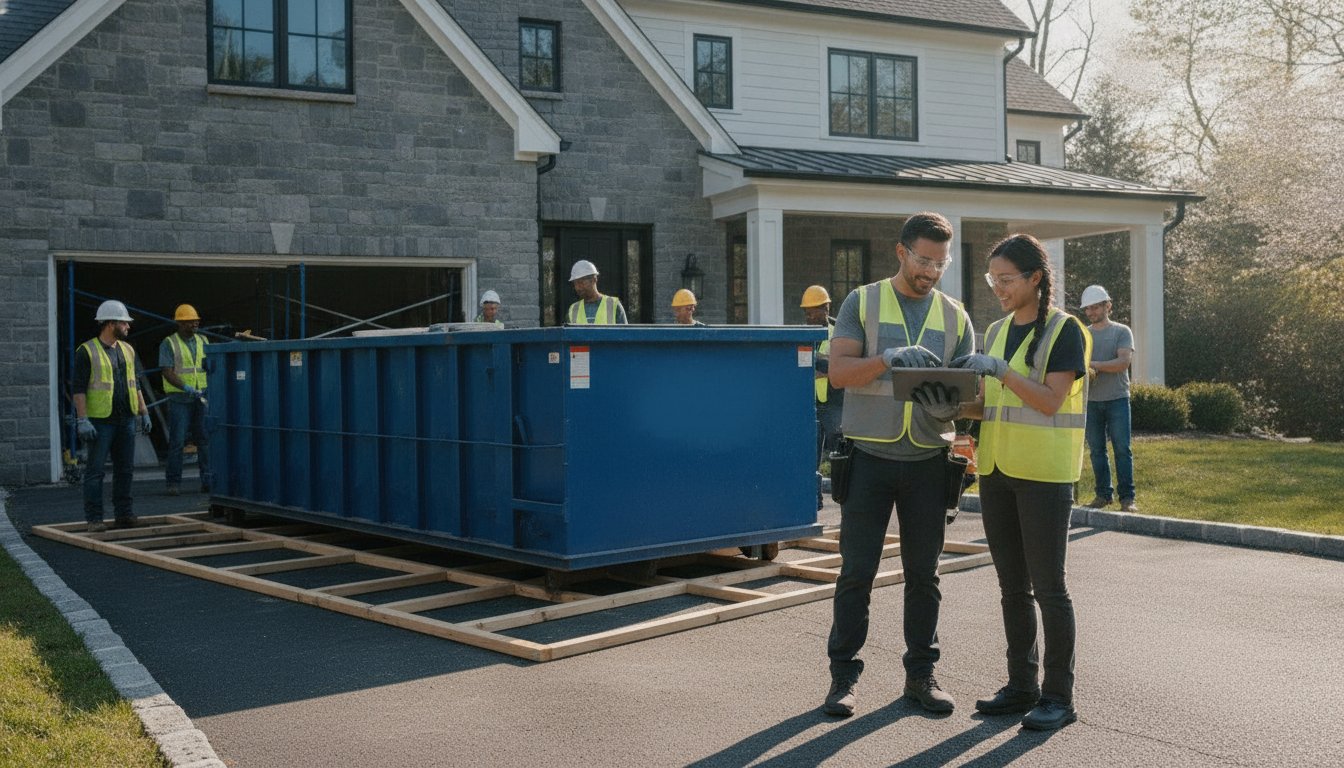
Roll-off containers are heavy, and the steel wheels can crack asphalt or scrape finished concrete. Protect your driveway by placing large sheets of plywood or specialized "street pads" where the wheels will rest. This simple step prevents structural damage and keeps your property looking professional. You also need to look up. Ensure there is a 22-foot vertical clearance for the truck to operate its hydraulic hoist. Low-hanging power lines, cable wires, and tree branches are common obstructions that can prevent a safe drop-off. Clear the area of any vehicles or equipment before the driver arrives to ensure a seamless delivery.
Regional Regulation Highlights
Permit requirements vary significantly between major metros. In Chicago, the "Right of Way" rules focus heavily on pedestrian access, while Boston has strict seasonal requirements for street placement. Understanding these nuances is the difference between a smooth project and a city-mandated work stoppage. For a detailed breakdown of these differences, consult Dumpster Rental in New York, Illinois, and Massachusetts: The 2026 Complete Guide. Book Your Dumpster USA simplifies this process by helping you navigate local delivery nuances and ensuring your container meets all municipal standards. We act as your pragmatic partner, providing the tools you need while you focus on the renovation itself.
Booking Your Remodeling Dumpster: A Seamless Process
Transitioning from the planning phase to active demolition requires a waste management partner that respects your timeline. Securing a remodeling dumpster rental should be the fastest part of your project setup. Our digital-first approach replaces the opaque phone tag of traditional hauling with a streamlined online booking system. You select your size, confirm your metro area, and finalize the schedule in minutes. This efficiency ensures your container arrives exactly when the first hammer swings, preventing debris from piling up and stalling your crew's progress.
We operate as your pragmatic partner in the renovation process. This means we provide the high-functioning tool you need, and you maintain control over the job site. To initiate the process, have your delivery date, material type, and specific placement instructions ready. Whether you are disposing of heavy bathroom tile or bulky kitchen cabinetry, providing accurate material data ensures we match you with the correct tonnage limit. This transparency is our version of a verbal handshake; it guarantees pricing integrity and eliminates the "hidden fees" that often plague the construction industry.
What to Expect on Delivery Day
Preparation is key to a successful drop-off. Clear the designated drop-off zone of all vehicles, equipment, and low-hanging obstructions before the truck arrives. If you provided detailed placement instructions during the booking process, you don't need to be home for the delivery. Our drivers use professional precision to place your 10, 20, 30, or 40-yard container exactly where you need it. We prioritize punctuality because we understand that a late delivery can throw off an entire day of scheduled labor. Once the bin is on the ground, it's ready for immediate loading.
Scheduling Your Pickup
Managing the conclusion of your rental is just as simple as the start. Once your container is full or your project is complete, log into your account or call our service line to schedule a haul-away. Standard rental periods are designed to accommodate most residential renovations, but we understand that structural surprises can extend your timeline. If your remodel runs long, contact us to request a rental extension. We maintain a high-velocity communication rhythm to ensure your full container is swapped or removed promptly, leaving you with a clean, finished site. Book your remodeling dumpster online today to experience a waste management service built for the modern contractor and homeowner.
Secure Your Project Schedule Today
A successful renovation depends on more than just quality craftsmanship; it requires precise waste management. You now have the technical knowledge to choose the correct 10, 20, 30, or 40-yard container based on your specific project density and local city regulations. By mastering these logistics, you protect your driveway from structural damage and your budget from hidden weight overages. Our local expertise in metros like New York, Illinois, and San Francisco ensures that your remodeling dumpster rental arrives on time and stays compliant with municipal rules.
Don't let debris accumulation slow down your progress or create safety hazards for your crew. Utilize our streamlined online booking system to manage your disposal needs with professional efficiency. We provide the reliable tools you need to stay in control of your site from demolition to the final inspection. Rent Your Remodeling Dumpster Now and focus on building your vision while we handle the heavy lifting. Your project stays on track when the logistics are handled with transparency and precision.
Frequently Asked Questions
What size dumpster do I need for a standard kitchen remodel?
A 20-yard container is the industry standard for a full kitchen remodel. This size accommodates the high volume of bulky cabinets, countertops, and flooring debris generated during a total gut. If your project involves heavy materials like granite or concrete, ensure you check the specific tonnage limit to prevent overage charges. Choosing a size too small results in overflow and project delays.
Can I put old appliances or electronics in my remodeling dumpster?
You cannot put electronics or appliances containing refrigerants in a standard roll-off. Items like televisions, monitors, and refrigerators require specialized recycling and disposal to comply with environmental laws. Always check local municipal guidelines for appliance pickup services separate from your remodeling dumpster rental. Improperly disposing of these items can lead to significant fines and refusal of service at the landfill.
Do I need a permit if the dumpster is sitting in my own driveway?
You typically do not need a permit if the container is placed entirely on your private driveway. Permits are only required for placement on public property, such as a street, sidewalk, or right of way. Check with your local public works department if you have any doubts about property boundaries in high-density areas. Securing a permit ahead of time prevents city-mandated work stoppages and unexpected fines.
How much weight can a 20-yard remodeling dumpster actually hold?
A 20-yard remodeling dumpster generally has a weight limit of two to four tons depending on the local regulations and truck capacity. This capacity is sufficient for standard construction debris like wood framing and drywall. However, if you load it with dense materials like tile, plaster, or concrete, you will reach the weight limit long before the container is physically full. Monitor your weight distribution carefully to avoid transport issues.
What happens if I overfill the dumpster past the top rail?
If you fill a dumpster past the top rail, the driver will not haul it away for safety reasons. This creates a hazard for other motorists and violates DOT regulations regarding secure loads. You will incur a dry run fee and must remove the excess debris before a second pickup attempt is made. Always follow the waterline rule and keep all materials level with the container's top edge.
Are there items I am prohibited from putting in a construction dumpster?
Prohibited items include hazardous waste such as wet paint, motor oil, batteries, and asbestos. Flammable liquids, chemicals, and pressurized tanks are also strictly banned from construction containers. Disposing of these items improperly results in significant environmental fines and specialized handling fees at the transfer station. Contact a local hazardous waste facility for instructions on how to safely dispose of these specific materials.
How much notice do I need to give for a dumpster delivery in New Jersey or New York?
Provide at least 24 to 48 hours of notice for deliveries in high-density areas like New Jersey or New York. Demand in these metros is high, and scheduling ahead ensures you get the exact size you need for your project timeline. Use an online booking system to secure your delivery date and placement instructions instantly. Planning ahead prevents labor crews from sitting idle while waiting for a container.
What is the average cost of a remodeling dumpster rental in 2026?
The total cost of a rental depends on several variables, including the container size, the weight of the debris, and the specific landfill fees in your metro area. Local permit requirements also add to the final investment if you place the unit on a public street rather than a driveway. Always use a transparent booking system to see the exact price for your specific location and material type before finalizing the order.