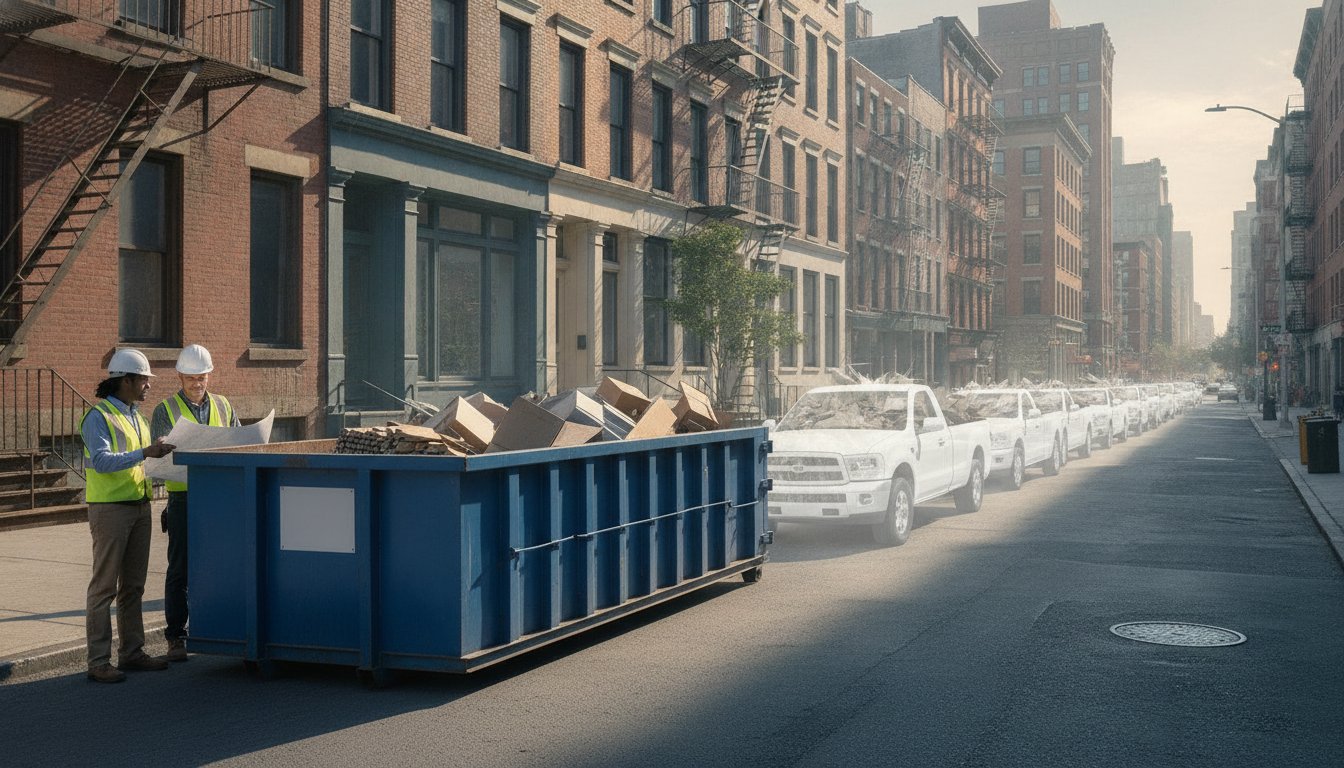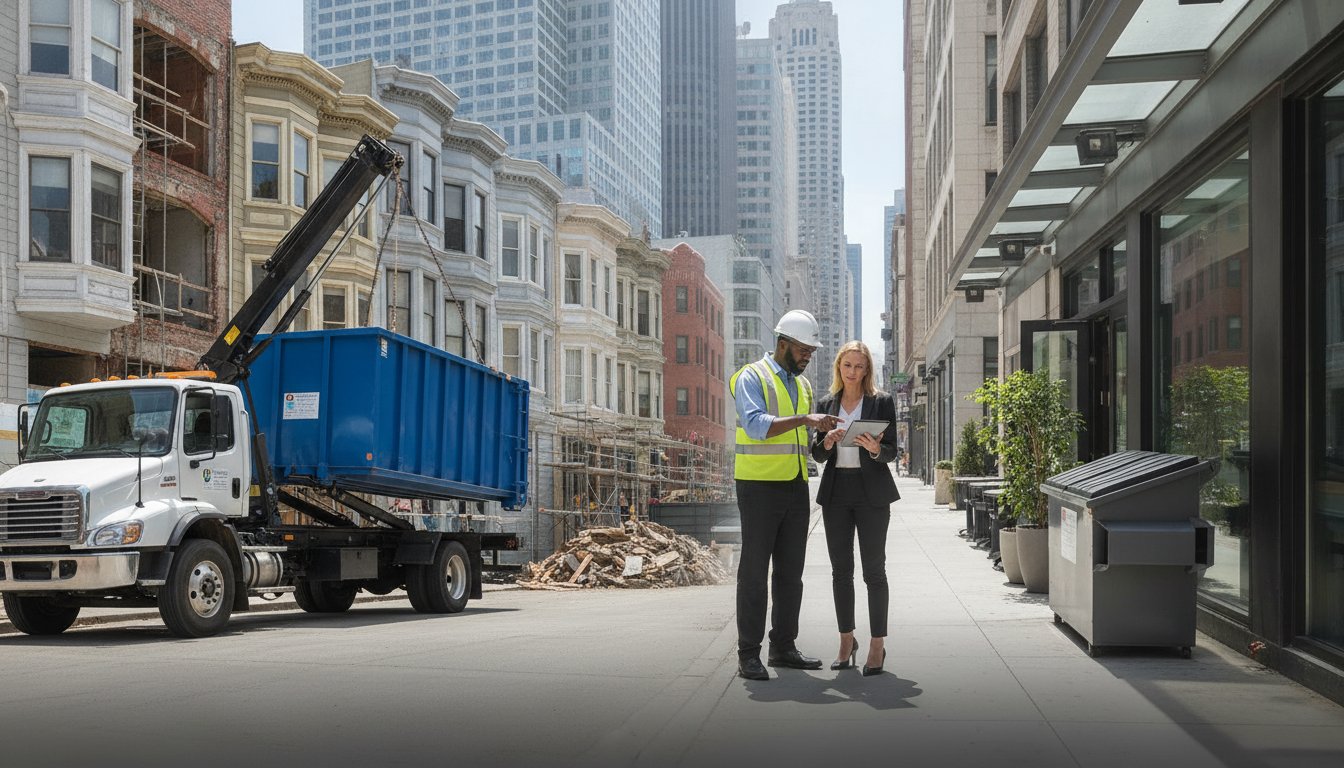
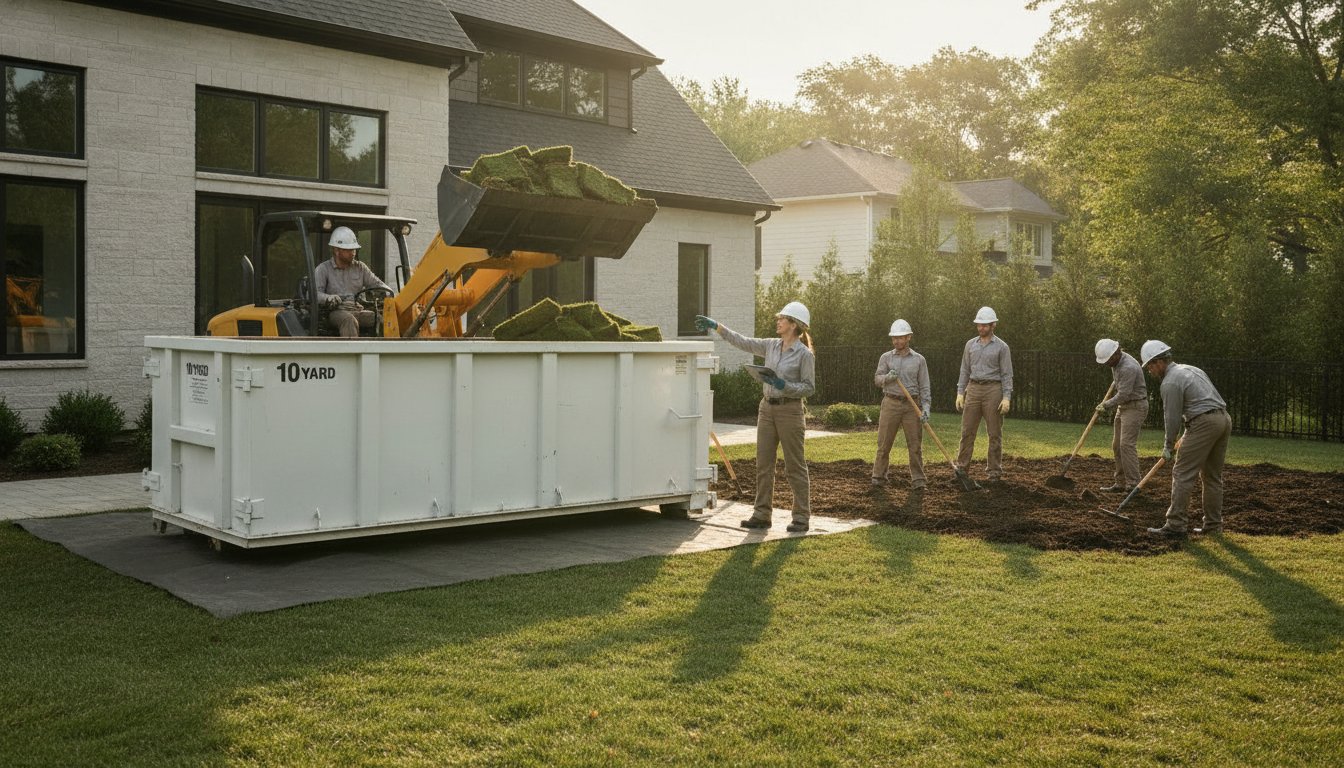
Your 40-yard dumpster might be the most expensive mistake on your job site if you're hauling sod and dirt. Finding the right dumpster solutions for landscaping businesses isn't just about volume; it's about avoiding the weight traps that eat your profit margins. You've likely dealt with the sting of hidden overweight fees or projects that stalled because of a slow container swap. It's frustrating when logistical failures make your professional crew look disorganized or cause property damage from poor placement.
We'll show you how to master waste management to ensure predictable costs and faster job site turnover. This guide explains how to choose between 10, 20, 30, and 40-yard containers based on material density rather than just physical size. You'll also learn how to navigate the 2026 organics management laws in states like New York and Illinois to keep your business compliant and efficient. Stop guessing at your disposal needs. Use this professional strategy to protect your equipment, your timeline, and your bottom line.
Key Takeaways
- Identify the most efficient dumpster solutions for landscaping businesses by matching container sizes to material density, such as using 10-yard units for heavy dirt.
- Calculate the hidden costs of manual hauling by comparing crew labor hours and vehicle wear against the speed of roll-off rentals.
- Navigate 2026 clean fill regulations and weight limits in markets like New York and Illinois to eliminate unexpected overage fees.
- Protect your profit margins by treating waste logistics as a strategic tool for faster job site turnover and improved brand reputation.
- Streamline your scheduling with an online booking system designed to provide punctual delivery and transparent pricing for every project.
Scaling Your Landscaping Business with Efficient Waste Solutions
Logistics are the silent engine of your profitability. While your crew focuses on hardscaping and design, the way you handle debris determines whether you actually keep your margins. In highly competitive markets like New Jersey and Illinois, your job site serves as a live billboard for your brand. A disorganized site cluttered with piles of sod and dirt suggests a lack of control. Utilizing professional dumpster solutions for landscaping businesses ensures that your workspace remains clean, projecting an image of competence to neighbors and potential clients. This isn't just about hauling trash; it's about maintaining a high-functioning environment where your team can move without obstruction.
Specialized landscaping waste management differs significantly from general residential trash removal. You're dealing with high-density materials like "clean fill" including dirt, rock, and brick. These materials require specific equipment and weight-limit strategies to avoid massive overage fees. By integrating Roll-off dumpsters directly into your project workflow, you eliminate the need for your crew to act as part-time haulers. This keeps your best workers on-site, doing the skilled labor you hired them for, rather than wasting hours behind the wheel of a dump truck.
Meeting Commercial Demands in 2026
Project timelines have compressed and client expectations have reached an all-time high. You can't afford to wait for a phone representative to schedule a container swap while your project sits at a standstill. Managing multiple job sites simultaneously requires a digital-first approach. Use the Book Your Dumpster USA online booking system to coordinate deliveries and pickups from your smartphone. This level of control is essential for staying compliant with 2026 organics laws in New York and Massachusetts, where specific recycling mandates for yard waste are strictly enforced. Partnering with an expert ensures your debris ends up at the correct facility, protecting you from regulatory headaches.
The Cost of Inefficient Debris Management
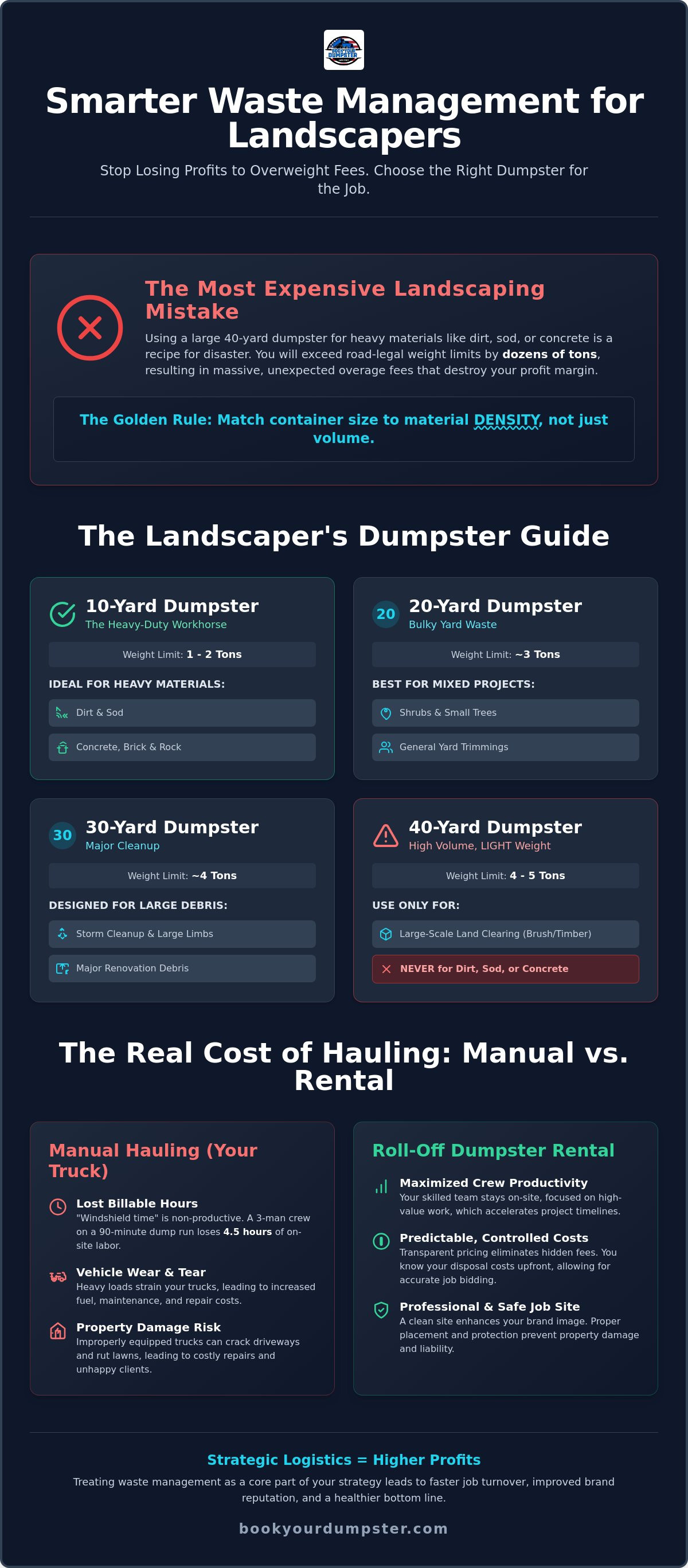
Every minute your crew spends on "windshield time" driving to a local dump is a direct hit to your bottom line. If a three-man team spends 90 minutes hauling a load, you've lost 4.5 hours of billable production. Over a standard work week, those lost hours can prevent you from taking on additional projects. Professional dumpster placement also mitigates the risk of property damage claims. Amateur hauling often leads to cracked driveways or rutted lawns from overweight trucks. A dedicated service provider uses precision placement and protection strategies to keep the client's property intact. This prevents costly insurance claims and avoids municipal fines for improper waste storage on residential streets.
Choosing the Right Dumpster Size for Yard Waste and Debris
Selecting the wrong container volume for your job site is the fastest way to kill your profit. While many providers treat all yard waste as a single category, experienced pros know that the weight of a cubic yard of dirt is vastly different from a cubic yard of pine needles. Effective dumpster solutions for landscaping businesses require a strategic match between material density and container capacity. You must account for the specific weight limits of each unit. A 10-yard container typically handles 1 to 2 tons; however, a 40-yard unit only supports 4 to 5 tons. If you fill a 40-yard container with soil, you will exceed the limit by dozens of tons and face massive overage fees.
The 10-yard dumpster is the workhorse of the industry for "clean fill" projects. If your crew is tearing up a concrete patio or excavating a garden bed, this is your only viable choice. Larger containers simply cannot handle the weight of dirt, sod, or brick without exceeding legal road limits. For a deep dive into weight capacities and loading techniques, consult our 10-yard dumpster guide to avoid logistical delays. Using the right size ensures your project stays on schedule and your costs remain predictable.
When your project shifts to bulky but lighter materials, look to 20-yard and 30-yard options. These sizes provide the necessary volume for shrubs, small trees, and general yard trimmings. A 20-yard container is typically sufficient for full property re-sodding. A 30-yard unit is the standard for storm cleanup or major tree limb removal. Reserve the 40-yard dumpster for massive land clearing operations where you're dealing with hundreds of cubic yards of light brush and timber. If you aren't sure which size fits your current job, check our sizing chart before you book.
Heavy Debris vs. Bulky Waste
Never place dirt, sod, or concrete in a 30 or 40-yard container. These units are designed for volume, not extreme weight. A 30-yard dumpster filled with wet sod is physically impossible for a standard truck to lift. It will also result in legal fines. Follow the "halfway rule" even in smaller containers. Fill heavy materials only to the halfway point to ensure the truck can safely transport the load. The National Association of Landscape Professionals identifies waste management as a core competency for a reason. Proper disposal is a technical skill that protects your equipment and your reputation.
Standard Landscaping Project Size Estimates
- 10-Yard Dumpster: Ideal for small patio removals, garden bed overhauls, and heavy fill like rock, dirt, or brick.
- 20-Yard Dumpster: Best for full property re-sodding projects and extensive shrub or hedge replacement.
- 30-Yard Dumpster: Use this for storm debris cleanup, large tree removals, and bulky organic waste that requires high volume but low weight.
Roll-Off Dumpsters vs. Manual Hauling: A Landscaper’s Comparison
Many landscaping firms start by hauling their own debris to save on perceived costs. This approach often masks the true drain on your company's resources. When you choose professional dumpster solutions for landscaping businesses, you aren't just paying for a container; you're buying back your crew's most productive hours. Manual hauling requires you to pull skilled laborers away from the job site to sit in traffic. It also forces you to use your specialized trucks for waste transport rather than moving equipment or high-value materials to the next project. Stop treating your design-build vehicles like garbage trucks.
The hidden costs of using company trucks for debris transport go beyond fuel. Heavy loads of wet sod and rock accelerate wear on transmissions, brakes, and suspension systems. These repairs are far more expensive than a scheduled dumpster rental. Landfill gate fees are notoriously unpredictable and vary by material weight and type. By using a roll-off service, you benefit from transparent pricing that allows for accurate project bidding. You also transfer the safety and liability risks of waste transport to a professional hauler. Understanding the legal framework for waste disposal in states like New York and Illinois highlights the complexity of yard debris disposal and the importance of using certified sites.
Analyzing the Bottom Line
Every 20-yard dumpster load represents approximately four to six trips in a standard dump truck or trailer. For a three-man crew, those trips can easily consume twelve total man-hours in a single day. While a standard dump trip often consumes two to three hours of crew time, a professional dumpster swap is completed in under twenty minutes. This efficiency allows your team to finish the installation phase faster, leading to quicker final payments and higher client satisfaction. Keep your trucks on tasks that actually generate revenue.
Operational Flexibility for Growing Crews
Managing overflow during peak spring and fall seasons is impossible if your logistics rely solely on your own fleet. Roll-off containers provide a "set it and forget it" solution for multi-day builds. Your crew can focus on the craftsmanship of a stone wall or a complex planting plan without worrying about where the next pile of brush will go. For more strategies on streamlining your job site, read our efficient waste management guide. This level of operational control is what separates a small local outfit from a scalable commercial landscaping enterprise. Use professional tools to handle professional messes.
Key Logistics: Weight Limits and Placement for Landscape Projects
Managing the physical job site requires more than just a place to throw debris. You must understand the specific legal and physical constraints of the location to avoid fines and damage. In states like New York and Illinois, "Clean Fill" regulations are strictly enforced. This means your 10-yard dumpster must only contain dirt, sod, or concrete without any organic brush or wood mixed in. Mixing these materials can lead to rejection at the facility or significant price hikes. Implementing precise dumpster solutions for landscaping businesses helps you navigate these local rules without pausing your work.
Weight limits are the most common pitfall for landscaping crews. While a 30-yard dumpster is great for bulky tree limbs, filling it with wet soil will make it impossible to haul. In 2026, hauling companies are under stricter DOT scrutiny for overweight loads. If you're working in urban hubs like Queens or San Francisco, you also need to manage street permits. Each city has different requirements for street placement. Chicago might require a different permit than San Francisco. Always verify these local mandates before the truck arrives.
Avoiding Overweight Penalties
Estimating weight is a skill your foremen must master. A cubic yard of dry brush weighs far less than a cubic yard of wet topsoil. If your project involves mixed debris, such as large logs and dirt, keep them separated if possible. Layer heavy materials at the bottom to maintain a low center of gravity. Never fill a container past the rim. If you find yourself constantly hitting weight limits, schedule a 10-yard swap specifically for your heavy fill. This specialized approach is one of the most effective dumpster solutions for landscaping businesses dealing with excavation.
Pro-Tips for Safe Dumpster Placement
Protecting the customer's property is vital for your online reviews. Always use plywood or professional street pads under the dumpster's rollers to prevent asphalt scuffing or driveway cracks. Ensure there is at least 60 feet of straight-line clearance for the roll-off truck to drop and pick up the container. Clear communication with the homeowner is mandatory. Confirm the exact placement spot and ensure no cars or equipment block the access path on the scheduled service day. This prevents "dry run" fees and keeps your timeline intact. Professional placement protects your reputation as much as the customer's property.
Partner with Book Your Dumpster USA for Reliable Service
Landscaping schedules are tight. Your crew shouldn't wait for a dumpster while the sun is up. Book Your Dumpster USA provides the most reliable dumpster solutions for landscaping businesses by focusing on speed and pricing integrity. We understand that a delayed drop-off or a missed pickup ripples through your entire project timeline. In 2026, we've refined our logistics to ensure that your containers arrive on time, every time. You get transparent pricing without the hidden fuel surcharges or environmental fees that other haulers tuck into the fine print. This honesty allows you to bid on projects with total confidence in your disposal costs.
Managing multiple job sites requires a central hub for your waste logistics. Set up a commercial account to handle recurring swaps and multi-container projects with a single point of contact. This streamlines your billing and ensures that your preferred sizes are always in stock. Whether you need a 10-yard unit for heavy excavation or a 40-yard container for land clearing, we maintain a full inventory across our service hubs. Our digital dashboard allows you to track every container in your fleet, giving you a level of operational control that traditional haulers can't match. Stop chasing invoices and start growing your business.
Service Areas and Local Expertise
Our team operates in major metro hubs including Chicago, Boston, and the Tri-State area. We don't just drop boxes. We understand the specific local dumpster rental rules that govern street placement in Queens or organics recycling in Massachusetts. This local knowledge prevents your business from facing unexpected municipal fines. We know which permits are required for a 20-yard unit on a San Francisco street and which facilities accept heavy fill in Illinois. Partner with an expert who knows your service area as well as you do. This expertise reduces your administrative burden and keeps your projects moving forward without legal delays.
Get Your Next Job Site Ready Today
Preparation is the key to a profitable season. Use our streamlined online booking system to secure your equipment in minutes. Follow our easy three-step process: select your container size, choose your delivery and pickup dates, and provide your job site location. We offer flexible rental periods that match the reality of landscaping work, from quick one-day cleanups to month-long installations. Don't let debris slow your momentum. Book your dumpster now and keep your crew focused on the build. If you have a large-scale commercial contract, contact our professional team for a customized quote tailored to your specific volume needs.
Master Your Job Site Logistics
Efficient waste management is the foundation of a profitable landscaping season. You've learned that matching container size to material density prevents expensive overage fees and keeps your crew focused on billable work. Scaling your operations in 2026 requires moving away from manual hauling and embracing professional logistics. By prioritizing strict weight limits and strategic placement, you protect your profit margins and your professional reputation. Implementing the right dumpster solutions for landscaping businesses turns a messy logistical hurdle into a streamlined competitive advantage.
Book Your Dumpster USA provides a professional roll-off fleet across NY, NJ, IL, and MA. Our easy online scheduling is built for busy contractors who need results without the fluff. We guarantee transparent pricing with no hidden landscaping fees. This clarity allows you to bid accurately and finish every project on schedule. Take control of your debris management today so you can focus on building beautiful landscapes for your clients.
Book Your Landscaping Dumpster Online Today
Frequently Asked Questions
What is the best dumpster size for a sod removal project?
The 10-yard dumpster is the most efficient choice for sod removal because of the extreme weight of the material. A cubic yard of sod can weigh over 2,000 pounds when wet, which quickly adds up. Larger containers like the 30 or 40-yard units will often exceed legal road weight limits before they are even half full. Stick to the 10-yard container to avoid overage fees and transport issues.
Can I mix tree branches and dirt in the same landscaping dumpster?
You should avoid mixing tree branches and dirt if you want to benefit from "clean fill" pricing. Many disposal facilities require loads to be homogenous to facilitate easier recycling or processing. If you combine organic brush with heavy soil, the entire load is often reclassified as mixed debris. This reclassification typically carries higher disposal costs, so check your local regulations before loading.
Do landscaping dumpsters have weight limits for heavy fill like rock?
Yes, every container has a specific weight capacity that is critical when hauling heavy materials like rock or gravel. While a 10-yard dumpster is ideal for these materials, it still has a legal limit, often between 2,000 and 4,000 pounds. Exceeding these limits can result in significant per-ton overage fees. Always estimate your material weight carefully to ensure you select the best dumpster solutions for landscaping businesses.
How do I get a permit for a dumpster in New York City or Queens?
To place a dumpster on a public street in Queens or New York City, you must obtain a permit from the NYC Department of Transportation (DOT). Most professional haulers will assist with this process, but the final responsibility for compliance often rests with the contractor. Requirements vary by borough and street type. Always verify the specific local permit needs for your job site location before scheduling a delivery.
Can I schedule a same-day dumpster swap for a large landscaping job?
Same-day swaps depend on current fleet availability and your specific location. While we strive for maximum efficiency, it's best to schedule your swaps at least 24 hours in advance to ensure a truck is available. For large-scale projects, coordinating your schedule ahead of time prevents crew downtime and keeps your project on track. Use our online booking system to manage your timeline effectively.
What materials are prohibited in a landscaping debris container?
Prohibited materials generally include hazardous waste, tires, batteries, paints, and oils. In many regions, items like railroad ties or pressure-treated lumber are also restricted because of the chemicals used in their production. If you're unsure about a specific material, ask your service provider before loading. Keeping these items out of your container prevents rejection at the landfill and avoids environmental fines.
How do I do protect a client's driveway from dumpster damage?
Protect your client's driveway by placing thick plywood or specialized boards under the dumpster's steel rollers. This distributes the weight of the load and prevents the metal from scuffing or cracking the asphalt and concrete. It's a simple, professional step that prevents property damage claims. Always communicate with the homeowner about the best placement location to ensure safe access for the roll-off truck.
Is a roll-off dumpster cheaper than taking debris to the landfill myself?
A roll-off dumpster is usually more cost-effective than manual hauling when you calculate the total cost of labor and vehicle wear. DIY hauling requires multiple trips, fuel, and landfill gate fees, while pulling your crew away from billable work. Professional dumpster solutions for landscaping businesses allow your team to stay on-site and productive. This increases your project turnover rate and protects your company vehicles.