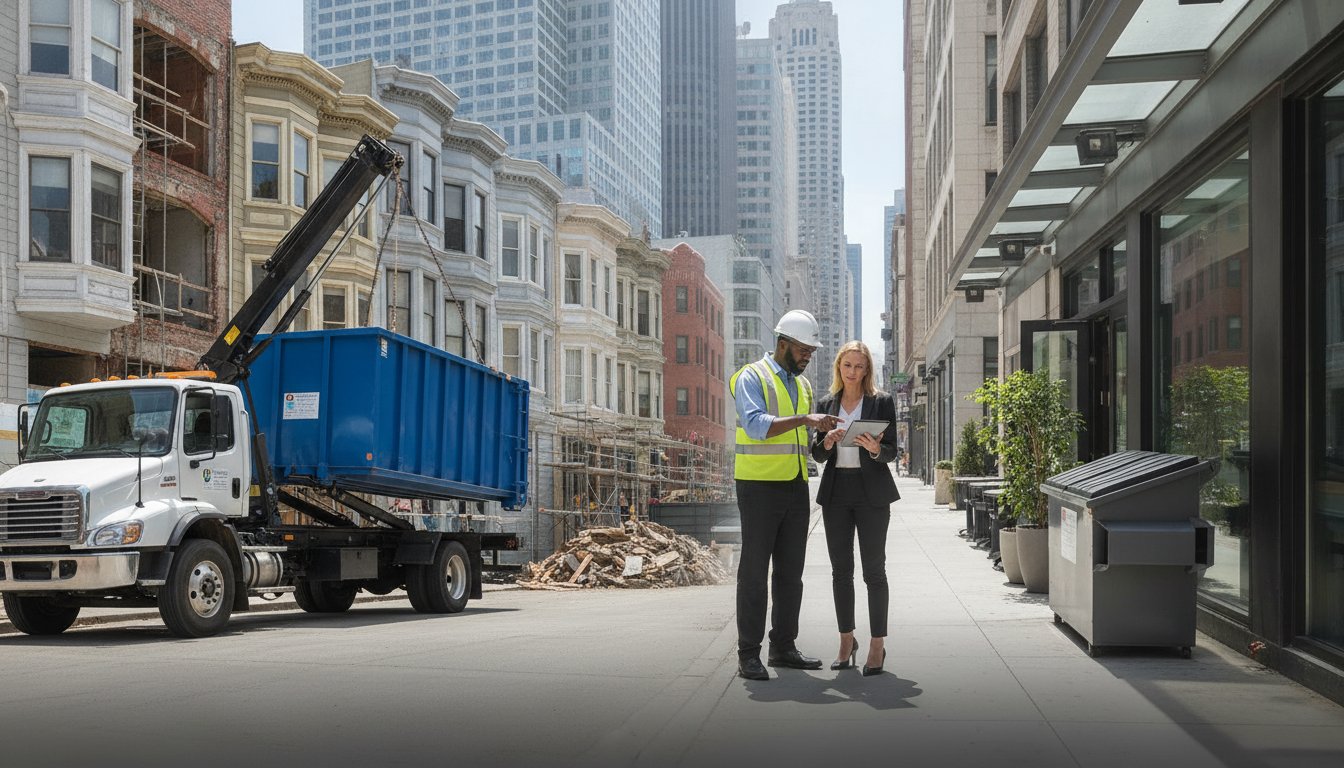
Most businesses lose money on waste management simply because they treat a short-term sprint like a permanent marathon. It's a common mistake that leads to bloated contracts and paying for empty space. You likely know the frustration of staring at a half-empty bin while the bill arrives like clockwork. Deciding between a roll off dumpster vs commercial dumpster requires more than just looking at the size of the container. If you're managing a renovation in Boston or daily trash for a shop in New York, the wrong choice will drain your budget and complicate your logistics.
You need a waste strategy that matches your actual debris volume and pickup frequency without the headache of hidden fees. This guide breaks down the functional differences between temporary roll-off rentals and permanent front-load services. We'll help you navigate 2026 regulations, including organics diversion laws and city permit requirements. You'll learn how to select the right container size to avoid overages and how to protect your property during delivery. Let's find a solution that keeps your project moving and your costs predictable.
Key Takeaways
- Distinguish between temporary project needs and permanent operational waste to choose between a one-time rental or a recurring service contract.
- Compare volume capacities accurately; a standard 10-yard roll-off provides over five times the debris space of a typical 2-yard commercial front-load bin.
- Analyze the cost structures of a roll off dumpster vs commercial dumpster to ensure you aren't paying for empty space or hidden weight overage fees.
- Navigate 2026 compliance requirements, including new organics diversion laws for businesses and specific street permit rules in major hubs like New York and Chicago.
- Follow a logical step-by-step process to estimate your debris volume and select a container size that prevents property damage and logistical delays.
Defining the Basics: Roll Off vs Commercial Dumpsters
Choosing between a roll off dumpster vs commercial dumpster is a decision between a project-based tool and an operational utility. One serves as a temporary "sprint" for massive debris removal, while the other acts as a permanent "marathon" for daily business waste. Using the wrong container type leads to more than just logistical annoyance. In 2026, mismanaging these assets results in missed pickups, city-issued fines for overflowing bins, or significant weight overage charges. Understand the physical and functional differences before you sign a contract or book a delivery.
The core distinction lies in the delivery method and the duration of use. Roll-off containers are delivered via specialized trucks and placed for a specific window of time, usually 7 to 14 days. Conversely, a commercial front-load bin is a stationary fixture. It stays on your property indefinitely and is emptied on a recurring schedule. Selecting the right fit ensures your site remains clean and your waste management costs stay predictable.
What is a Roll Off Dumpster?
A roll-off is a heavy-duty, open-top container designed for high-volume debris. These bins handle dense materials like shingles, drywall, and old furniture that standard trash services won't touch. Understanding Roll-off dumpster basics helps you realize they are built for mobility. They feature wheels to assist with placement on driveways or construction sites. You can find these in 10, 20, 30, and 40-yard sizes. A 10-yard dumpster is often the ideal entry point for residential cleanouts or small bathroom remodels. Once your project ends, the truck returns to haul the entire container away.
What is a Commercial (Front-Load) Dumpster?
Commercial dumpsters are the lidded bins you see behind retail stores, restaurants, and apartment complexes. These are designed for consistent, low-density waste like office paper, food scraps, and light packaging. Most Front load Commercial Waste Pickup services utilize bins ranging from 2 to 8 cubic yards. Because they remain on-site permanently, they feature heavy-duty lids to contain odors and prevent pests. A front-loading truck lifts the bin, empties the contents into its hopper, and sets the container back down in the same spot. This is a purely operational service meant for businesses with steady, daily waste streams.
Physical features also dictate where you can place these units. Roll-offs require significant clearance for the truck to "roll" the bin off the bed. Commercial bins are stationary and usually sit in a designated enclosure or corral. If you're managing a one-time cleanout, stick with a roll-off. If you're running a business, secure a permanent commercial bin.
Roll-Off Dumpsters: The Project Workhorse
Roll-off dumpsters are the primary choice for intense, short-term waste generation. Unlike a permanent bin, these containers are delivered by a truck using a hydraulic hoist and cable system. When comparing a roll off dumpster vs commercial dumpster, remember that the roll-off is built for weight and volume, not daily convenience. It sits on your property during the project and is hauled away once full. Because these are heavy steel containers, they aren't easily moved once they land. Proper planning is essential to avoid blocking access or damaging surfaces.
Weight limits are the most critical factor in your final invoice. Every rental comes with a specific tonnage allowance. If you fill a 20-yard bin with heavy concrete or wet soil, you'll likely exceed that limit. Landfills charge by the ton, and these overage fees are passed directly to you. To stay compliant and safe, follow OSHA safety regulations for dumpsters regarding loading heights and material types. For a deeper dive into logistics, read our Roll Off Dumpster Rental: The Complete Guide to Efficient Waste Management.
Common Sizes and Their Uses
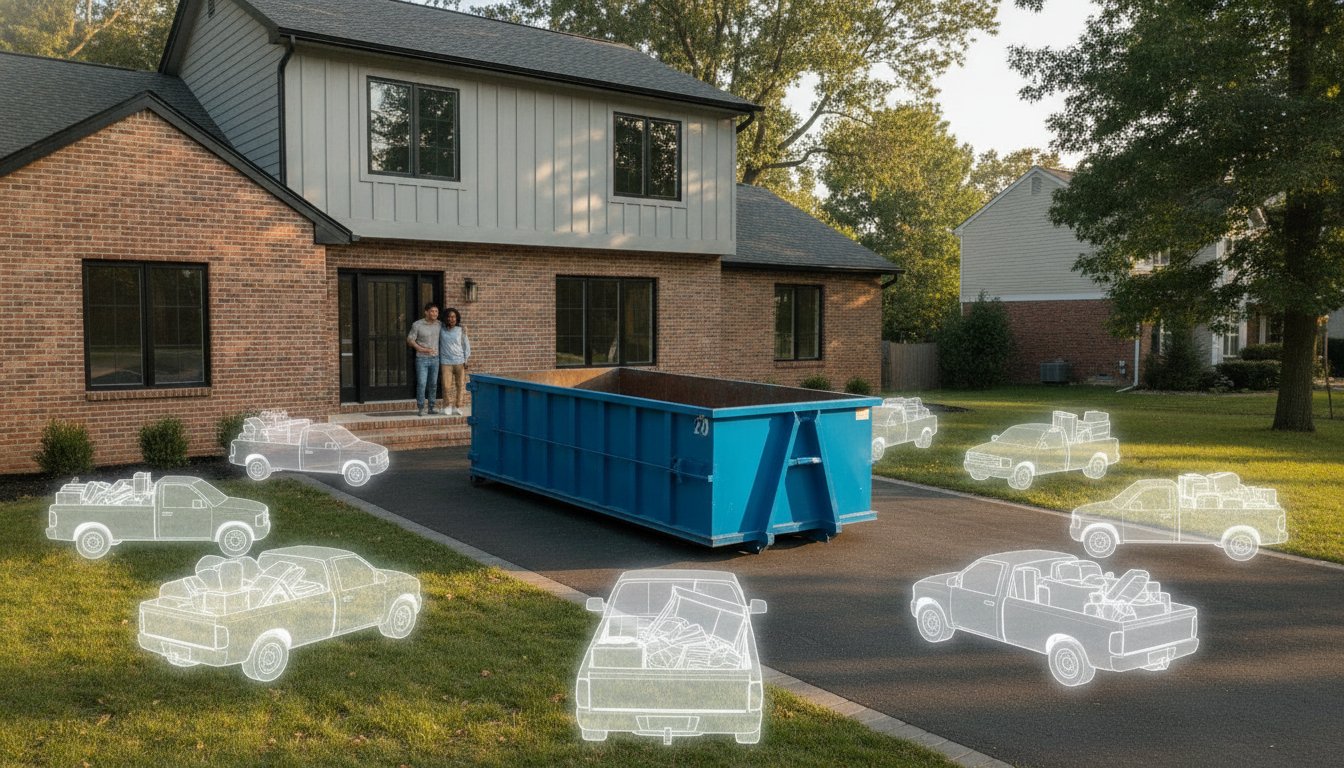
Select your size based on the specific debris you're tossing. A 10-yard dumpster is the entry-level choice for small bathroom gut-jobs or clearing out a cluttered garage. It holds roughly three pickup truck loads of waste. Stepping up, the 20-yard dumpster is the industry standard for basement renovations or roofing projects. If you're tackling a whole-home demolition or a large-scale commercial site, you'll need the 30 or 40-yard options. These larger bins handle massive volume but require a significant footprint on-site.
Placement and Access Requirements
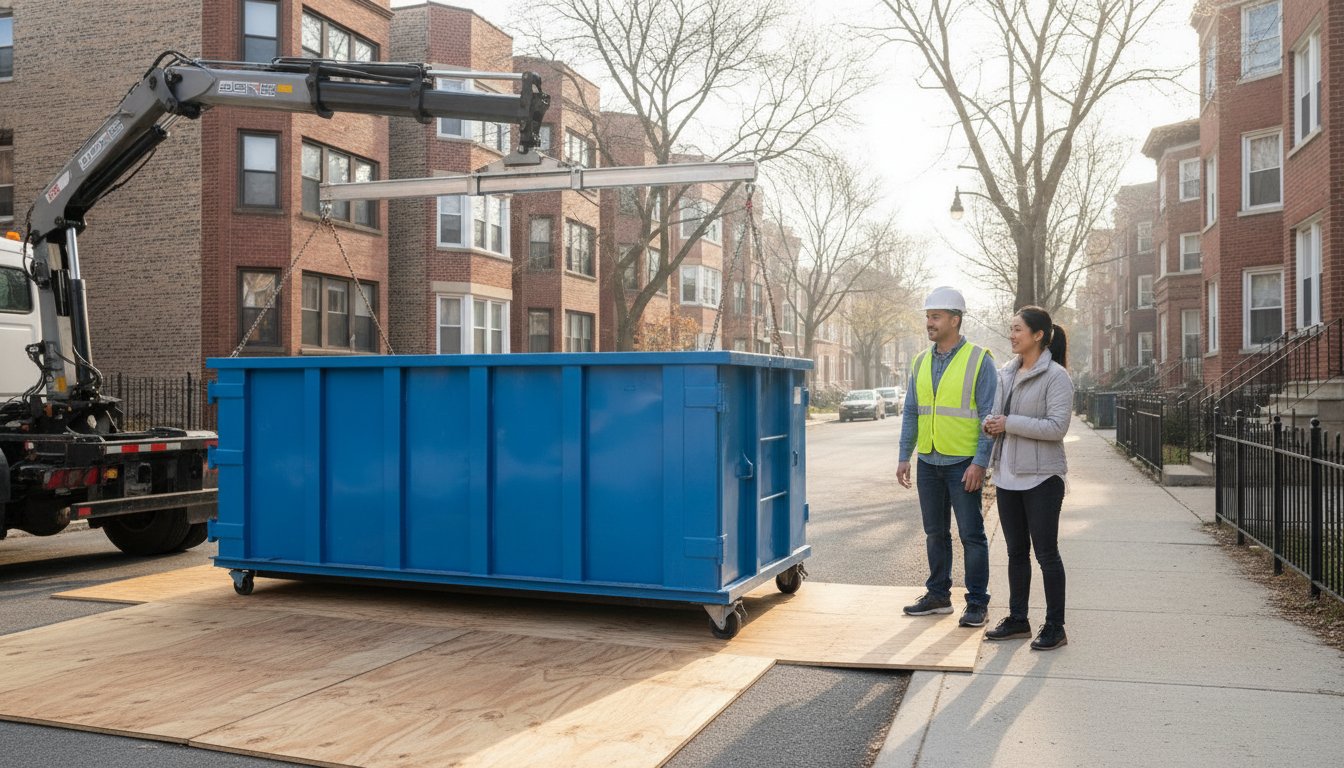
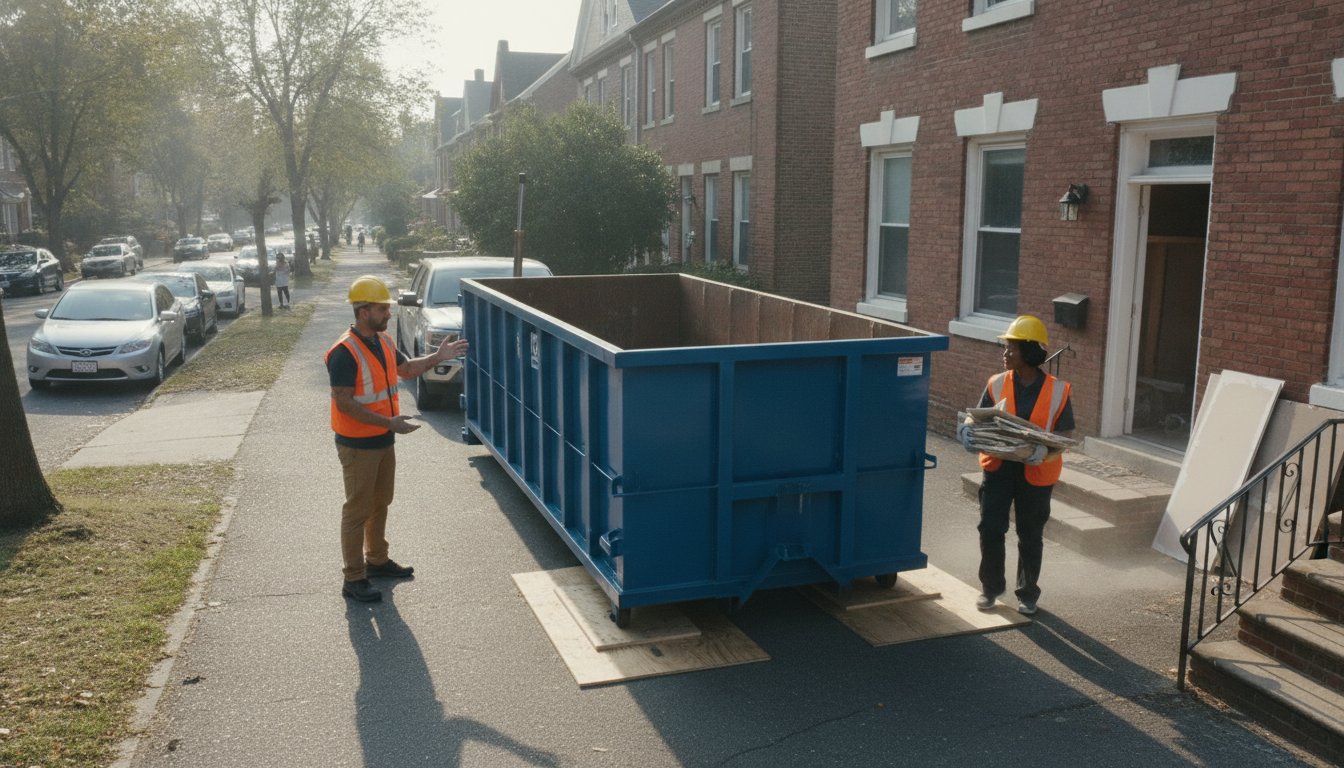
Delivery day requires preparation. You need at least 60 feet of linear space for the truck to drop the bin. Ensure there are no low-hanging wires or tree branches, as the hoist reaches high into the air. If you're working in New Jersey or Illinois, place plywood boards on your driveway to prevent the steel rollers from cracking the asphalt. In dense urban areas like Queens or San Francisco, you must secure a street permit if the bin can't fit on private property. Book your next rental only after you've cleared the drop zone to ensure a seamless delivery.
Commercial Dumpsters: Permanent Waste Solutions
While a roll-off handles the chaos of a construction site, a commercial dumpster manages the steady pulse of daily business operations. This is your permanent waste utility. It stays on-site indefinitely to collect office paper, food scraps, and light packaging. When evaluating a roll off dumpster vs commercial dumpster for a long-term facility, the commercial option is almost always the more cost-effective choice. It eliminates the need for repeated delivery fees and high-tonnage project rates. Instead, you pay a predictable monthly fee for scheduled pickups.
The design of these bins is strictly functional. Unlike open-top roll-offs, commercial containers feature heavy-duty lids. These are essential for containing odors and deterring pests, especially for businesses in dense urban centers. According to the Solid Waste Association of North America, maintaining proper container integrity is a core component of municipal waste management. Scheduled pickups ensure your waste never reaches unmanageable levels, keeping your storefront or loading dock professional and compliant with local health codes.
Understanding Service Intervals
Determine your pickup frequency based on your waste velocity. A high-volume restaurant typically requires daily waste removal to manage organic material and prevent sanitation issues. Conversely, a retail boutique or small office may only need a single weekly pickup for dry recyclables and light trash. Monitor your bin levels during the first month of service. If your bin is overflowing before your scheduled day, increase your frequency immediately. Many businesses also adjust their service for seasonal fluctuations, ramping up pickups during peak holiday shopping or summer tourism months.
Security and Enclosure Requirements
Protect your bin from unauthorized use. Illegal dumping is a common problem in shared commercial alleys, and it can lead to unexpected overage charges on your bill. Use bins with locking bars to ensure you only pay for your own waste. You must also consider local building codes. In states like Massachusetts and New York, many municipalities require permanent dumpster enclosures to hide bins from public view and improve street aesthetics. Ensure your enclosure provides at least 12 feet of overhead clearance and enough width for a front-loading truck to approach the bin directly. Tight alleys require precise placement to avoid missed pickups due to blocked access.
Secure a Front load Commercial Waste Pickup plan that fits your specific operational footprint. Don't let waste management become a logistical bottleneck for your business.
Key Differences: Size, Mobility, and Cost Structures
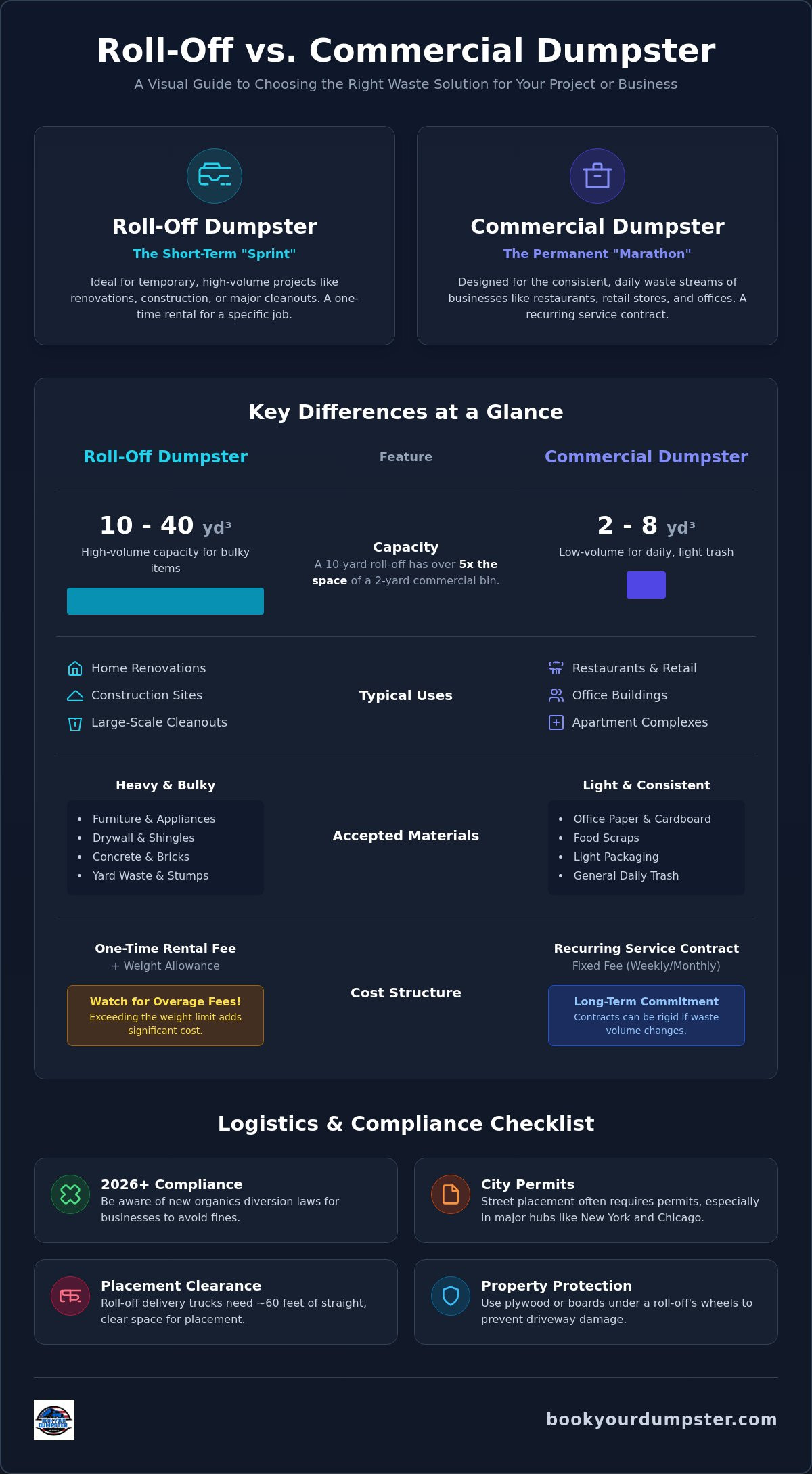
Waste velocity determines your equipment choice. A standard 10-yard roll-off provides over five times the volume of a typical 2-yard commercial bin. This massive scale is necessary for demolition debris, but it's overkill for a small office's weekly paper trail. When weighing a roll off dumpster vs commercial dumpster, you must also consider mobility. Roll-offs arrive for a specific project and vanish once the job is finished. Commercial bins are stationary assets that stay on your property indefinitely, becoming a permanent part of your facility's footprint.
Material restrictions are another dealbreaker. You can't toss heavy masonry or concrete into a commercial bin. Front-loading trucks use forks to lift bins overhead; excessive weight from stone or brick will snap the lifting arms or exceed the truck's hydraulic capacity. Roll-offs use a direct pull-and-slide mechanism. This makes them the only viable choice for heavy construction debris. If you're clearing a lot or gutting a kitchen, the roll-off is your only option.
Rental Periods vs. Service Agreements
Roll-off rentals operate on a flat-rate basis for a set window of time. You pay for the dump and the haul, which is ideal for projects with a clear start and end date. Commercial contracts provide budget predictability through fixed monthly costs. However, watch for hidden fees in any waste agreement. Overweight charges apply if you exceed your tonnage limit. Dry run fees occur if a driver can't access your bin due to a blocked alley or locked gate. Contamination charges hit your invoice if you mix hazardous materials or prohibited items like tires into a standard waste stream. Always review the "acceptable materials" list before loading your container.
The Decision Matrix: Which One Do You Need?
Follow this simple logic to choose your equipment. If you have a one-time project like a basement cleanout or a roof replacement, rent a roll-off. Even if you already have a commercial bin for your business, you'll need a temporary roll-off for a store renovation to handle the construction waste. Daily operational trash like food waste or packaging requires a permanent front-load service. Some sites use a hybrid approach. They keep a small 2-yard commercial bin for office waste while maintaining a 30-yard roll-off for ongoing manufacturing scrap. Select your dumpster size and book online to keep your site clear and compliant.
How to Book the Right Dumpster in 2026
Executing a successful waste management plan requires more than just picking a bin. You need a process that accounts for 2026 regulatory shifts and site-specific logistics. Whether you're finalizing a decision on a roll off dumpster vs commercial dumpster or you're ready to schedule a drop-off, following a logical sequence prevents costly delays. Use this four-step checklist to secure your equipment and keep your project on track.
- Step 1: Estimate your debris volume. Don't guess. Use a size guide to determine if your waste fits in a 10-yard residential bin or requires a 40-yard industrial container. Choosing a bin that's too small leads to double-handling costs.
- Step 2: Check local 2026 regulations. New York has expanded organics diversion laws this year for businesses generating one ton of food waste per week. Ensure your service plan complies with these mandates to avoid heavy municipal fines.
- Step 3: Secure your placement area. You need 60 feet of linear clearance for a roll-off delivery. If you're placing the bin on a public street in Queens or Chicago, obtain your permit early. These typically cost between $10 and $150 depending on your specific municipality.
- Step 4: Use an online booking system. Avoid the "call for a quote" runaround. Use a digital platform that provides transparent, upfront pricing and immediate scheduling.
Local Considerations for Major Hubs
Geography dictates your logistics. In New York and Queens, delivery windows are tight due to traffic congestion and strict idling laws. You must coordinate your drop-off when the curb is clear. In Chicago and throughout Illinois, extreme weather can impact waste weight; wet debris in a roll-off can quickly lead to tonnage overages. San Francisco remains a leader in diversion mandates. You're often required to prove that a specific percentage of your construction debris was recycled rather than landfilled. Always confirm these details with your provider before the truck arrives.
Ready to Get Started?
Don't let waste accumulate and stall your progress. A clear site is a productive site. Whether you need a temporary 20-yard roll-off for a home demo or a permanent front-load solution for your retail shop, select the size that fits your specific timeline. For a detailed breakdown of current market rates, consult our Dumpster Rental Prices in New York, Illinois, and Massachusetts: 2026 Guide.
Efficiency is just a few clicks away. Secure your equipment through a partner that understands the urgency of your project. Book Your Dumpster Online Now for reliable delivery, fair pricing, and professional service that respects your schedule.
Secure Your Waste Solution for 2026
Success in waste management comes down to matching your equipment to your actual waste velocity. Use a temporary roll-off for the heavy lifting of construction or home cleanouts. Stick to a permanent commercial service for your daily business operations. Making the correct choice between a roll off dumpster vs commercial dumpster prevents logistical bottlenecks and protects your bottom line from unexpected fees. Stay compliant with local 2026 regulations by securing the right permits and following new diversion mandates in your specific city.
We provide local expertise across NY, NJ, IL, MA, and SF to help you navigate these requirements without the stress. Access transparent pricing on our full range of 10, 20, 30, and 40-yard bins anytime. Our streamlined online booking system offers 24/7 convenience, letting you schedule service on your own terms. Book your project-ready roll-off dumpster today at BookYourDumpster.com and clear your site with confidence. It's time to get your project moving and your site back under control.
Frequently Asked Questions
Can I use a commercial dumpster for a home renovation project?
No, standard commercial dumpsters aren't suitable for renovation debris. Their lidded design prevents the disposal of bulky items like cabinets or drywall. Additionally, front-load trucks aren't equipped to lift the heavy weight of construction materials. For any home improvement project, rent a roll-off container designed to handle high-volume and heavy-weight waste safely. It's the only way to avoid missed pickups and equipment damage.
What is the smallest roll-off dumpster size I can rent for a residential cleanout?
The 10-yard dumpster is the smallest and most efficient entry point for residential users. It's ideal for garage cleanouts, small bathroom guts, or basement decluttering. This size fits easily in most standard driveways without blocking access to your home or sidewalk. It holds roughly three pickup truck loads of waste, making it a powerful tool for DIY projects that generate more trash than curbside bins can handle.
How much space does a roll-off truck need to drop off a 20-yard dumpster?
You need approximately 60 feet of linear space for a successful delivery. The truck must back into the spot, hoist the bed high into the air, and roll the container off the rear. Ensure you have 23 feet of vertical clearance to avoid hitting low-hanging power lines or tree branches. Clear all vehicles and obstructions from the drop zone before the driver arrives to prevent dry run fees.
Are there items I can put in a roll-off that aren't allowed in a commercial bin?
Yes, heavy debris like drywall, wood, and metal are standard for roll-offs but strictly prohibited in commercial bins. When comparing a roll off dumpster vs commercial dumpster, remember that roll-offs handle dense construction materials that would break the lifting arms of a front-load truck. However, neither container allows hazardous materials like wet paint, tires, or lithium batteries. Always check your provider's prohibited items list before loading.
How long can I keep a roll-off dumpster on my property in New York?
Standard rental periods typically range from 7 to 14 days, but city regulations vary by borough. In New York, if the bin is on private property, you have more flexibility. However, if the container sits on a public street, your duration is strictly tied to your DOT permit. Always schedule your pickup as soon as the project ends to avoid daily extension fees that can bloat your final invoice.
Do I need a permit if the dumpster is placed entirely on my own driveway?
Usually, you don't need a permit for private property placement. Permits are mandatory for public spaces like streets, sidewalks, or alleyways. In cities like Chicago or Boston, placing a bin on your own driveway saves you from municipal paperwork and permit fees. If any part of the container overhangs the sidewalk, contact your local building department to ensure you're compliant with 2026 safety codes.
What happens if my roll-off dumpster exceeds the weight limit?
You'll face overage fees based on the extra tonnage. Landfills charge by the ton, and these costs are passed directly to your final bill. If the bin is dangerously heavy, the driver may refuse to haul it until you remove some material. Distribute heavy debris like dirt or concrete evenly and never fill the bin past the "max fill" line. This ensures a safe, legal haul to the disposal site.
Can businesses have both a commercial bin and a roll-off at the same time?
Yes, this is a common strategy during business renovations or seasonal inventory purges. You keep your permanent commercial bin for daily food waste and office trash while using a temporary roll-off for construction debris. This keeps your operational waste stream separate and ensures you aren't clogging your commercial bin with bulky items. It's a pragmatic way to manage a short-term spike in waste without disrupting your daily service.