In the narrow alleys of Chicago or the gridlocked streets of Manhattan, a late dumpster delivery is a project-killing bottleneck that triggers city fines and halts production. Managing a commercial roll-off dumpster rental Chicago NYC Boston requires more than just a phone call. You already know that tight spaces, strict 2026 municipal codes, and heavy traffic make waste management a high-stakes logistical puzzle. It's frustrating to deal with unreliable delivery windows or surprise overweight charges when you're trying to keep a job site on schedule.
This guide helps you master these urban challenges. You'll learn how to secure the right-sized container and navigate permit requirements without the stress of hidden fees. We'll preview the specific 2026 regulations for each city, including Chicago CDOT permits and Boston’s Site Cleanliness License. Use this information to streamline your debris removal and maintain total control over your project's logistics. Stop guessing about city-specific compliance and start executing your waste management plan with precision and confidence.
Key Takeaways
- Select the optimal container size from 10 to 40 yards by using our pickup truck load comparison to visualize capacity accurately.
- Secure the necessary CDOT or DOT permits for your commercial roll-off dumpster rental Chicago NYC Boston to ensure legal placement on public property.
- Navigate 2026 urban logistics by planning for tight delivery windows and specific municipal site cleanliness requirements in busy metros.
- Protect your budget by understanding the difference between flat-rate and tonnage pricing while avoiding common hidden fees like dry run charges.
- Streamline your workflow by using integrated online booking systems designed to manage waste logistics for high-velocity commercial projects.
The Essentials of Commercial Roll-Off Dumpster Rental in Major Metros
Roll-off dumpsters are high-capacity, open-top waste containers designed specifically for large-scale debris removal. These units are transported via specialized trucks and dropped into place using a hydraulic system. Understanding roll-off dumpster basics helps you determine the physical footprint required for your job site before the truck arrives. Securing a commercial roll-off dumpster rental Chicago NYC Boston is a necessity for projects that generate more waste than a standard bin can handle. In these high-stakes metros, the difference between a clean site and a shut-down project often comes down to container availability and delivery timing.
Reliability is the most important factor in urban waste management. Commercial projects in 2026 move faster than ever, and a late delivery can cause a chain reaction of delays. You need a partner who understands that a dumpster isn't just a box; it's a critical component of your project's workflow. By prioritizing punctuality and clear communication, you remove the logistical stress that often accompanies large-scale cleanups or renovations.
Roll-Off vs. Front-Load: Which Commercial Service Do You Need?
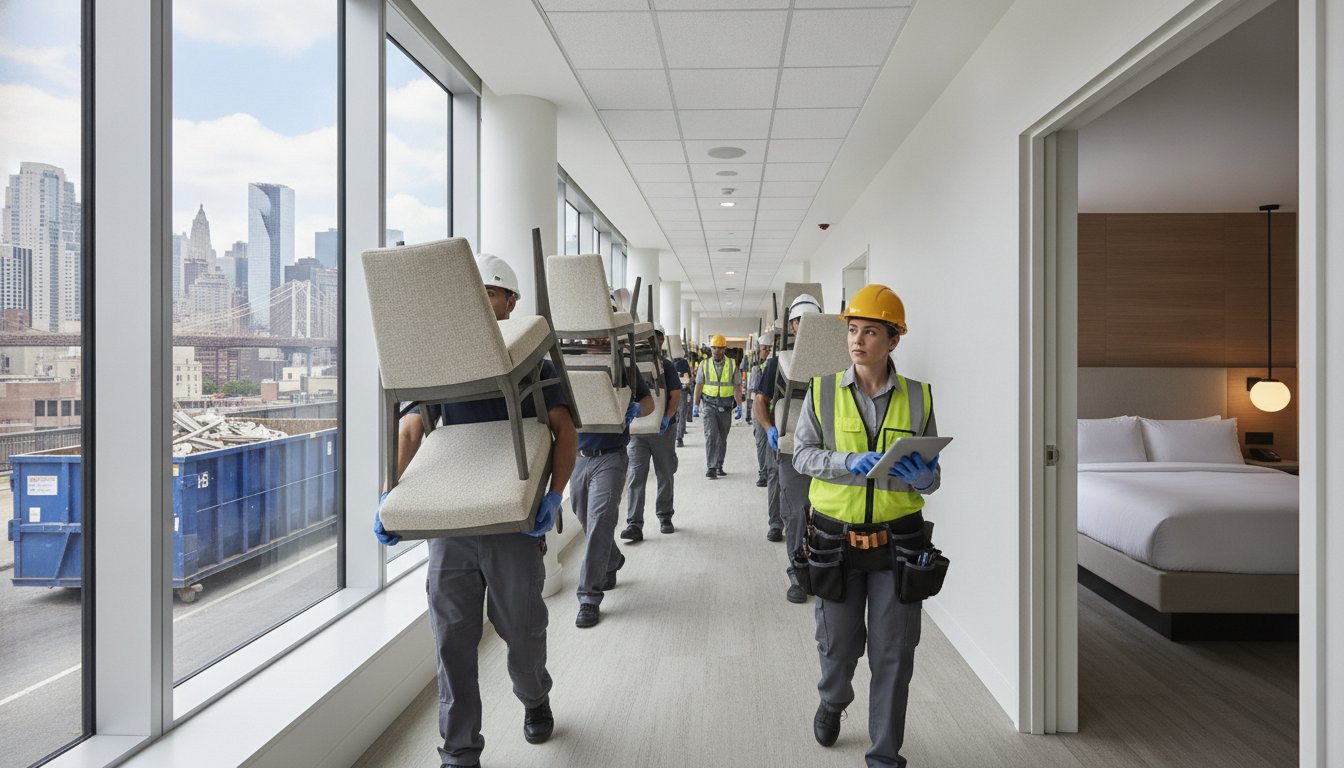
Businesses typically utilize two distinct types of waste services. A front-load commercial waste pickup is for recurring, daily business trash. These bins are smaller and stay on-site permanently. Roll-off containers are project-based tools for heavy materials like steel, wood, and masonry. If you're managing a major renovation in a downtown office, you'll likely need both. Your existing front-load service handles the office waste, while a 20 or 30-yard roll-off manages the demolition debris. Using the right tool for the specific debris type prevents overage fees and keeps your site organized.
Why Urban Commercial Sites Demand Specialized Logistics
High-density traffic in cities like Boston and NYC makes delivery windows a critical variable. You can't afford to have a crew waiting on a container that's stuck in traffic on the Mass Pike or the FDR Drive. Precise placement is equally important. In a crowded city, you must position a 22-foot box without blocking public thoroughfares or fire hydrants. Professional drivers must navigate tight alleys and narrow streets with surgical precision. By 2026, the industry has shifted toward digital-first booking to eliminate the lag time of traditional phone orders. This modernization allows project managers at BookYourDumpster.com to secure equipment and schedule pickups with a few clicks. This speed is essential for maintaining the momentum of high-velocity urban construction.
Choosing Your Container: 10 to 40 Yard Commercial Sizing Guide
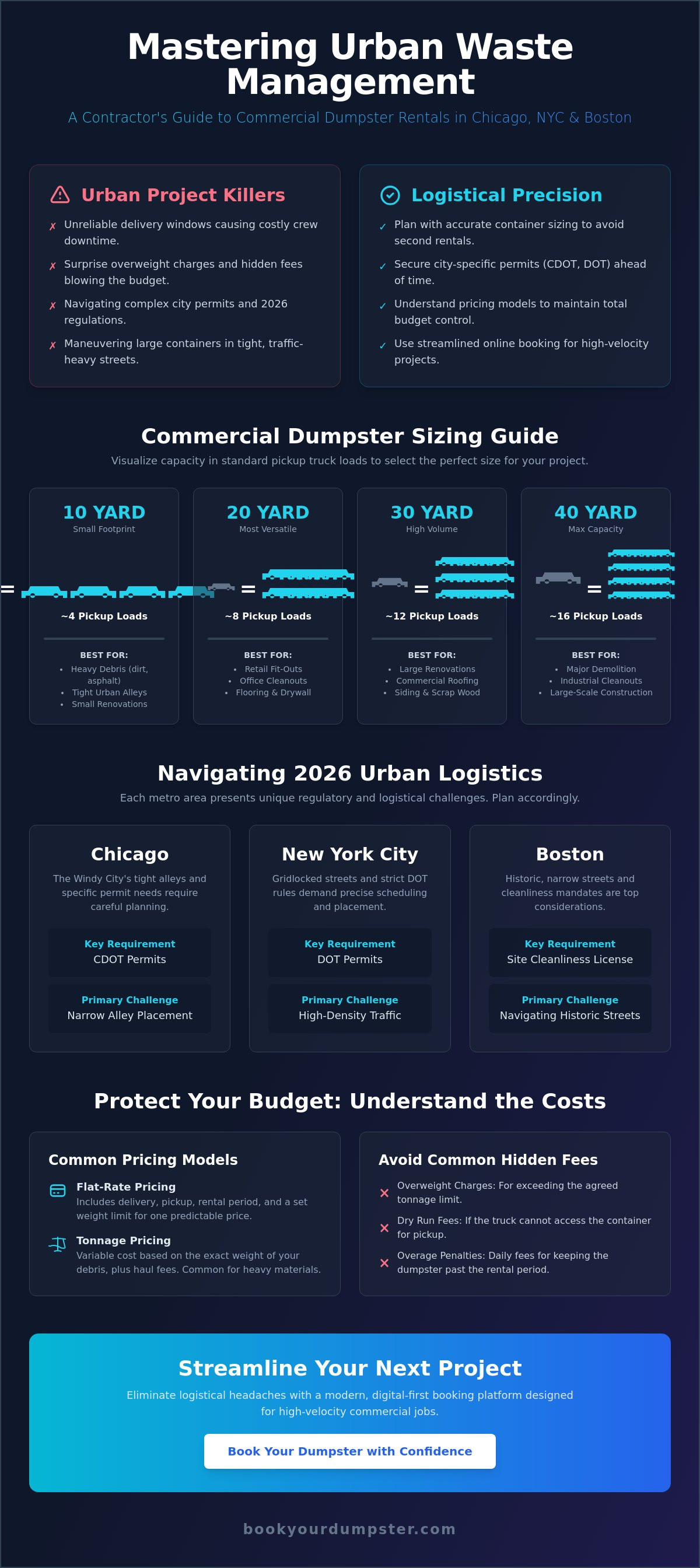
Selecting the right capacity for a commercial roll-off dumpster rental Chicago NYC Boston is a calculation that directly impacts your bottom line. Yardage refers to cubic yards, which measures total volume. To visualize this, think in terms of pickup truck loads. A 10-yard dumpster holds roughly four to five pickup truck beds worth of debris, while a 40-yard container holds up to 20 loads. If your project produces heavy materials like concrete, brick, or masonry, volume becomes secondary to weight limits. These materials are incredibly dense and heavy. Exceeding the weight capacity of your container results in costly overage fees or a truck that cannot legally haul the load. Order a larger size if you're unsure about your total waste volume to avoid the expense of a second rental or overage penalties.
10 and 20 Yard Dumpsters for Small Commercial Renovations
The 10-yard dumpster is the compact choice for heavy debris like dirt or asphalt. Its small footprint allows for placement in tight urban alleys where larger trucks cannot maneuver. If you're handling a retail fit-out or a standard office cleanout, the 20-yard dumpster is your go-to option. It provides enough volume for furniture, drywall, and flooring without consuming excessive street space. The 20-yard unit is the most versatile urban commercial size. You can easily view container dimensions online to ensure the footprint fits your specific site layout before scheduling delivery.
30 and 40 Yard Dumpsters for Large-Scale Construction and Demolition
Major residential developments and commercial roofing projects require the 30-yard dumpster. It handles high-volume materials like siding, shingles, and large amounts of scrap wood. For industrial demolition and massive warehouse cleanouts, reserve the 40-yard dumpster. These are the largest containers available, designed for maximum efficiency on high-output sites. Be mindful of height vs. length constraints in cities. A 40-yard container typically stands 8 feet tall. This height can create clearance issues under low bridges or within covered loading docks. Compliance with New York City's Commercial Waste Zone regulations is mandatory when planning these large-scale placements on public property. Always verify that your site has the overhead clearance and length required for the truck to safely roll the container off the rails.
Urban Logistics: Navigating Chicago, NYC, and Boston Requirements
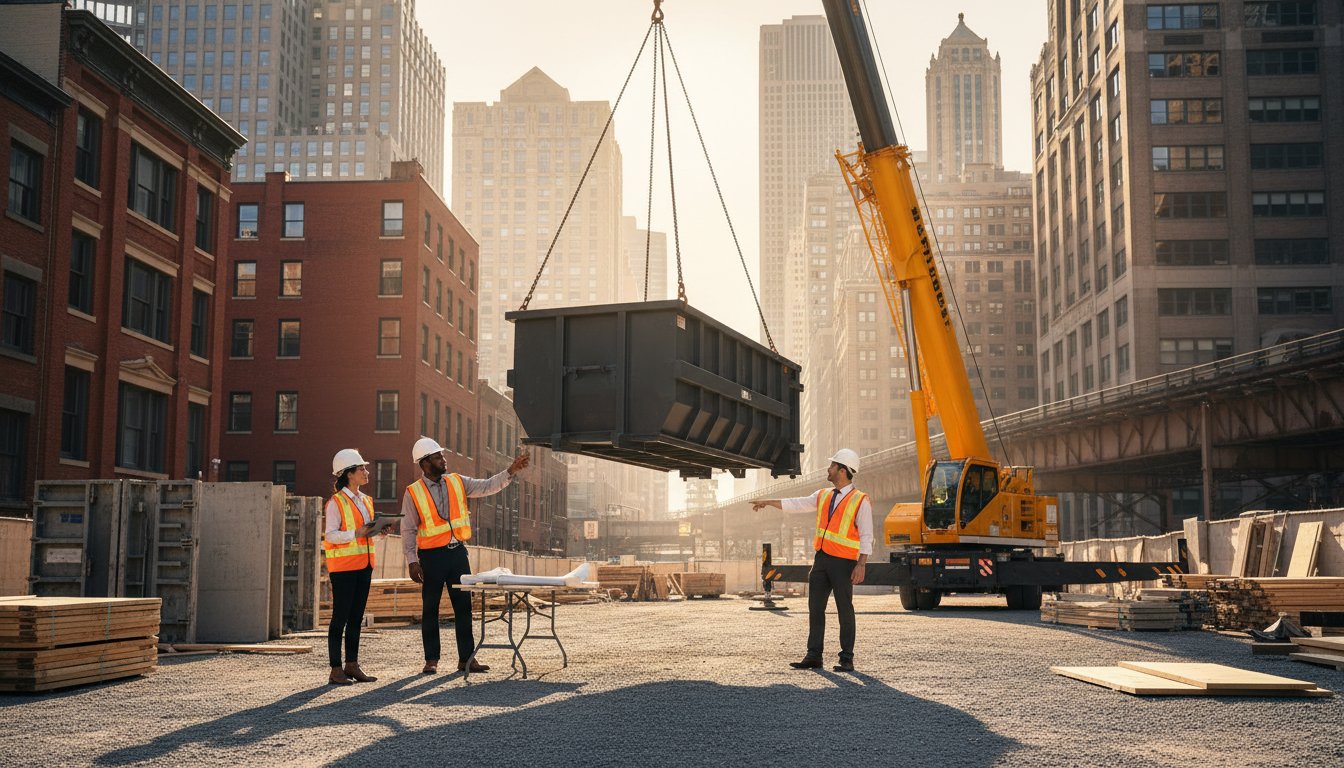
Dropping a 22-foot steel box into a dense urban environment requires tactical planning. You aren't just renting a container; you're managing a temporary land-use project. In cities where every square foot is monetized, placement is a puzzle. Chicago's grid system often offers alley access that NYC's boroughs lack. Conversely, Boston's historic districts feature narrow, winding roads that may reject standard delivery trucks. Success in a commercial roll-off dumpster rental Chicago NYC Boston depends on your ability to anticipate these physical constraints before the driver arrives. Consult with local experts who understand borough-specific enforcement to avoid costly delays or immediate city citations.
Permit Requirements for Public Right-of-Way Placement
You must secure a permit if the dumpster touches a city street, sidewalk, or parkway. In Chicago, the CDOT requires an online application through their portal. Fees for Class A containers (30 yards or less) start at $50 for three days outside the Central Business District but double once you cross into downtown. NYC requires a DOT permit, which must be obtained by the contractor or the carting company, not the property owner. Don't forget 'No Parking' signs. You often need to post these 24 to 48 hours in advance to clear the space for the delivery truck. For a deeper look at state-level differences, read our guide on Dumpster Rental in New York, Illinois, and Massachusetts. Following the safety standards advocated by the National Waste & Recycling Association ensures your site remains compliant and safe for public traffic.
Access Challenges: Narrow Streets and Low Clearances
Measure your clearances twice to ensure a successful drop. A roll-off truck needs significant vertical space, typically around 22 feet, to extend its hoist and slide the container off the rails. Check for low-hanging tree branches and overhead power lines that could snag the equipment. If you're working in Boston's North End or NYC's West Village, the street width might not accommodate the truck's turning radius. Always use wood blocks to protect the pavement. This is especially critical on historic cobblestones or sensitive urban asphalt to avoid property damage claims. If the truck cannot complete the drop due to an obstruction, you'll face a dry run fee. Clear the path entirely before the scheduled delivery window to keep your project moving.
Maximizing Efficiency and Controlling Commercial Disposal Costs
Controlling your budget for a commercial roll-off dumpster rental Chicago NYC Boston starts with choosing the right pricing model. By 2026, most reputable providers utilize either 'Flat Rate' or 'Tonnage' structures. A flat-rate model bundles the rental period, delivery, pickup, and a specific weight allowance into one price. This provides the most predictability for office cleanouts or retail renovations. Tonnage models involve a base service fee plus a variable rate based on the actual weight of the debris. Use the tonnage model for heavy demolition where concrete and brick will quickly exceed standard weight limits. Lock in your rates and project schedule through an online booking system to avoid the price fluctuations common in high-demand urban markets.
Managing the costs of a commercial roll-off dumpster rental Chicago NYC Boston requires proactive planning. Eliminate hidden costs by preparing your site for the delivery truck. A 'dry run' fee occurs if the driver cannot place the container due to parked cars, low wires, or locked gates. Follow this preparation checklist to ensure a seamless drop:
- Clear a 50-foot straight path for the truck's approach.
- Verify 22 feet of vertical clearance to allow the hoist to extend.
- Place plywood or 2x4 boards on the ground to prevent pavement cracking.
- Ensure all 'No Parking' permits are active and signs are visible.
Prohibited Items and Environmental Compliance
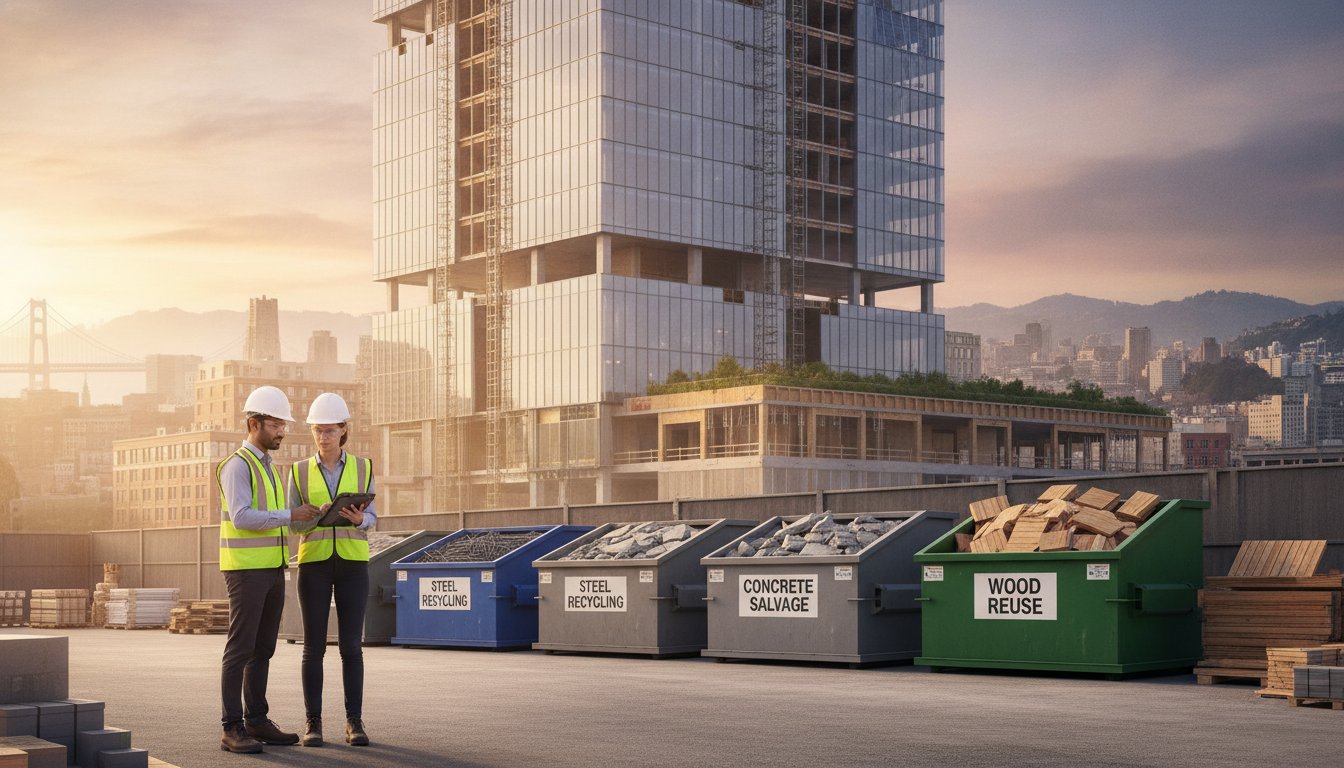
Standard roll-off containers are not for hazardous waste. Banned materials include tires, car batteries, wet paint, refrigerators with Freon, and asbestos. If a landfill identifies these items in your load, they will reject the entire container and charge a significant contamination fee. You are also legally responsible for any environmental damage caused by improper disposal. Consult Safe Construction Waste Disposal Methods to train your crew on proper sorting. Keeping your load clean ensures you avoid the steep fines associated with municipal environmental violations.
Scheduling for High-Velocity Commercial Projects
Keep your project moving by using the 'Swap-and-Drop' method. This strategy involves scheduling the delivery of an empty container at the exact moment the full one is hauled away. It prevents downtime and keeps your crew focused on the job. In congested markets like Boston or NYC, always schedule your pickups at least 24-48 hours in advance. Last-minute requests often fail due to traffic and driver availability. Off-peak delivery timing reduces the likelihood of transportation surcharges and ensures the driver can navigate city streets with fewer delays. Secure your next swap-and-drop today to maintain your site's momentum.
Streamlined Waste Solutions with Book Your Dumpster USA
Managing waste in America's densest cities is a logistical operation, not a side task. You need a partner that acts as a high-functioning tool for your business. Book Your Dumpster USA provides the infrastructure for successful commercial roll-off dumpster rental Chicago NYC Boston. We prioritize pricing integrity and punctuality because we know your project timeline depends on it. In 2026, the margin for error on urban job sites is zero. Our service removes the friction from debris removal, allowing you to focus on construction milestones rather than permit deadlines. We handle the heavy lifting of logistics so your crew stays productive.
Leverage our local expertise to handle the nuances of each metro. Whether you're dealing with Chicago's alleyway restrictions or NYC's commercial waste zone mandates, we have the experience to ensure compliance. We don't just drop a box; we coordinate the delivery to match your site's specific physical constraints. This professional approach builds immediate trust. It ensures that your project remains on schedule and within budget. Reliable waste management is a competitive advantage in a crowded market where delays lead to steep municipal fines.
Digital Convenience for the Modern Job Site
Modern job sites don't have time for phone tag or manual invoicing. Use our digital platform to manage multiple rentals across different boroughs or city zones simultaneously. Our inventory includes 10, 20, 30, and 40-yard units to fit any project scale, from minor retail fit-outs to full-scale industrial demolition. The online booking system gives you instant visibility into availability and scheduling. For a deeper dive into maximizing site efficiency, consult Roll Off Dumpster Rental: The Complete Guide. This resource provides further operational details to help your team maintain a clean and safe workspace. Efficient waste handling starts with the right digital tools.
Your Partner in Urban Debris Management
Position your project for success by choosing a partner that understands the high-velocity nature of urban development and the requirements of a commercial roll-off dumpster rental Chicago NYC Boston. We act as a reliable expert, removing the logistical stress that often accompanies heavy debris removal. Visit the Book Your Dumpster USA homepage to start your order and secure your delivery window. Stop struggling with unreliable haulers and opaque pricing structures. Take control of your site's waste management strategy today. Our commitment to transparent communication and on-time performance acts as a verbal handshake for every commercial client we serve. We provide the control you need to finish your project on time.
Secure Your Project Timeline Today
Success on an urban job site requires precise execution and zero logistical friction. You've learned how to navigate the 2026 permit requirements and why selecting the correct container size prevents costly overweight penalties. Mastering the logistics of a commercial roll-off dumpster rental Chicago NYC Boston is the only way to avoid municipal fines and project delays. You now have the specific tools to choose between flat-rate and tonnage pricing while preparing your site for a seamless delivery. We've modernized the process to ensure that waste management supports your momentum rather than slowing it down.
Don't let debris removal become a bottleneck for your crew. Our specialized urban delivery expertise and transparent pricing ensure you stay on schedule without surprise fees. Use our 2026 digital platform to lock in your rates and coordinate swap-and-drop services with a few clicks. It's time to replace logistical stress with professional reliability. Take the next step toward a cleaner, more efficient job site by partnering with a team that respects your urgency. Book Your Commercial Roll-Off Dumpster Now and experience a streamlined solution tailored for America's busiest metros.
Frequently Asked Questions
Do I need a permit for a commercial dumpster in NYC or Chicago?
Yes, you must obtain a permit if the container sits on a public way, such as a street, sidewalk, or alley. Chicago requires a CDOT permit with fees starting at $50 for three days as of January 2026. In NYC, the DOT requires the contractor or carting company to secure the permit. No permit is necessary if you place the unit entirely on private property.
What size roll-off dumpster is best for a commercial office cleanout?
A 20-yard dumpster is the most efficient choice for standard commercial office cleanouts. It provides enough volume for desks, chairs, and filing cabinets without consuming excessive space in tight urban alleys. For larger corporate relocations involving heavy industrial shelving, consider a 30-yard unit. Always choose the larger size if you're unsure about the total debris volume to avoid extra hauls.
How much weight can a 30-yard commercial dumpster hold?
A 30-yard dumpster typically has a weight capacity of approximately 5 tons. This size is ideal for roofing projects or major renovations involving wood and drywall. Heavy materials like concrete or brick will exceed this limit quickly. Monitor your load weight carefully because exceeding the cap results in significant overage fees per ton at the landfill.
Can I put construction debris and regular office trash in the same roll-off?
You can mix construction debris and regular office trash in a single roll-off container provided the materials are non-hazardous. This is common during retail fit-outs where you have both demolition waste and old inventory. Ensure you don't include prohibited items like electronics or hazardous chemicals. Mixing these materials is a standard practice for a commercial roll-off dumpster rental Chicago NYC Boston.
How far in advance should I book a dumpster rental in Boston?
Schedule your rental at least 24 to 48 hours in advance to ensure availability in the Boston market. High demand and narrow streets make last-minute deliveries difficult for drivers to coordinate. If you need a street occupancy permit, allow additional time for the city to process your application. Booking early allows you to lock in your preferred delivery window and avoid project delays.
What happens if the dumpster exceeds the weight limit?
Exceeding the weight limit triggers automatic overage fees that are calculated per ton. In NYC, these fees can reach $250 per additional ton as of 2026. If the load is too heavy for the truck to lift safely, the driver will not pick up the container. You'll then be responsible for a dry run fee and the labor costs to offload the excess material.
Are there specific items prohibited in commercial roll-off rentals?
Hazardous materials are strictly prohibited from all roll-off containers. This list includes wet paint, car batteries, tires, appliances containing Freon, and asbestos. Landfills will reject contaminated loads and impose heavy fines on the business owner. Always verify your debris type before loading the container to maintain environmental compliance and avoid legal penalties for your commercial roll-off dumpster rental Chicago NYC Boston.
How much space does the truck need to drop off a 40-yard dumpster?
A delivery truck needs a 50-foot straight path to drop off a 40-yard container. You also need at least 22 feet of vertical clearance to allow the hoist to extend without hitting power lines or tree branches. Ensure the placement area is level and free of obstructions like parked cars. Proper site preparation prevents dry run fees and keeps your delivery on schedule.