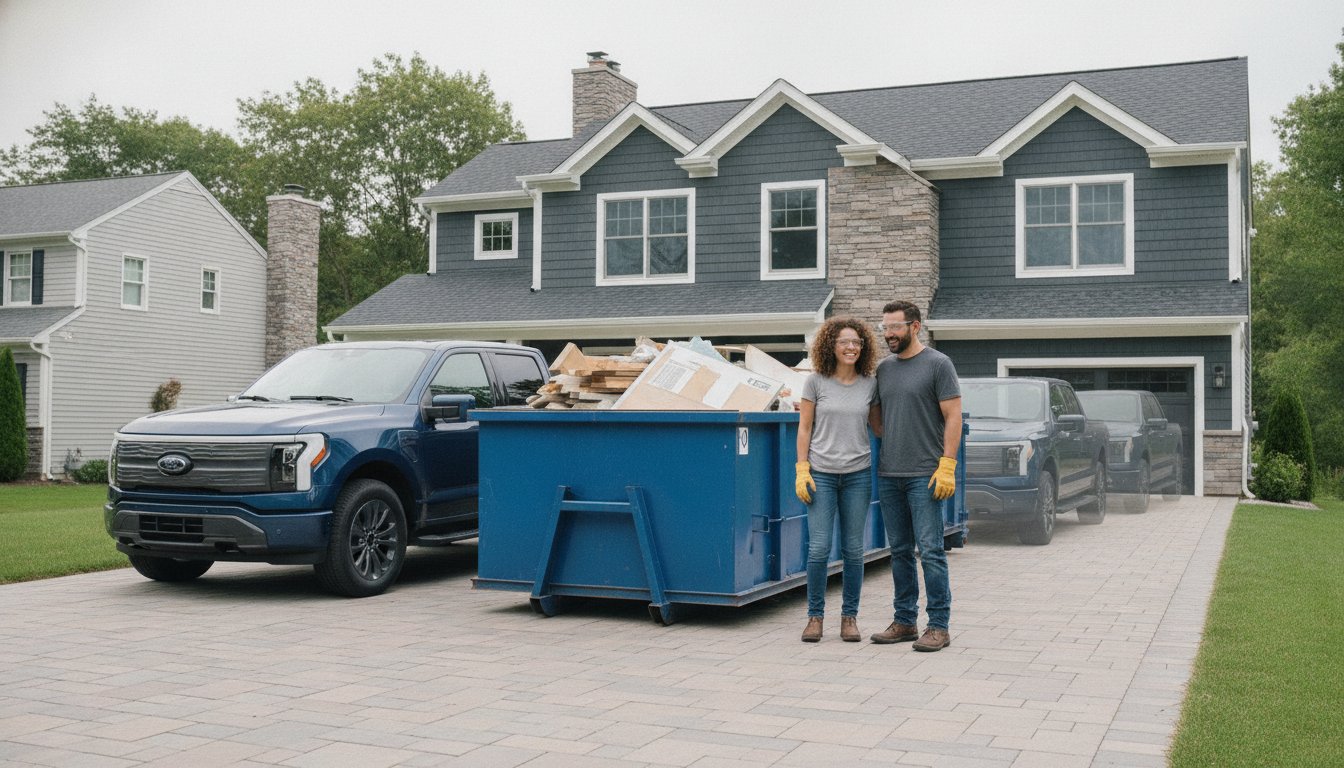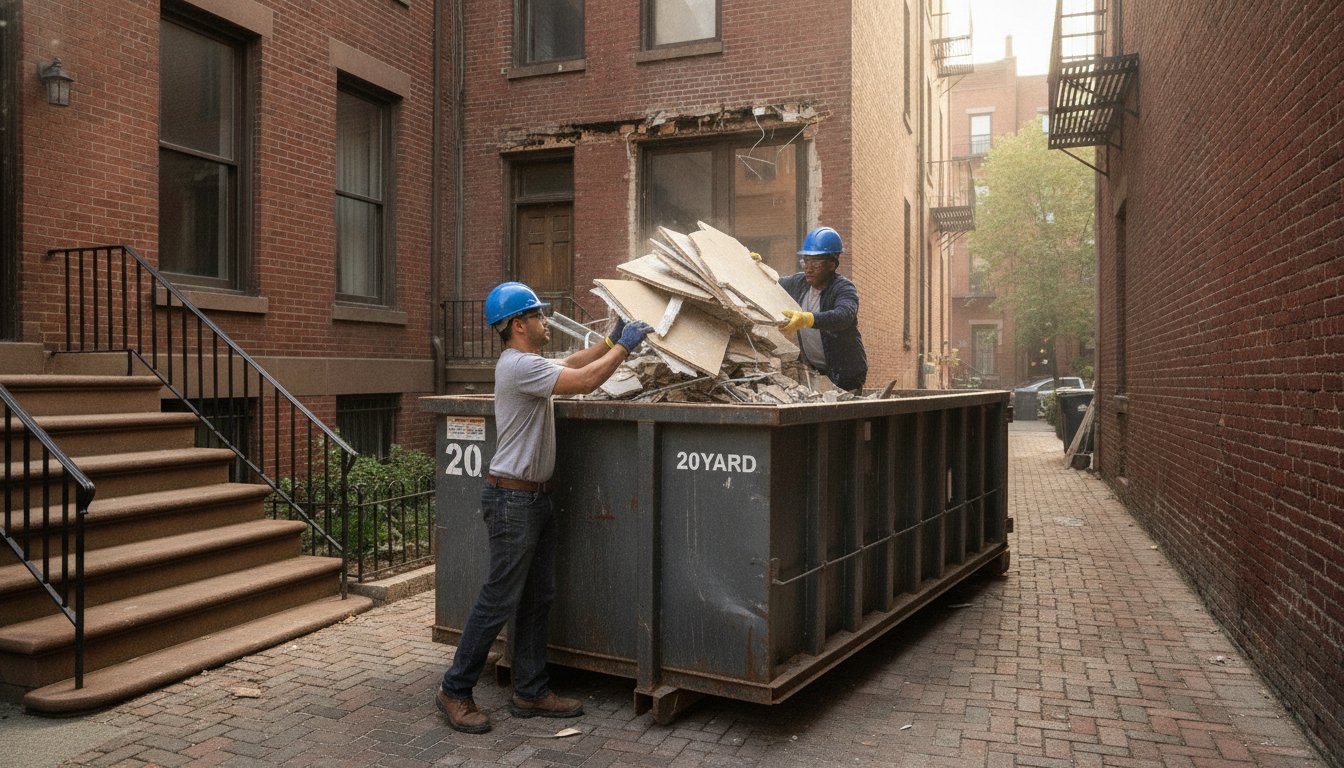
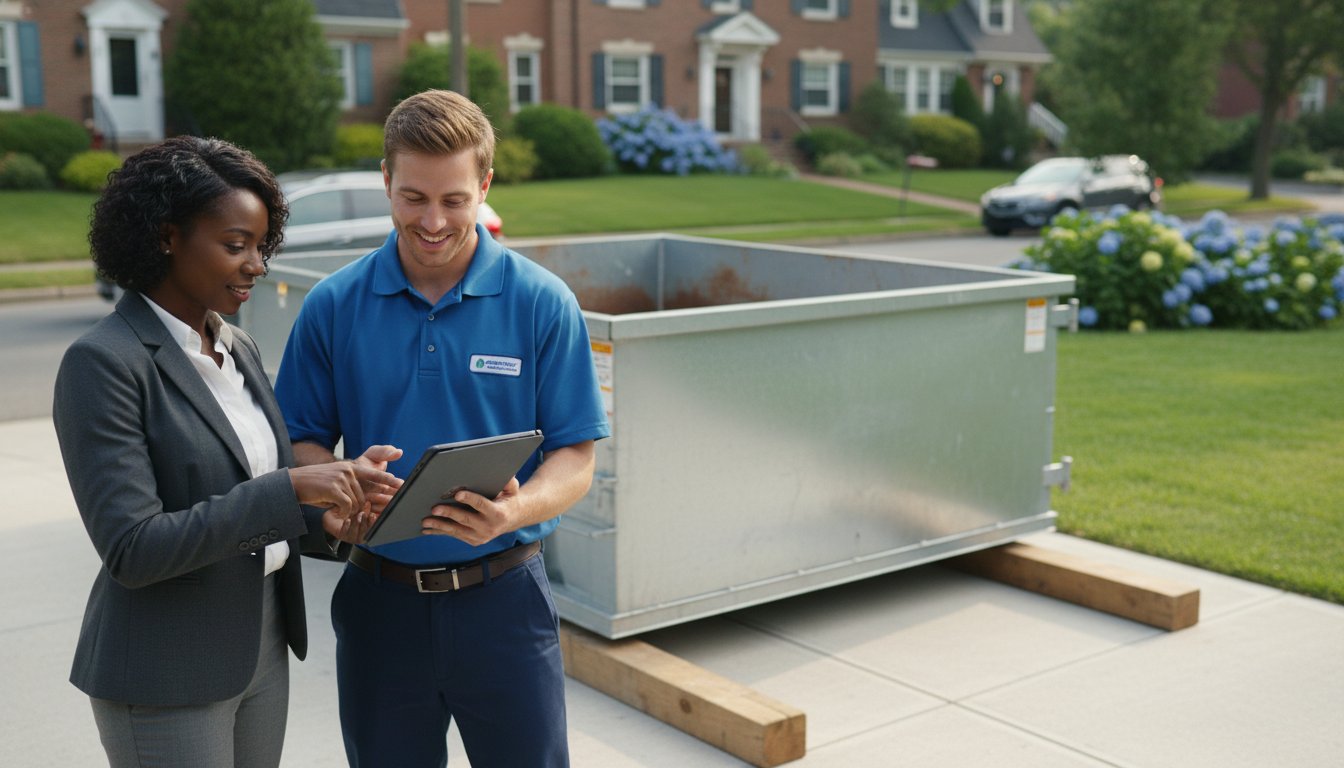
A 30-yard dumpster just crushed your concrete driveway, and the driver informs you that their company isn't covered for property damage. It's a high-stakes scenario that turns a simple cleanup into a financial disaster. Many homeowners and contractors focus entirely on the rental price while overlooking the critical step of verifying a dumpster company's license and insurance. You already know that hiring an unverified provider is a gamble; you shouldn't have to risk your assets or face legal fines for illegal dumping just to clear out debris.
This article provides the ultimate checklist to vet your waste hauler and secure your financial interests. You'll learn exactly which documents to request, how to navigate the new federal Motus registration system, and why current liability requirements in states like New Jersey and Illinois have become more stringent. Follow these steps to ensure your project stays on track without the threat of hidden liabilities, property damage, or expensive repairs. We will break down the differences between general liability and commercial auto coverage so you can hire with total confidence.
Key Takeaways
- Identify hidden financial risks like vicarious liability and learn how to protect your property from uncompensated damage.
- Use our step-by-step checklist for verifying a dumpster company's license and insurance by checking DOT numbers and Secretary of State records.
- Decode the Certificate of Insurance (COI) to confirm your provider carries the $1 million industry-standard minimum in general liability.
- Navigate complex local regulations, including specific requirements for New York City waste hauling permits and state-level business filings.
- Streamline your rental process by choosing vetted hauling partners who maintain 100% compliance with federal and local safety standards.
The Hidden Risks of Hiring Unlicensed Dumpster Services
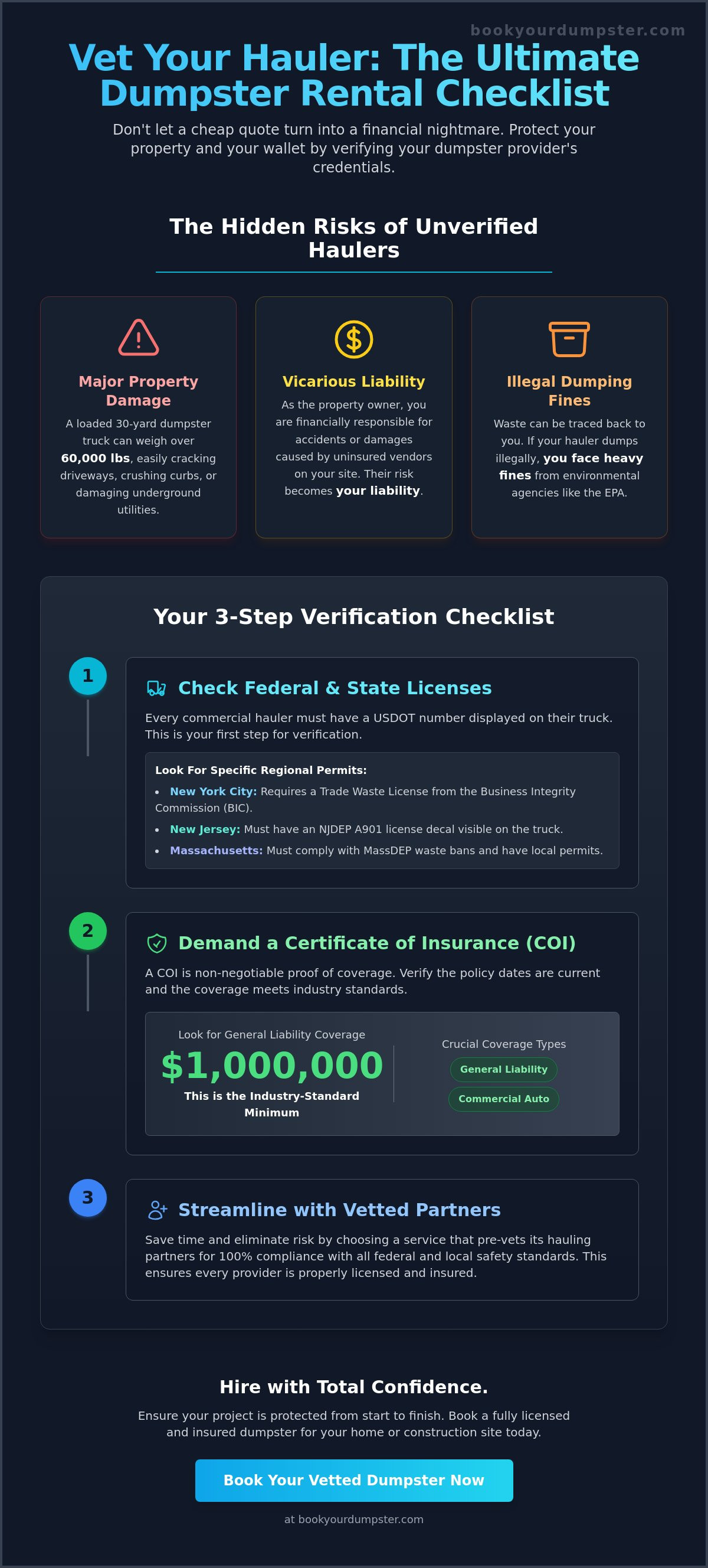
Choosing a dumpster provider based solely on the lowest quote creates a massive liability gap. Cheap rates usually mean the company is cutting corners on expensive commercial insurance premiums or skipping local licensing fees entirely. Verifying a dumpster company's license and insurance is your only defense against vicarious liability. This legal concept means that as the property owner or project manager, you are financially responsible for the actions of the vendors you bring onto your site. If a driver lacks coverage, the legal and financial burden for any mishaps lands squarely on your shoulders. You aren't just renting a bin; you're inviting heavy machinery and potential risk onto your property.
Property Damage and Liability Gaps
A fully loaded truck carrying a 30 yard dumpster can weigh over 60,000 pounds. This massive weight can easily crack residential asphalt, crush concrete curbs, or collapse underground septic lines and utilities. When you hire an unlicensed company, you lose your primary financial shield. Uninsured liability for residential projects is the total financial exposure a homeowner faces when a contractor lacks the coverage to pay for property damage or personal injuries. If a driver causes an accident in your neighborhood or strikes an overhead power line, an uninsured company will leave you to deal with the litigation and repair costs alone. Don't assume your homeowner's insurance will cover commercial accidents caused by a third party, especially in high-density areas like Queens or San Francisco where property lines are tight.
Regulatory Fines for Illegal Disposal
Your responsibility doesn't end when the truck pulls away from your curb. Unlicensed haulers often engage in "midnight dumping" to avoid landfill tipping fees. If your debris is found in an illegal lot or a protected wetland, environmental agencies will trace it back to you through your discarded items. Waste management laws at the federal and state levels are strict. The EPA and local environmental agencies, such as the Department of Environmental Protection in New York or New Jersey, can levy heavy fines against the generator of the waste, not just the hauler. Verifying a dumpster company's license and insurance ensures that your waste reaches a compliant facility and that you remain in good standing with local regulators. Check for a company’s history of environmental citations before booking to avoid becoming an accidental accomplice in illegal disposal schemes. Protecting your project means confirming that every load is handled by a professional who follows the letter of the law.
Essential Licenses for Dumpster Companies: State-by-State Guide
A general business license is not enough to operate a waste hauling service. Most municipalities require a specific hauling permit that proves the company has passed environmental vetting and vehicle safety inspections. Verifying a dumpster company's license and insurance starts with understanding these regional requirements. Professional haulers must demonstrate they have the authority to transport waste on public roads and dispose of it at authorized facilities. While specific rules vary by location, reviewing state contractor registration requirements provides a clear baseline for what professional haulers must maintain to stay compliant.
Regional Compliance in NY, NJ, and MA
In the Northeast, licensing is strictly monitored to prevent illegal dumping and organized crime influence. If you are looking for dumpster rental in New York, you must confirm the company holds a Trade Waste License from the Business Integrity Commission (BIC). As of 2026, NYC requires a $5,000 license fee and a $600 background investigation per owner, ensuring only reputable operators stay in business. New Jersey haulers must possess an NJDEP A901 license. Look for the specific A901 decal on the side of the truck; it's a legal requirement for any vehicle transporting solid waste in the state. In Massachusetts, companies must comply with MassDEP waste bans, which restrict certain materials from landfills. Verify that your provider has the necessary municipal permits to place containers on public streets, especially in dense areas like Boston or Chicago.
DOT and Federal Motor Carrier Requirements
Every commercial truck used for hauling dumpsters must display a USDOT number. This number is the key to verifying a dumpster company's license and insurance through federal databases. The Federal Motor Carrier Safety Administration (FMCSA) has replaced its legacy systems with the Motus registration system as of May 14, 2026. All existing and new entities with a USDOT Number must be verified in this new system to operate legally. You can check a company's "Active" status on the SAFER system website to view their safety ratings and insurance history. Interstate hauling requires even more oversight, as companies crossing state lines must maintain additional federal motor carrier authority. Don't settle for a company that can't provide a valid DOT number during the quoting process. You can simplify your project by choosing a provider that handles these logistics for you; view our available dumpster sizes to see how we prioritize compliance.
Decoding the Certificate of Insurance (COI)
Verifying a dumpster company's license and insurance requires more than a verbal "yes" during a phone call. You must request a Certificate of Insurance (COI). This single-page document serves as a standardized summary of the company's active policies. Don't accept a photocopy from the driver. Request that the hauler has their insurance agent email the COI directly to you. This step ensures the document hasn't been altered or expired without the company's knowledge. Professional haulers understand this request and will provide it within minutes.
The Three Pillars of Waste Management Insurance
A compliant waste hauler must maintain three specific types of coverage to protect you. First, general liability insurance is the industry standard for property damage and third-party injuries. Most reputable providers carry a minimum of $1 million per occurrence. This covers incidents where a container might slide and damage a neighbor's vehicle or your garage door. Next, commercial auto insurance is vital. It provides protection against truck-related accidents on your street or driveway. Finally, confirm the company carries workers' compensation. This prevents you from facing a lawsuit if a driver sustains an injury while on your property. Understanding these types of business insurance is essential for any project manager. Personal homeowners insurance won't cover commercial accidents involving heavy machinery like a dumpster truck. For larger construction sites, ask if the company maintains a commercial umbrella policy to provide additional layers of protection above their primary limits.
How to Spot a Fake Insurance Document
Fraudulent operators often use expired or doctored certificates to win jobs. Start by checking the "Policy Effective" and "Policy Expiration" dates at the top of the form. If the current date falls outside this window, the company is uninsured. Look closely at the "Description of Operations" box. It should explicitly mention waste hauling or dumpster rentals. If it lists an unrelated trade like "landscaping" or "general consulting," the insurance company may deny claims related to heavy equipment. Verifying a dumpster company's license and insurance is only complete once you call the agent listed in the top right corner of the COI. Ask the agent to confirm the policy is currently in "Good Standing" and that the limits shown are accurate. This two-minute phone call provides the ultimate peace of mind before a 10-ton truck arrives at your curb.
Step-by-Step Verification Checklist for Your Project
Theory alone won't protect your driveway. You need a practical workflow to separate legitimate haulers from risky operations. Verifying a dumpster company's license and insurance requires a systematic approach. Don't wait until the truck is backing into your yard to ask these questions. Use the following five-step checklist before you sign any rental agreement or provide payment information.
- Step 1: Request Documentation. Ask for the company’s USDOT number and state business license during the initial quote. A professional team will have these numbers accessible.
- Step 2: Verify Legal Status. Visit your Secretary of State’s website. Search for the company name to ensure they are in "Good Standing." This confirms the business is legally active and compliant with state filings.
- Step 3: Direct COI Delivery. Ask their insurance agent to email the Certificate of Insurance (COI) directly to you. This prevents you from receiving a doctored or expired PDF from the hauler.
- Step 4: Audit the Physical Location. Plug their listed address into Google Maps. Look for a real operational yard with trucks and containers. If the address is a residential home or a P.O. Box, you're likely dealing with an unvetted broker.
- Step 5: Review Safety History. Check the FMCSA SAFER system using their USDOT number. Look for recent safety violations or "Out of Service" orders that indicate poor maintenance or driver negligence.
Questions to Ask Every Dispatcher
Don't be afraid to grill the person on the other end of the line. Ask point-blank: "Are you the direct hauler or a broker?" You want a direct relationship with the company owning the trucks. For large-scale projects, ask if they can list you as an "Additional Insured" on their policy. Finally, ensure they hold a valid permit for construction debris removal in your specific municipality. If they hesitate to answer, move on to a different provider.
Red Flags to Watch Out For
Be wary of companies that demand cash-only payments or untraceable transfers. This is a classic sign of an off-the-books operation trying to avoid tax and insurance obligations. Check the trucks upon delivery. Professional haulers use permanent branding and clear DOT markings. If the truck has no logo or uses temporary magnets, the company may be hiding its identity. Vague answers about where your waste goes are another warning sign. A legitimate company can always provide a landfill receipt to prove legal disposal. Avoid the stress of unvetted haulers. By verifying a dumpster company's license and insurance, you eliminate the risk of illegal dumping and property damage. Book a compliant 10 yard dumpster through our transparent platform today.
Why Book Your Dumpster USA Leads in Compliance
Managing a project is hard enough without the added stress of verifying a dumpster company's license and insurance for every individual vendor. Book Your Dumpster USA has modernized the process by doing the heavy lifting for you. We connect you with a network of local hauling partners who have already passed our rigorous vetting standards. This commitment ensures that every container, from a 10 yard dumpster to a massive 40 yard unit, arrives with the necessary legal backing. You don't have to spend hours on government databases; we ensure our partners maintain active DOT numbers and up-to-date liability coverage.
Transparency is a core part of our service. We provide clear dumpster rental prices with no hidden liability fees or surprise environmental surcharges. Our digital-first approach means contractors can access compliance documentation and receipts instantly. This efficiency keeps your job site running smoothly and your paperwork organized for audits or inspections. Whether you're handling a residential cleanout in Queens or a commercial demolition in San Francisco, we prioritize reliability and safety at every step.
The Book Your Dumpster USA Standard
We don't just facilitate rentals; we enforce a higher standard for waste management. Every partner in the Book Your Dumpster USA network undergoes a thorough background check to confirm they meet state and federal requirements. For commercial clients, we provide direct access to necessary compliance documents to satisfy your project’s insurance mandates. Residential users benefit from our "Safety First" protocols. Our drivers use protective placement techniques to shield your driveway from the weight of 10 to 40-yard containers. This proactive approach minimizes the risk of property damage that unvetted companies often overlook.
Ready to Rent with Confidence?
Homeowners and contractors across New York, New Jersey, and Illinois trust our platform because we remove the guesswork. Our online system simplifies roll off dumpster rental by integrating verification into the booking flow. You get the speed of a digital platform with the security of a fully vetted hauling service. Don't leave your property's safety to chance with an unverified provider. Secure your project today and experience the peace of mind that comes with professional oversight. Book Your Fully Insured Dumpster Now and let us handle the logistics while you focus on the work.
Protect Your Property with Professional Oversight
You now have the practical tools to audit any waste hauler before they set foot on your property. Remember that a low price often hides a lack of essential coverage. By requesting a COI directly from the insurance agent and cross-referencing DOT numbers through the federal Motus system, you eliminate the threat of vicarious liability. These simple steps prevent the financial disaster of uncompensated property damage and protect you from the legal fallout of illegal dumping. Prioritizing the process of verifying a dumpster company's license and insurance is the only way to guarantee a clean, liability-free project from start to finish.
Since 2018, we've maintained a reputation for reliability through transparent pricing and a strictly vetted network of insured haulers. We serve homeowners and contractors across NY, NJ, IL, MA, and SF, ensuring every container meets the highest compliance standards. Don't leave your assets to chance with an unverified provider. Secure Your Fully Licensed Dumpster Rental Today and move forward with your project knowing your property is in expert hands. You have the checklist; now take the final step toward a stress-free cleanup.
Frequently Asked Questions
Is a dumpster company required to have insurance?
Yes, every legitimate dumpster rental company must carry general liability and commercial auto insurance. Most states also mandate workers' compensation to protect their drivers. These policies protect you from the financial fallout of property damage or neighborhood accidents. Verifying a dumpster company's license and insurance before delivery ensures that the hauler, not the property owner, carries the operational risk.
How do I check if a dumpster rental company is licensed in New Jersey?
Verify New Jersey haulers by checking for a valid NJDEP A901 license. This specific certification is required for any business transporting solid waste within the state. Look for the A901 decal displayed on the side of the delivery vehicle. You can also search the New Jersey Department of Environmental Protection database to confirm their status is active and in good standing.
What is a COI in dumpster rental?
A COI is a Certificate of Insurance, which acts as a standardized summary of the company's current insurance policies. It lists the coverage types, policy limits, and expiration dates. Request this document directly from the hauler's insurance agent to ensure it is authentic. It provides tangible proof that the company can pay for damages if a container cracks your driveway or strikes a neighbor's property.
Will my homeowners insurance cover a dumpster accident?
Most standard homeowners insurance policies exclude coverage for commercial activities or damage caused by heavy equipment vendors. If an unvetted truck collapses your septic line or crushes your sidewalk, your provider will likely deny the claim. This gap makes verifying a dumpster company's license and insurance essential. You must rely on the hauler's commercial policy to cover repairs or medical expenses resulting from their work.
What happens if an uninsured dumpster driver gets injured on my property?
If a driver lacks workers' compensation insurance, they may file a lawsuit against you for medical bills and lost wages. This legal concept puts your personal assets at risk. Hiring an insured company ensures their provider handles injury claims. Always confirm workers' comp coverage to avoid becoming the primary target of a personal injury lawsuit during your cleanup project.
How do I verify a dumpster company’s DOT number?
Use the FMCSA SAFER system website to look up any USDOT number displayed on the truck. As of May 14, 2026, all carriers must also be verified in the new Motus registration system. Search by the company name or number to view their safety rating and insurance status. If the system shows "Inactive" or "Out of Service," find a different provider immediately.
Can I ask for a copy of the landfill disposal receipt?
Yes, you should request a disposal receipt or dump slip to confirm your waste reached a legal facility. This document proves the company didn't engage in illegal dumping. If your debris is found in an unauthorized location, environmental agencies can hold you responsible. Legitimate haulers maintain these records and will provide them to prove they follow local environmental regulations.
What is the difference between a broker and a direct dumpster hauler?
A direct hauler owns the trucks and containers, while a broker acts as a middleman who subcontracts the work to others. Brokers often provide national coverage but may not vet their local partners as thoroughly as you expect. Dealing with a direct hauler or a strictly vetted platform gives you better control over insurance verification. It ensures you know exactly who is responsible for the equipment sitting on your property.